
When Pests Strike: Dealing with Bug Shame
I will be the first to tell you that I am just an “okay” housekeeper. I think my house is clean, but like many families, we just have a lot of stuff. My home is usually about 30 minutes of housework away from being ready for company. I was really nervous when we had our…
Keep reading
When Fighting Sleep Might Be a Trauma Response
I will never forget the first night of our first foster placement. The evening had been what I call “controlled chaos”—a whirlwind of new toys and new foods. Because he had been so quiet and observant, I felt we had done everything right to build rapport. But the moment I gently lowered him into the…
Keep reading
Learning Not to Judge Parenting Choices Different Than My Own
One of the hardest parts of being a foster parent is finding the middle ground. This is the space between your own family’s ideal normal and the reality of a child’s birth family. It is like walking a tightrope. You want to keep your home healthy, but you also want to make sure a child…
Keep reading
Fostering Parenting Is Its Own Foreign Mission Field
While the foreign missionary crosses an ocean to find the “stranger,” the foster parent finds the “stranger” at their own front door. Both roles require a high degree of cultural humility, a willingness to be uncomfortable, and a commitment to serving someone whose life experience is vastly different from their own.
Keep reading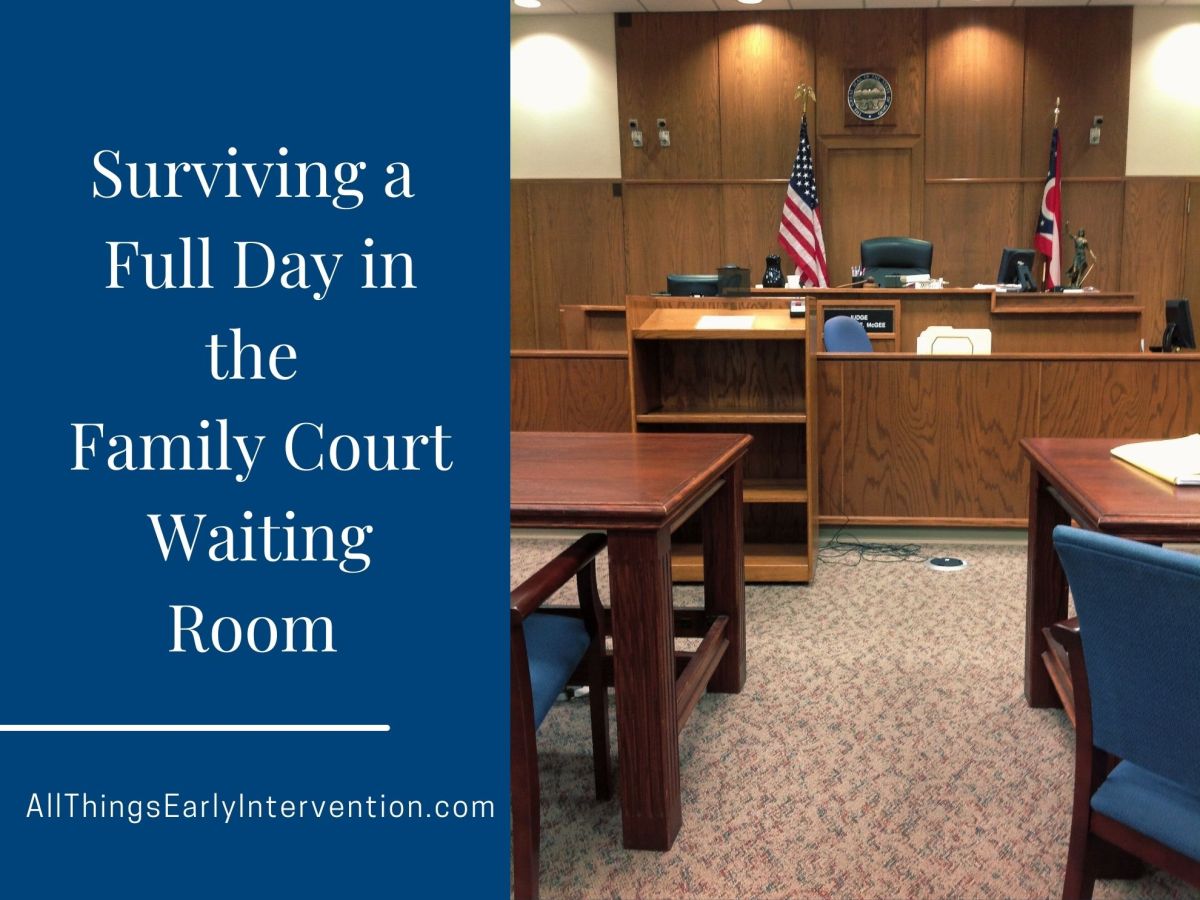
Surviving A Full Day in the Family Court Waiting Room
Going to court as a foster parent can feel incredibly daunting. The atmosphere is often tense, and the stakes are impossibly high: a child’s entire future hangs in the balance. We know our input is crucial for the judge to make informed decisions, yet the sheer process of getting our two minutes of testimony can…
Keep reading
Balancing the Needs of Biological and Foster Children
When we first announced our intention to become foster parents, the response wasn’t a universal chorus of support. While friends and family knew our hearts, several expressed a deep, lingering concern: “What about your own children? How will this experience affect them?” It was a fair question, one that sat heavy on our minds as…
Keep readingSensory Strategy: Weighted Lap Pad
Doing Life with a 4-year old Sensory Seeker: The Power of Weighted Tools As I have mentioned before, our 4 year old foster son was a sensory seeker. All day. Everyday. One of the most challenging environments for our foster son was, surprisingly, the car seat. When he became unregulated in the car, his movements…
Keep reading
No Is Not A Dirty Word
Don’t be afraid of the word “no.” Use it as a clear, loving boundary to keep your students safe and help them grow into resilient, emotionally intelligent little people.
Keep reading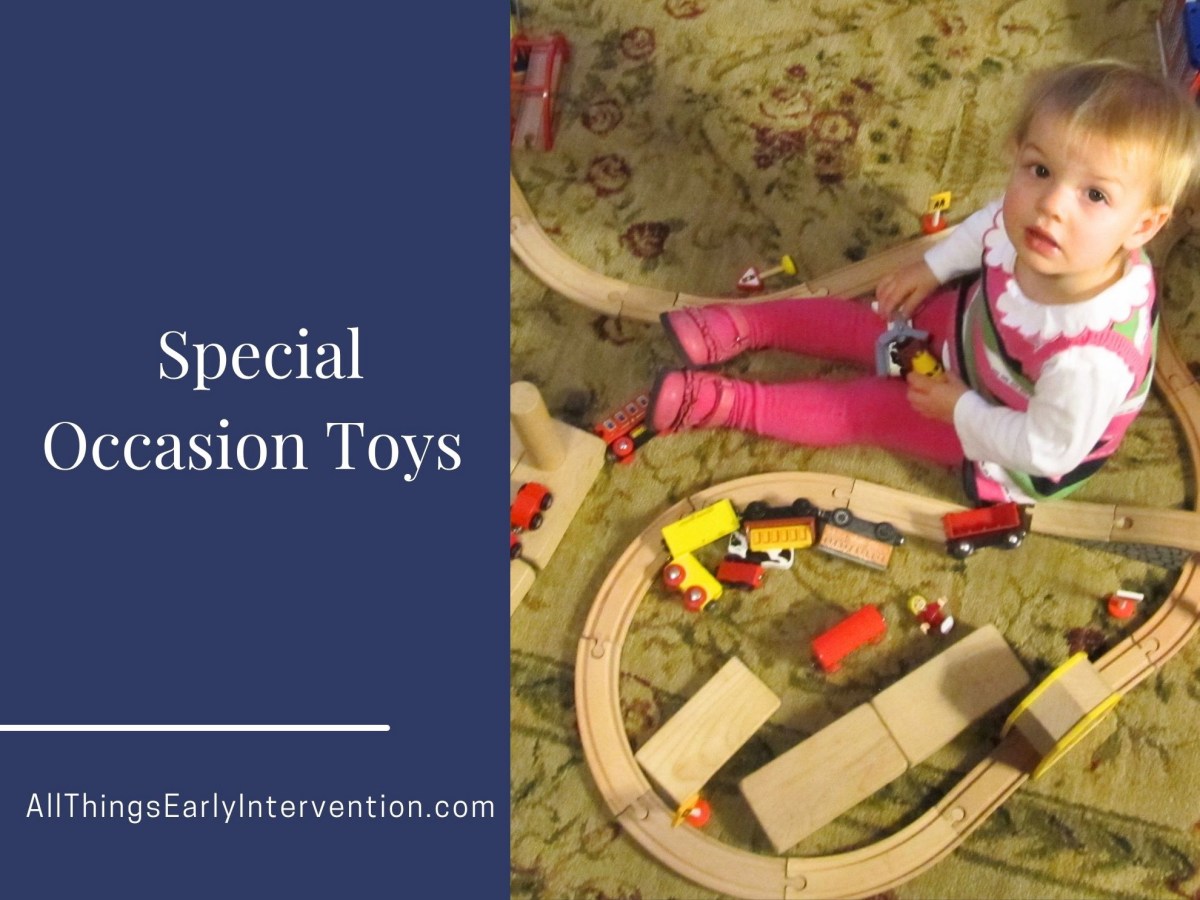
Special Occasion Toys
If a child sees the same toy every single day, their brain eventually tunes it out and stops paying attention to it. However, research shows that if you “rest” a toy by hiding it for a while, the child will be super excited to see it again when you finally bring it back.
Keep reading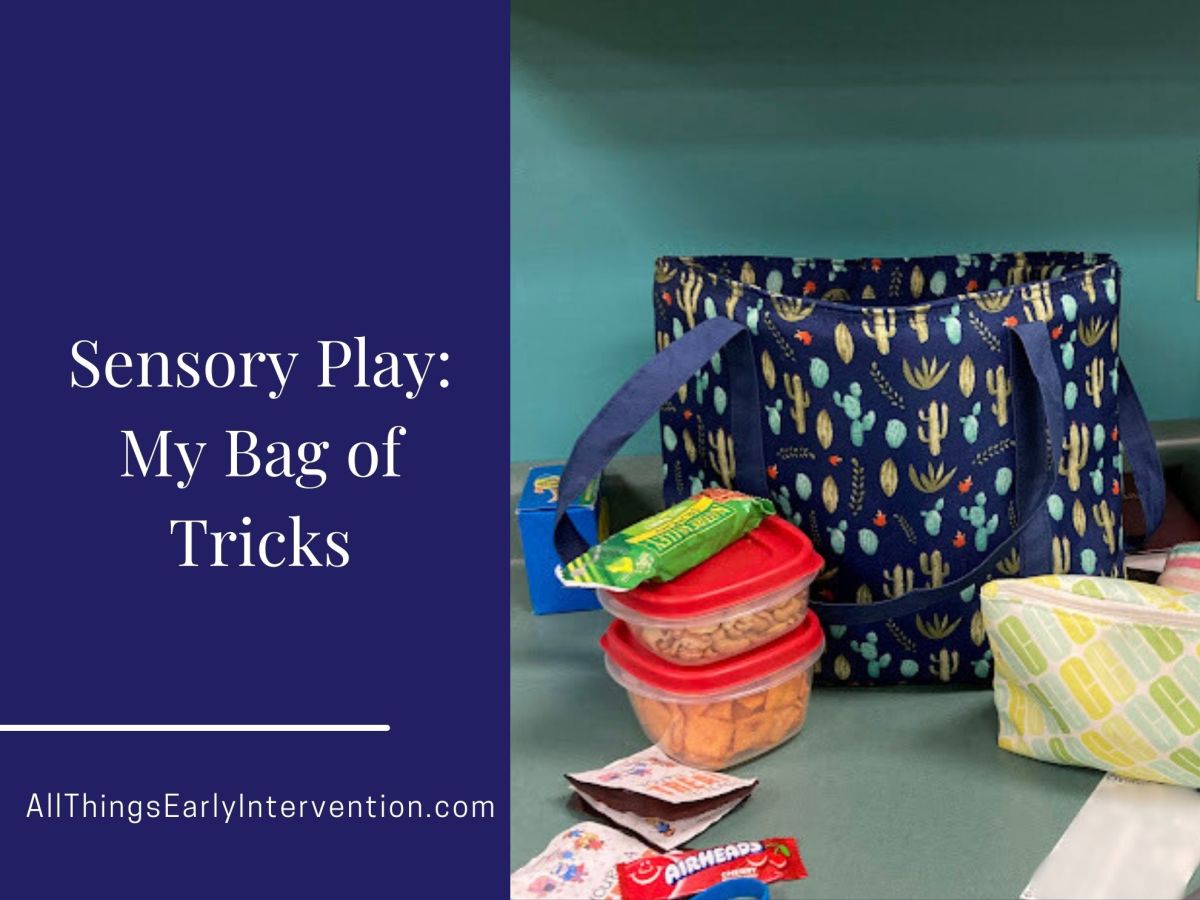
DIY Bag of Tricks for Sensory Input
Car rides were a particular struggle. Over time, we found that giving his hands a “something to do” made these moments of stillness much easier. We developed what we called our “Bag of Tricks”—an old cosmetic zipper pouch filled with a rotating selection of toys to keep him engaged.
Keep reading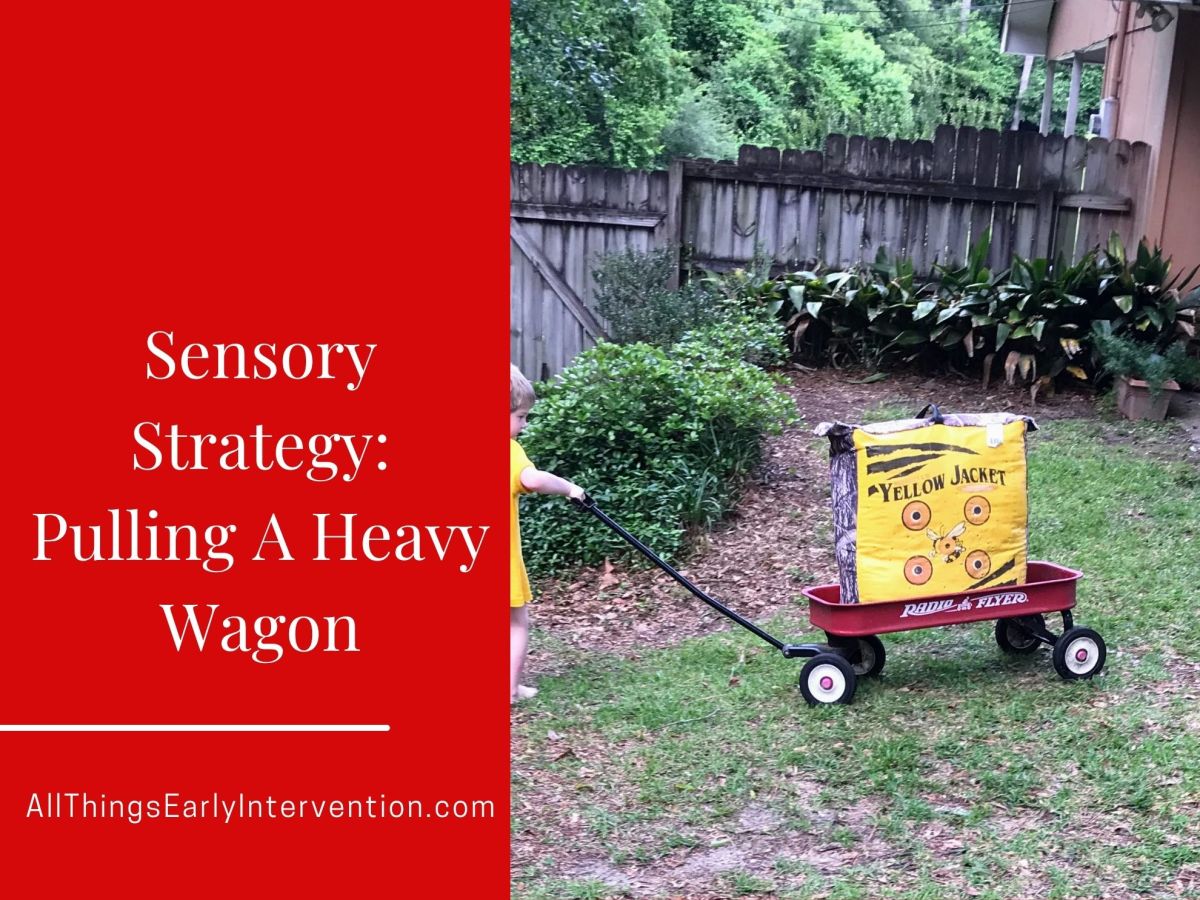
Sensory Strategy: Pulling A Heavy Wagon
By the third or fourth trip, he was no longer waiting for us to ask. He was seeking out the wagon on his own. Pulling that massive weight seemed to wear out the “chaos” in his system, leaving him noticeably more calm and agreeable afterward.
Keep reading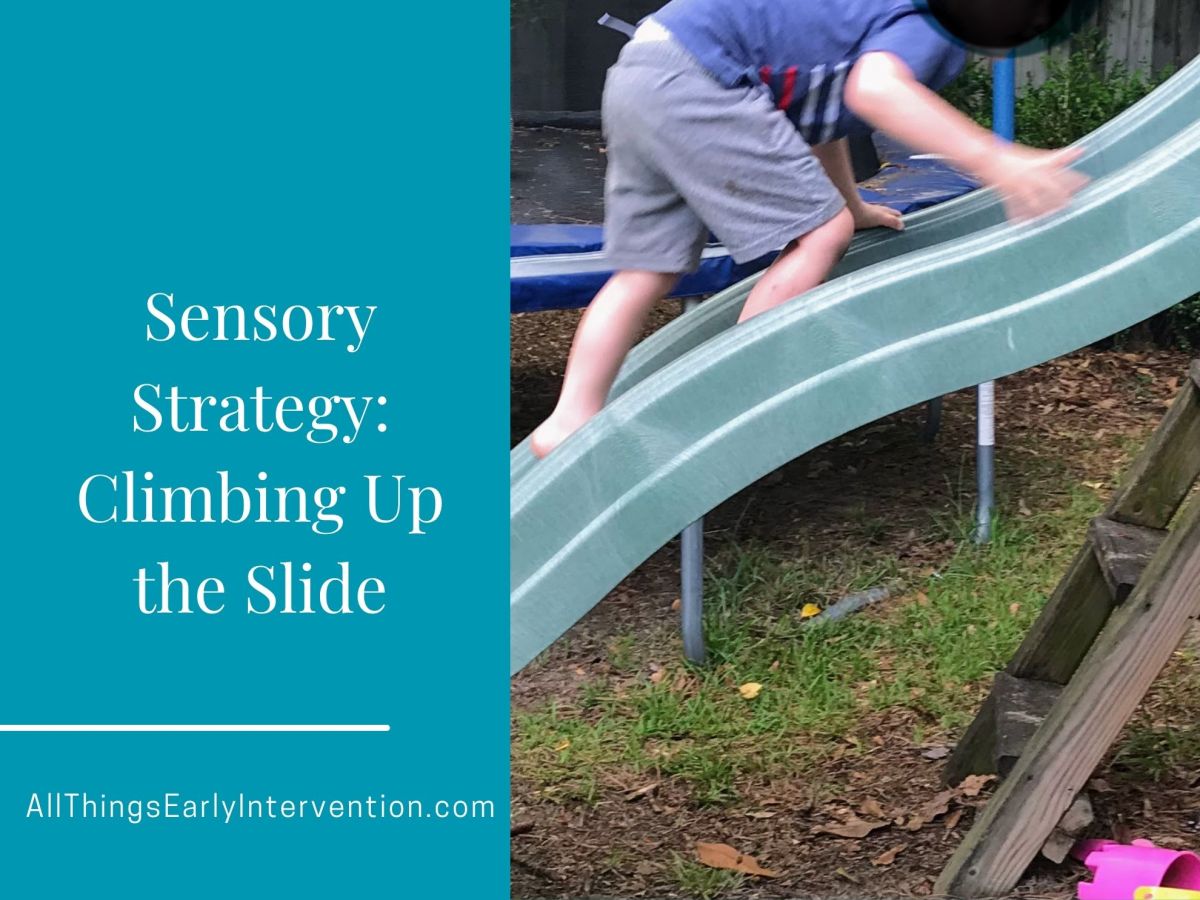
Sensory Strategy: Climbing Up The Slide
If you know a child who is a “sensory seeker” and needs intense input to feel regulated, climbing the slide can be a powerful tool for their development, provided it does not interfere with the safety or play of others.
Keep reading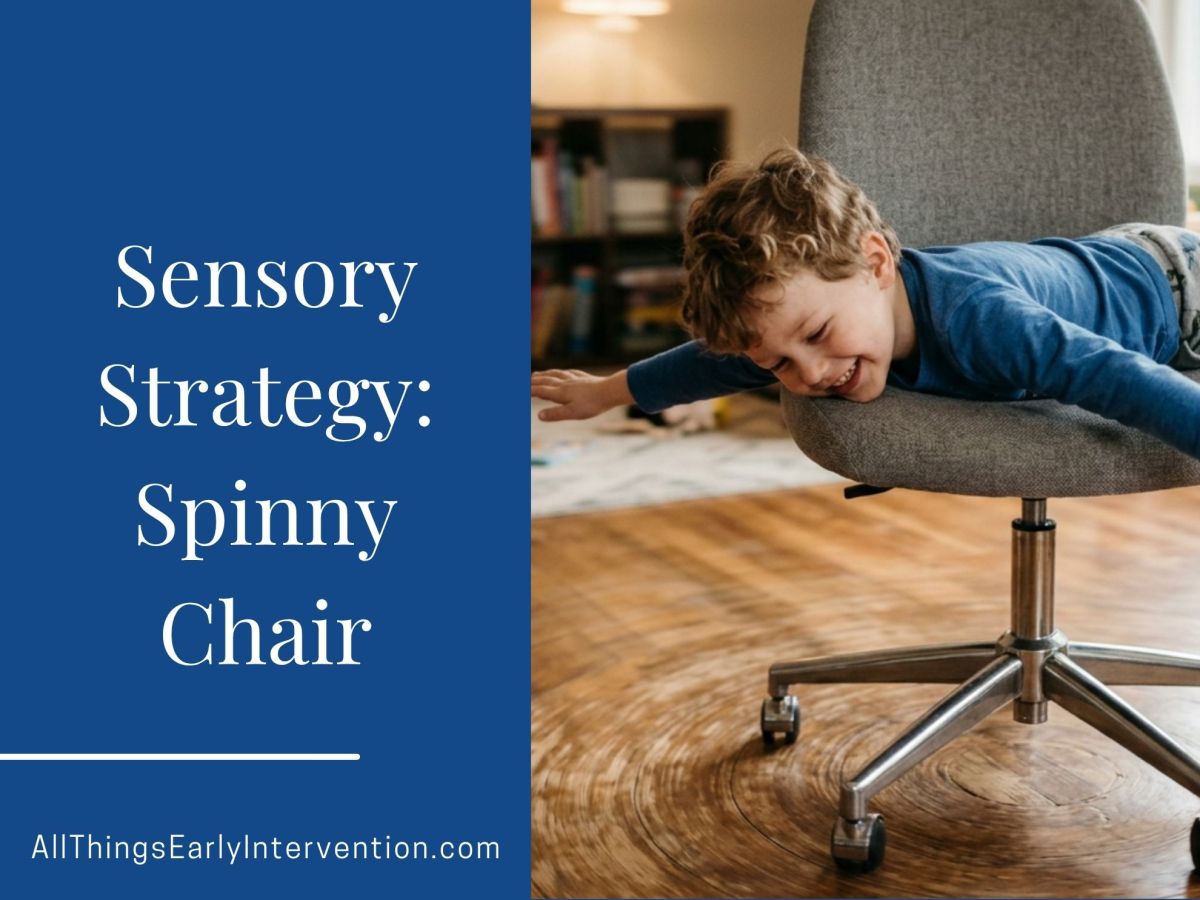
Sensory Strategies: Spinning Chair
If you work with children who seem to be constantly seeking movement, you don’t always need specialized therapy equipment. You can include vestibular input in daily play using what you have:
Keep reading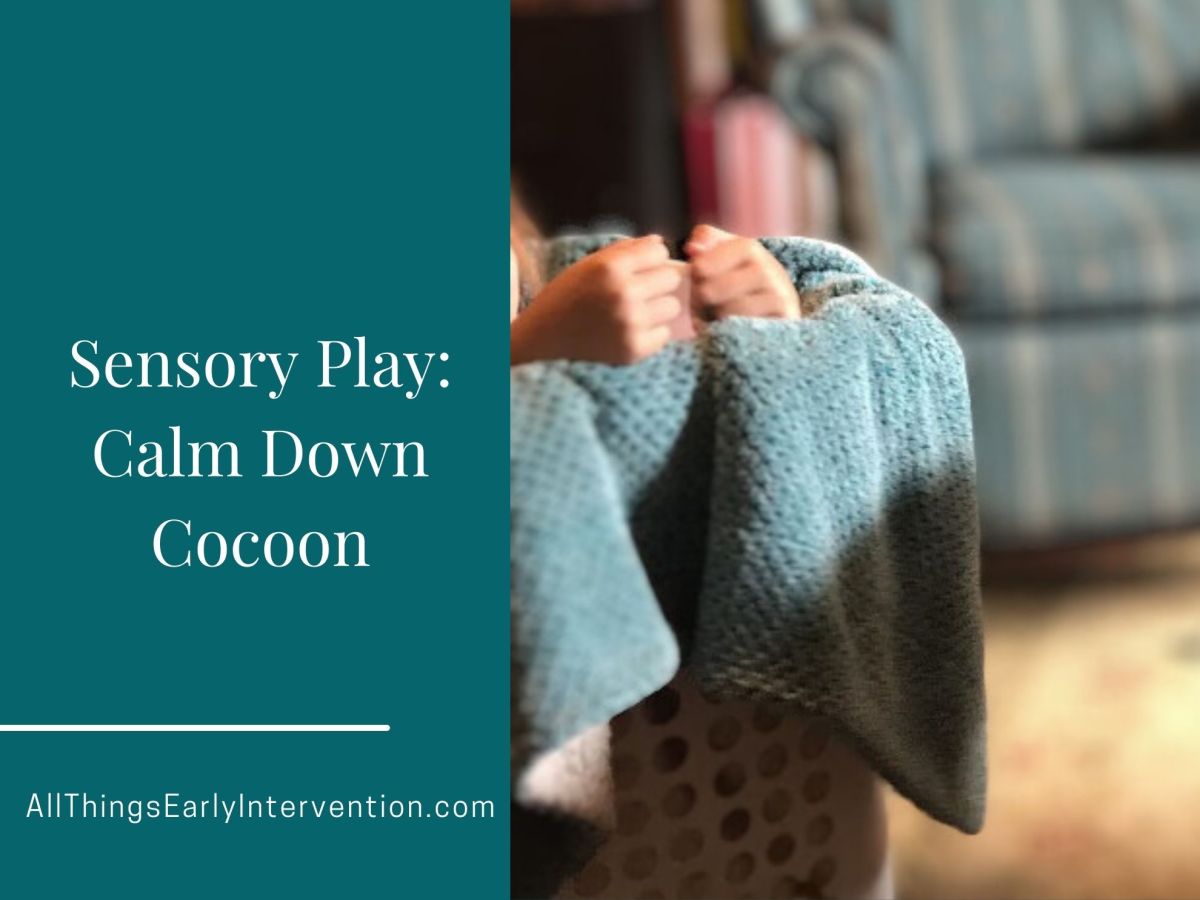
Sensory Strategy: The Calm Down Cocoon
Combining this pressure with an enclosed space adds another layer of benefit. For children who struggle with body awareness or proprioception—the sense of where their body is in space—a small, contained area like a laundry basket or a box provides clear physical boundaries. This “mini-sensory room” helps the brain process where the body ends and…
Keep reading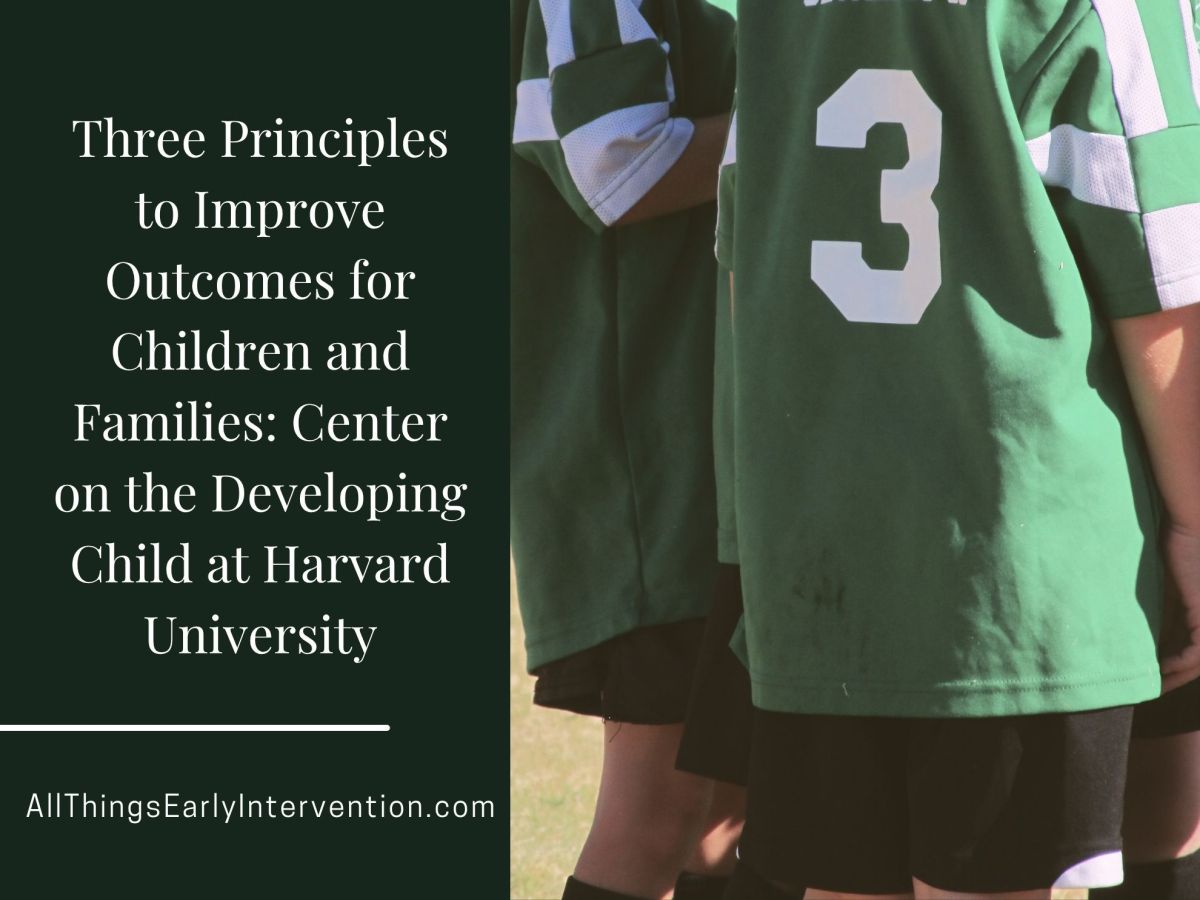
Three Principles to Improve Outcomes for Children and Families from the Center on the Developing Child at Harvard University
When we sit on a living room floor and coach a parent on how to engage in “serve and return” play, we are supporting responsive relationships. When we help a family establish routines or break down big developmental goals into small, manageable steps, we are strengthening core skills. And perhaps most importantly, by being…
Keep reading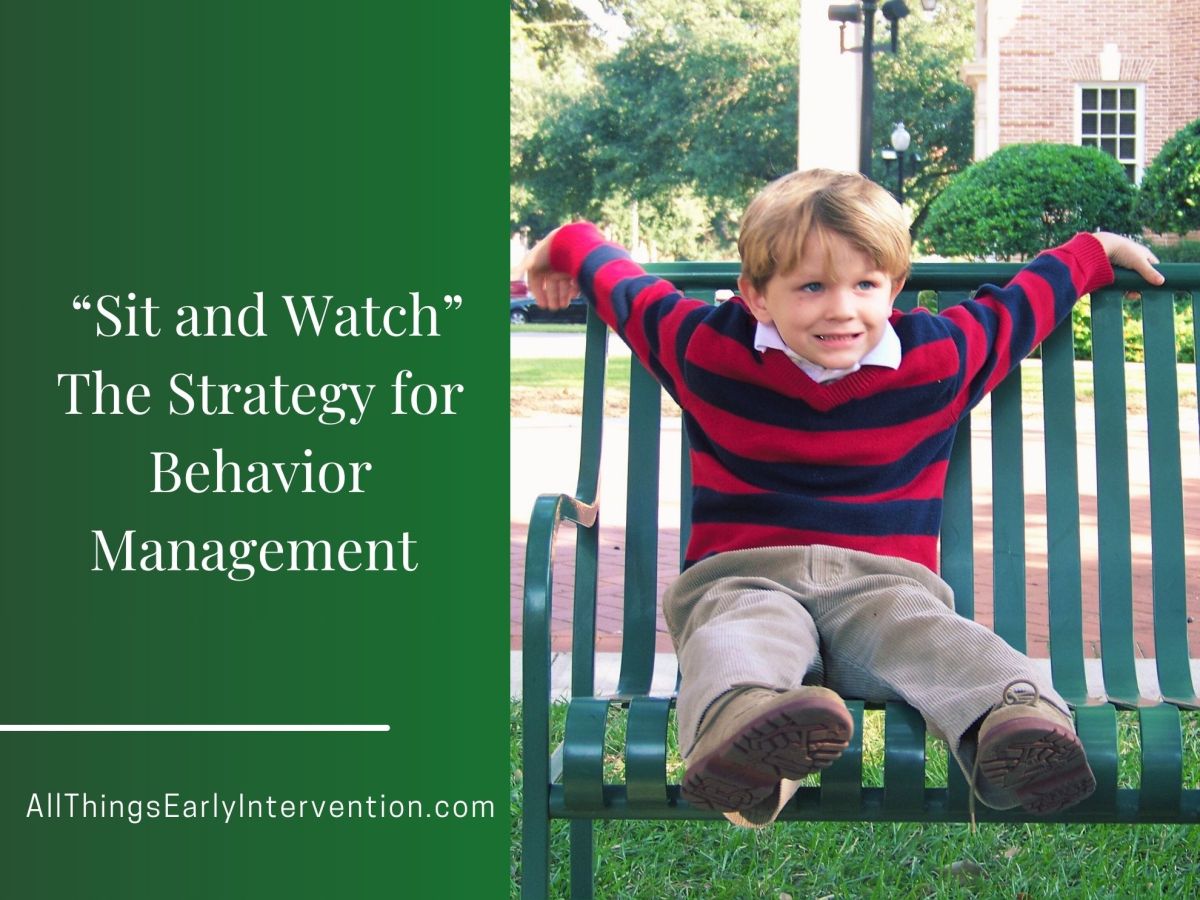
The Sit and Watch Procedure for Behavior Management
I’ve been fortunate enough to attend several conferences where Dr. Robin McWilliam shared his insights on early intervention and child development. At one session, he discussed a technique called the “Sit and Watch” procedure, designed for preschool settings. The concept immediately resonated with me. For years, I mentioned this strategy to parents and teachers, but…
Keep reading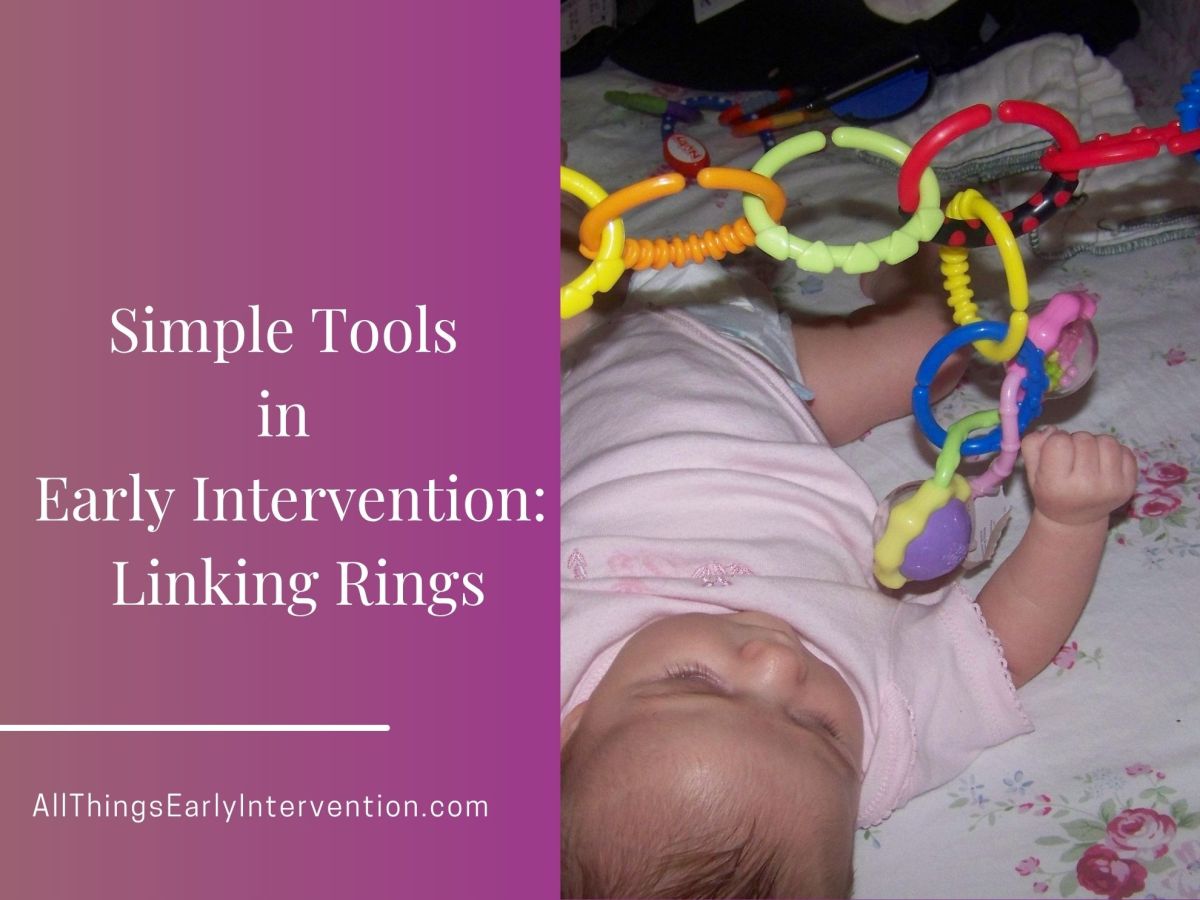
Simple Tools in Early Intervention: Linking Rings
Linking rings really are the unsung heroes of on-the-go parenting, serving double duty as a useful parenting tool and as a open-ended toy for early intervention.
Keep reading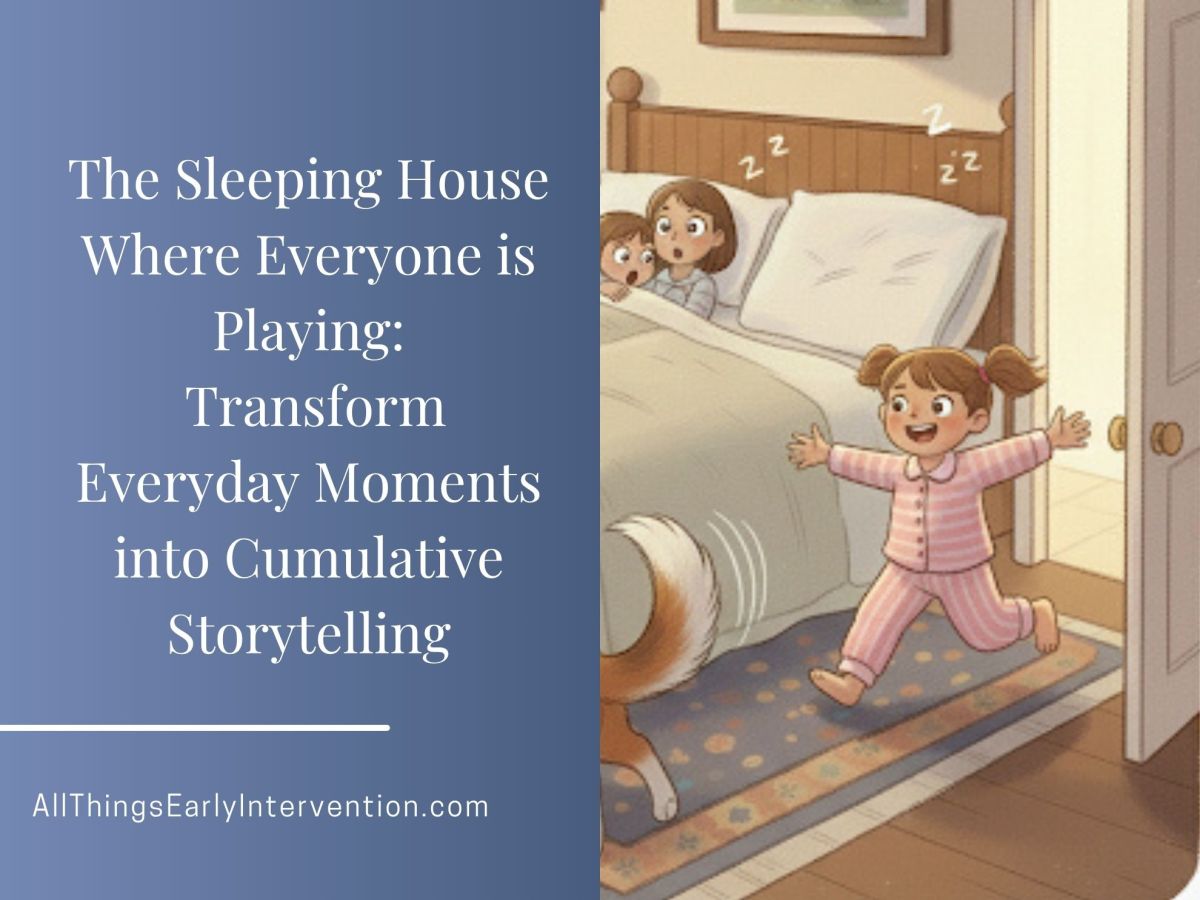
Transform Everyday Moments into Cumulative Storytelling
As an early childhood educator, I have always loved the sweet rhythm and pace of Audrey Wood’s The Napping House. This story is based on a true Saturday morning at our home. While it started with everyone cozy and dreaming, a single wagging tail set off a chain reaction that brought our “sleeping house” to…
Keep reading
Family Playtime
Building a strong, loving family bond doesn’t require elaborate vacations; it starts with simple, positive activities and intentional time spent together. Whether you are looking to boost your child’s development or simply reduce household stress, establishing a regular family game night or dinner tradition can make an almost instant difference.
Keep reading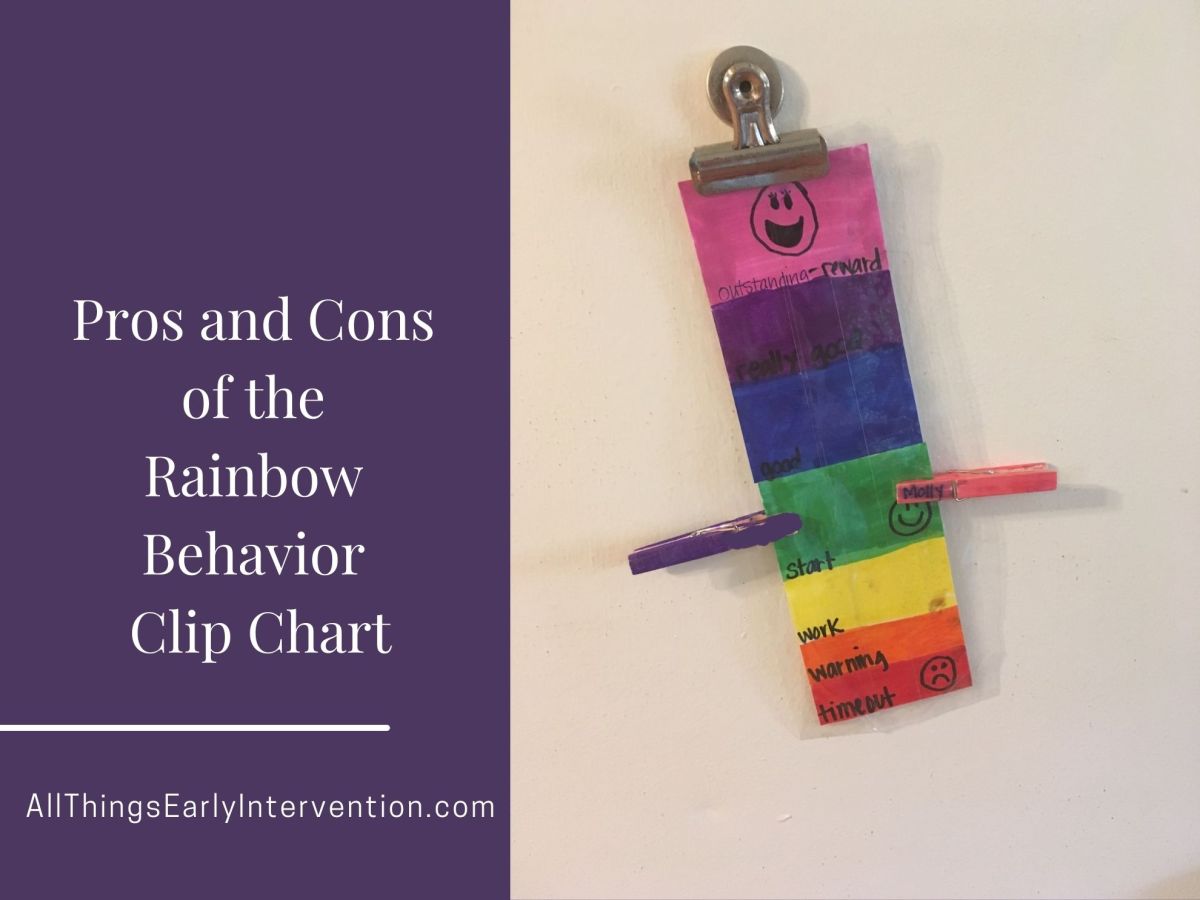
Behavior Charts: Pros and Cons
When I was in school, the system for managing behavior was simple, if harsh: write your name on the chalkboard, and check marks and a possible paddling would follow. Later, when I became a mother, my child’s kindergarten classroom (as well as everyone else’s) employed a color-coded traffic light chart. Everyone seemed to love this…
Keep readingSomething went wrong. Please refresh the page and/or try again.

