
Doing Life with a 4-year old Sensory Seeker: The Power of Weighted Tools As I have mentioned before, our 4 year old foster son was a sensory seeker. All day. Everyday. One of the most challenging environments for our foster son was, surprisingly, the car seat. When he became unregulated in the car, his movements […]
Category: Sensory Strategies
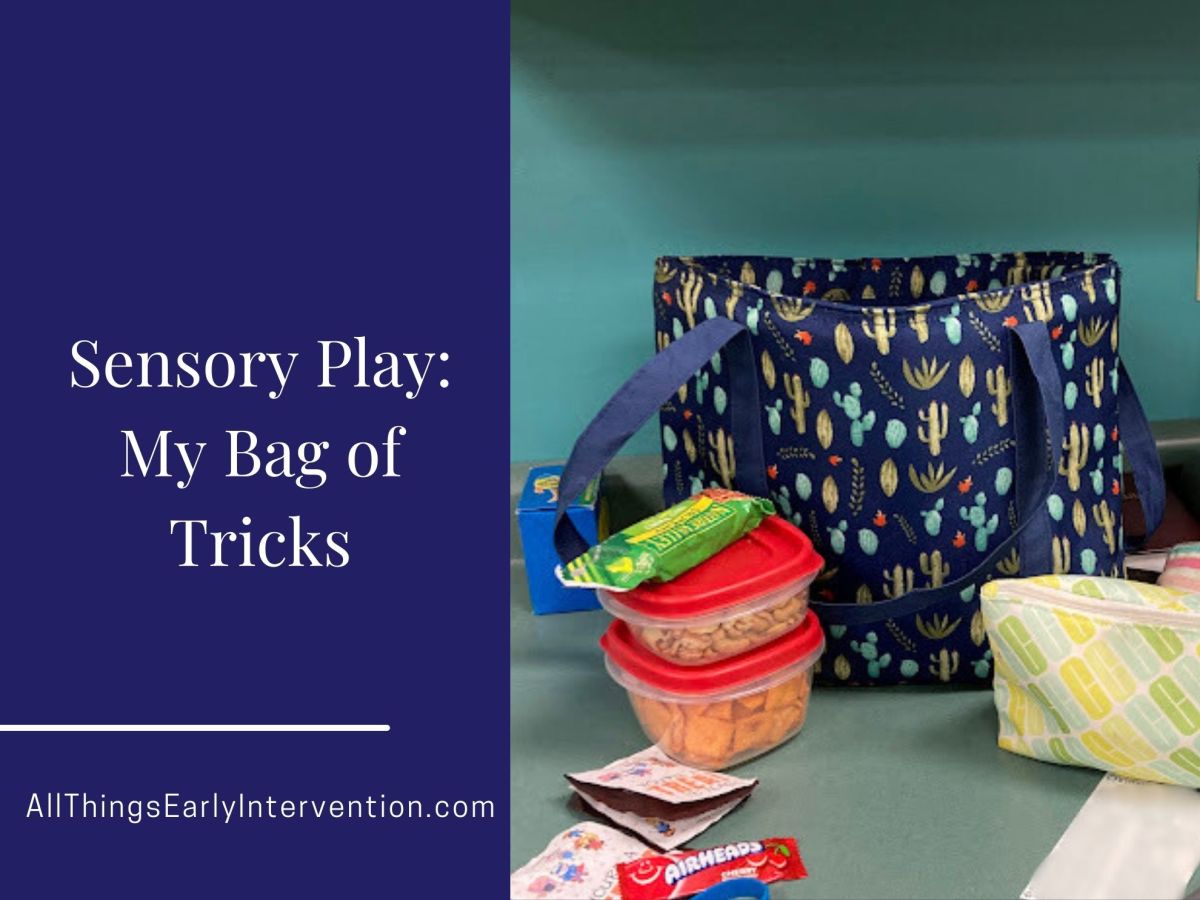
Car rides were a particular struggle. Over time, we found that giving his hands a “something to do” made these moments of stillness much easier. We developed what we called our “Bag of Tricks”—an old cosmetic zipper pouch filled with a rotating selection of toys to keep him engaged.
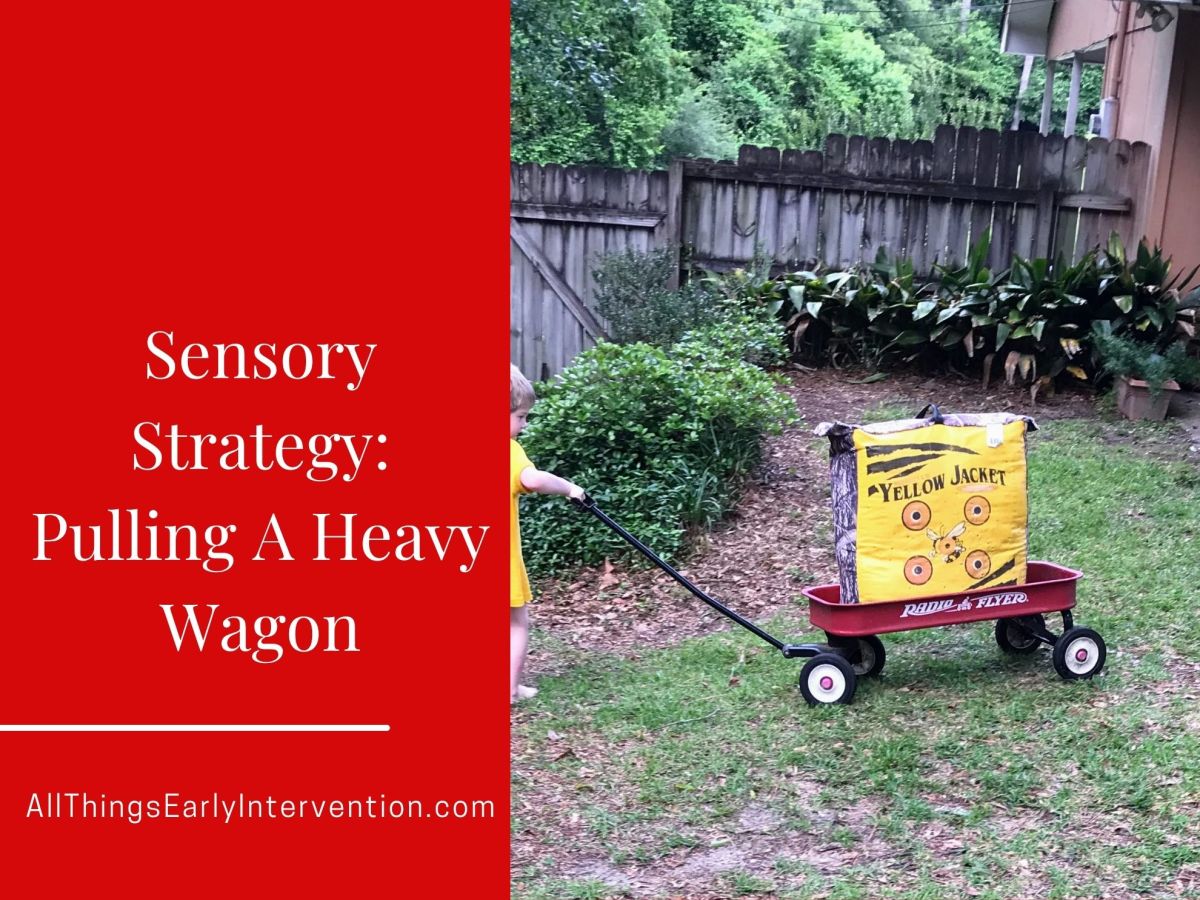
By the third or fourth trip, he was no longer waiting for us to ask. He was seeking out the wagon on his own. Pulling that massive weight seemed to wear out the “chaos” in his system, leaving him noticeably more calm and agreeable afterward.
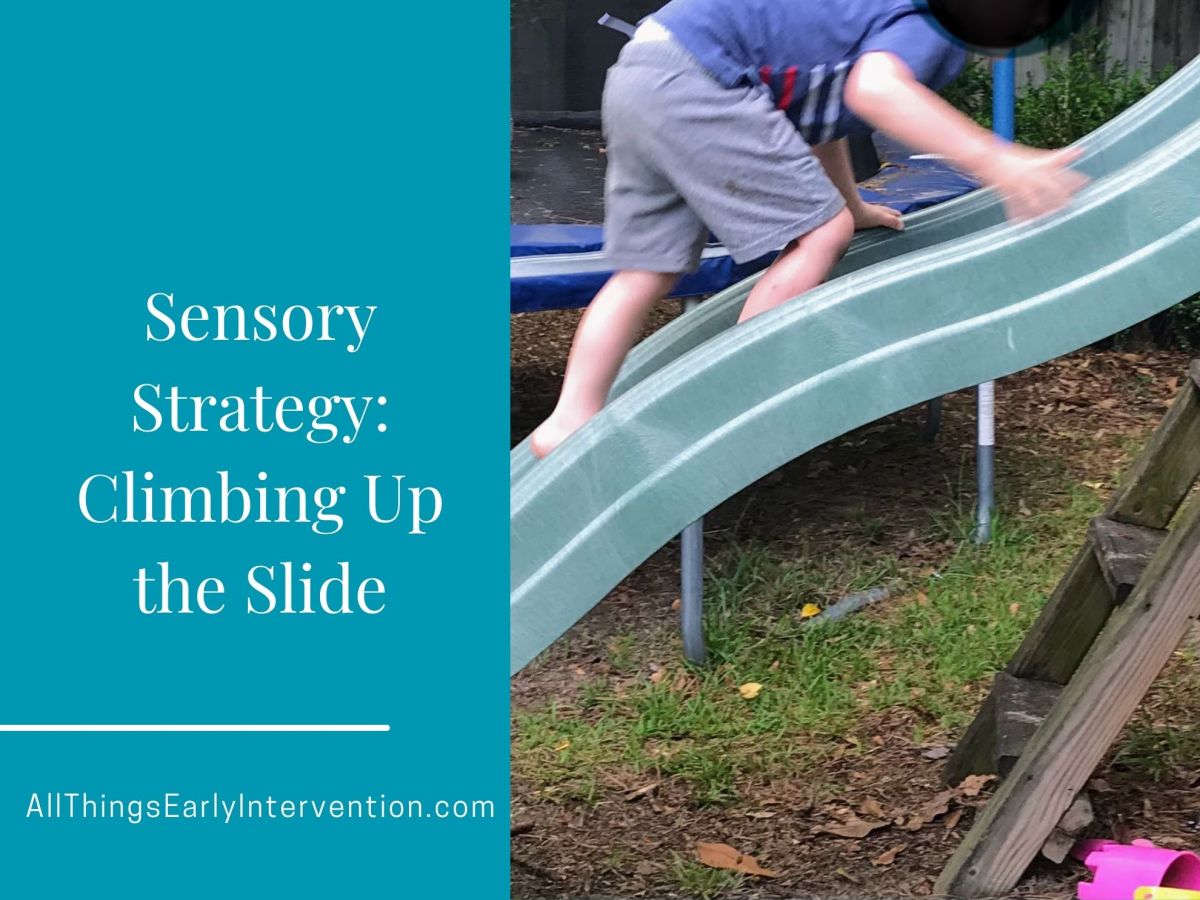
If you know a child who is a “sensory seeker” and needs intense input to feel regulated, climbing the slide can be a powerful tool for their development, provided it does not interfere with the safety or play of others.
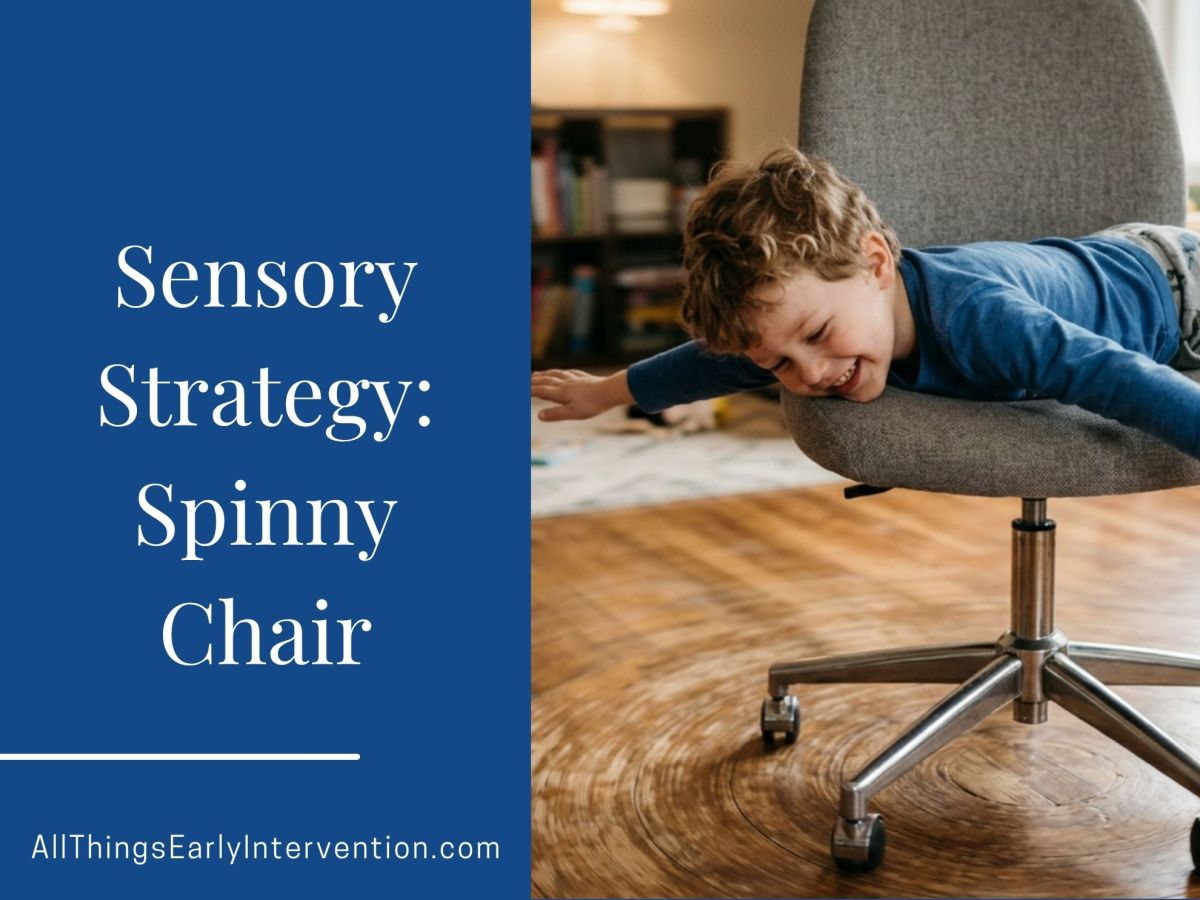
If you work with children who seem to be constantly seeking movement, you don’t always need specialized therapy equipment. You can include vestibular input in daily play using what you have:
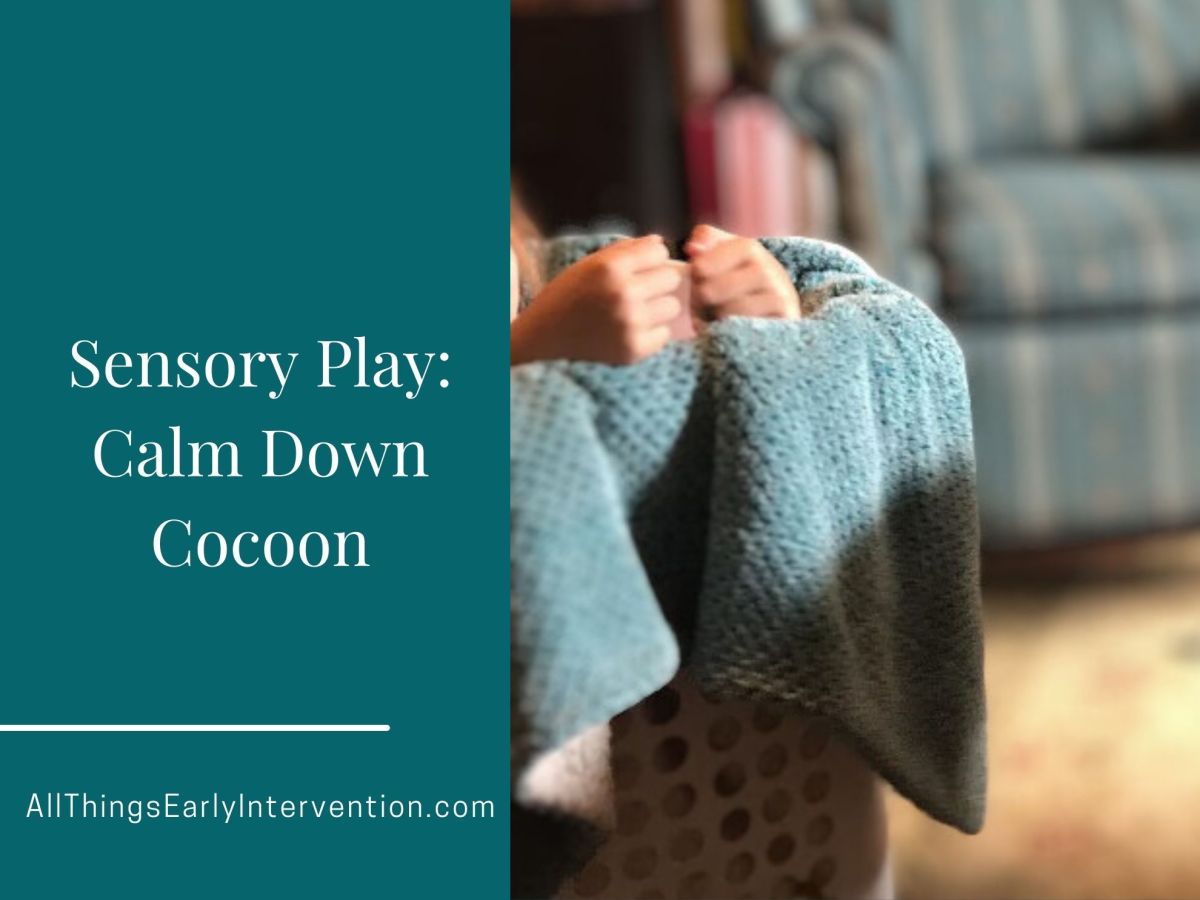
Combining this pressure with an enclosed space adds another layer of benefit. For children who struggle with body awareness or proprioception—the sense of where their body is in space—a small, contained area like a laundry basket or a box provides clear physical boundaries. This “mini-sensory room” helps the brain process where the body ends and the rest of the world begins, which can significantly lower a child’s state of arousal and reduce anxiety.
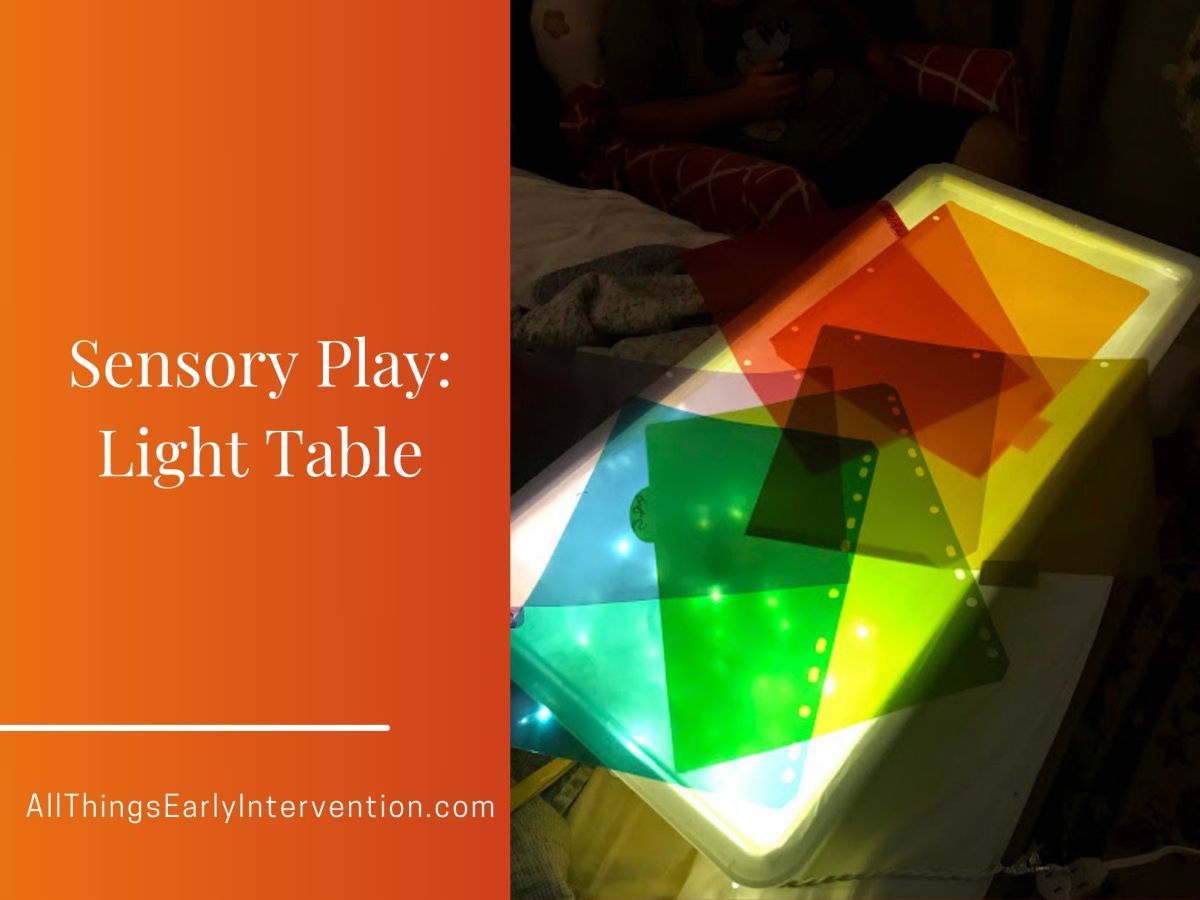
A DIY Light Table for Sensory Seekers I know what it feels like to be out of ideas. When our foster son entered our lives, he was a vibrant, intense sensory seeker. He needed high-octane input, often chewing on non-food items, bumping, crashing, and constantly moving. He struggled to settle and focus on quiet activities. […]
It offered a fast, intense burst of movement followed by a moment of structured stillness. The older siblings could easily join in, and we could execute it anywhere—in a hallway, outside a restaurant, or even at the park—without needing any specialized equipment.
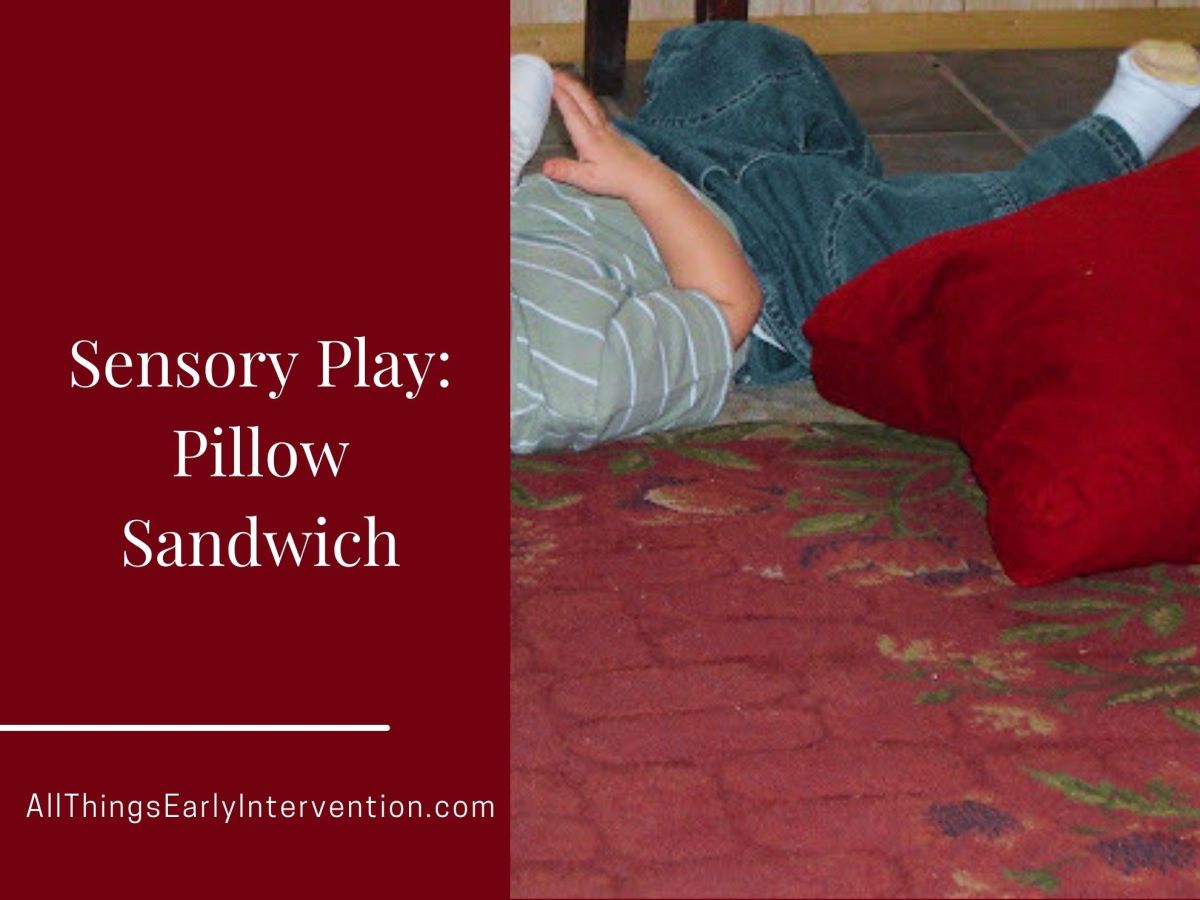
My foster child actively sought this deep pressure. When he was feeling over-excited, overwhelmed, or just needed a reset, he had a request: “Pillow Sandwich!” This was a simple, family-led intervention that provided therapeutic compression.
Categories
Sensory Play: Stretchy Bands
For a sensory-seeking child who is always looking for movement, if that movement comes in the form of a fun, voluntary activity—like using an elastic band to play with—that is an improvement.

