Categories
Early Intervention in Everyday Routines

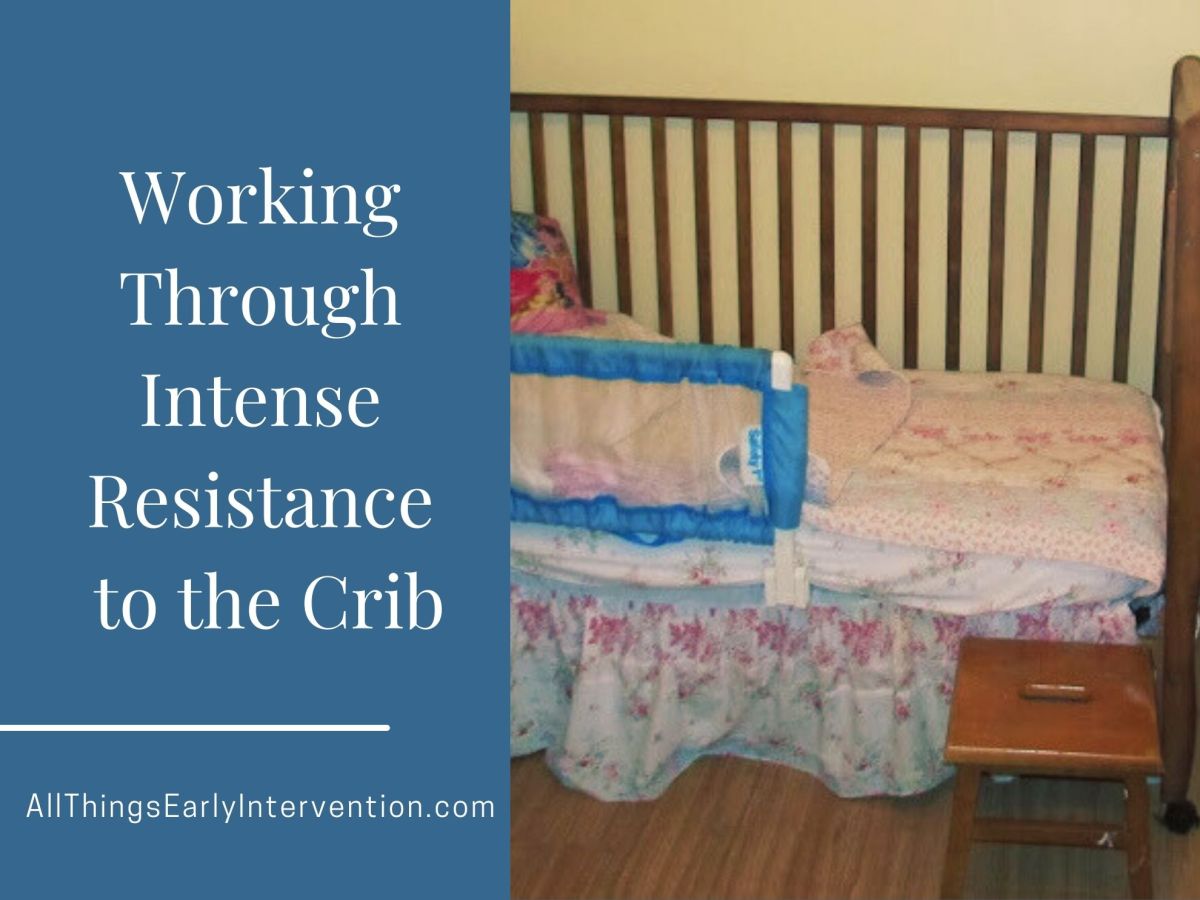
When Fighting Sleep Might Be a Trauma Response

I will never forget the first night of our first foster placement. The evening had been what I call “controlled chaos”—a whirlwind of new toys and new foods. Because he had been so quiet and observant, I felt we had done everything right to build rapport. But the moment I gently lowered him into the […]
Categories
Early Intervention in Everyday Routines

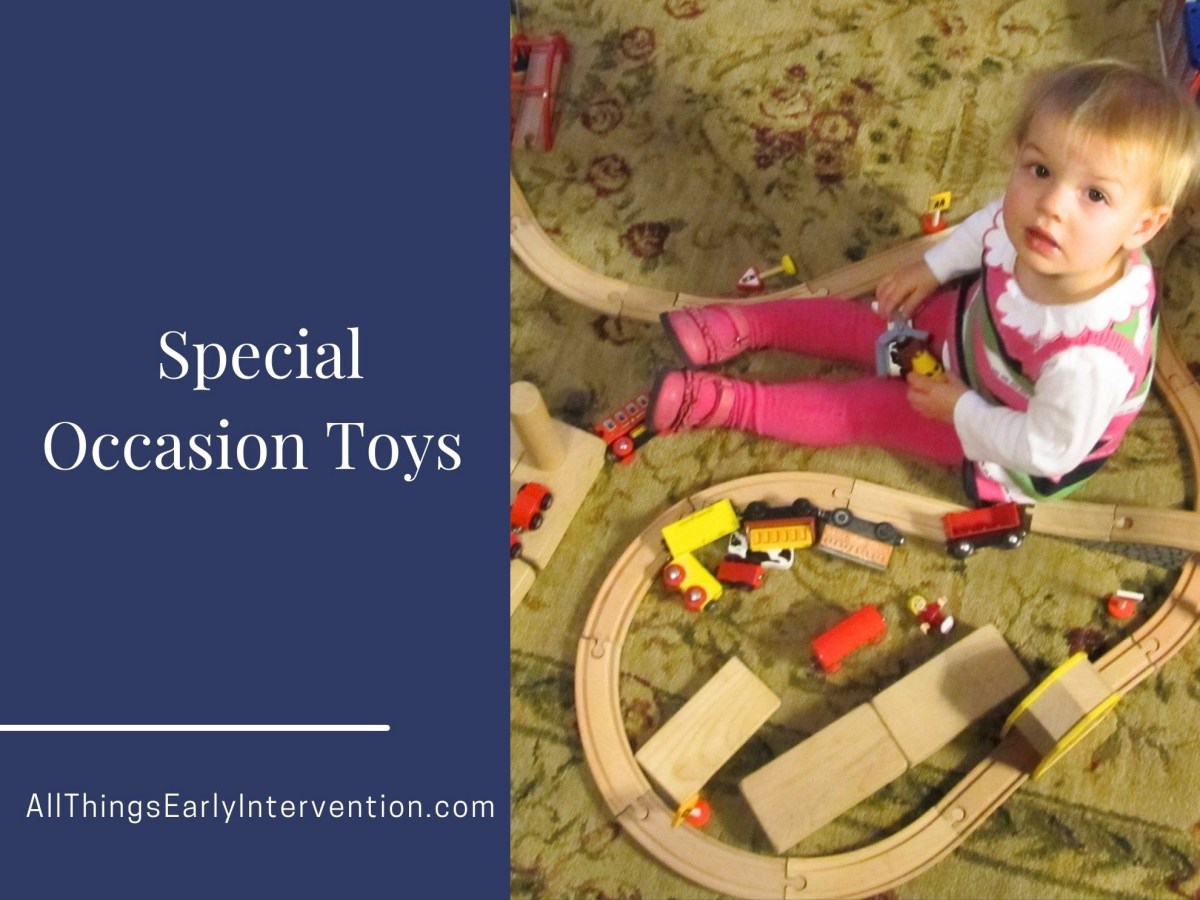
Special Occasion Toys

If a child sees the same toy every single day, their brain eventually tunes it out and stops paying attention to it. However, research shows that if you “rest” a toy by hiding it for a while, the child will be super excited to see it again when you finally bring it back.

Categories
Early Intervention in Everyday Routines Sensory Strategies

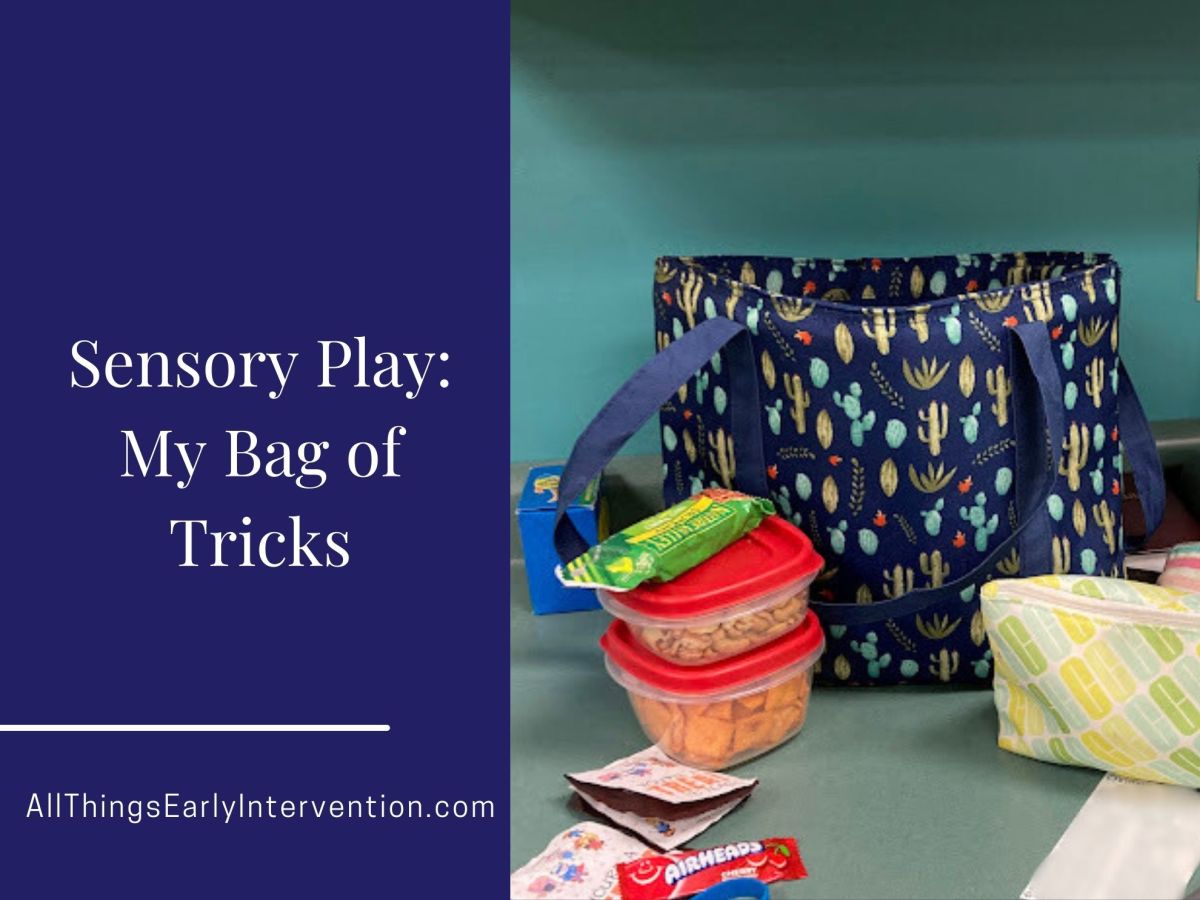
DIY Bag of Tricks for Sensory Input

Car rides were a particular struggle. Over time, we found that giving his hands a “something to do” made these moments of stillness much easier. We developed what we called our “Bag of Tricks”—an old cosmetic zipper pouch filled with a rotating selection of toys to keep him engaged.

Categories
Early Intervention in Everyday Routines

Haircut Tips for Little Boys Part 2: Autism

Instead of forcing him to “sit still,” I shifted the entire experience to meet him where he was. Here is the step-by-step strategy we used to turn a something that caused a violent meltdown into a manageable routine:

Categories
Early Intervention in Everyday Routines Foster Parenting

What a Ketchup and Mayonnaise Sandwich Taught Me about Early Intervention

She pointed to the ketchup. Okay, —a bit strange, but whatever brings comfort. Then she pointed to the mayonnaise.

Ketchup. Mayonnaise. On white bread.
This is where my inner dialogue—screamed, No, that’s gross. I draw the line.

Categories
Early Intervention in Everyday Routines Sensory Strategies

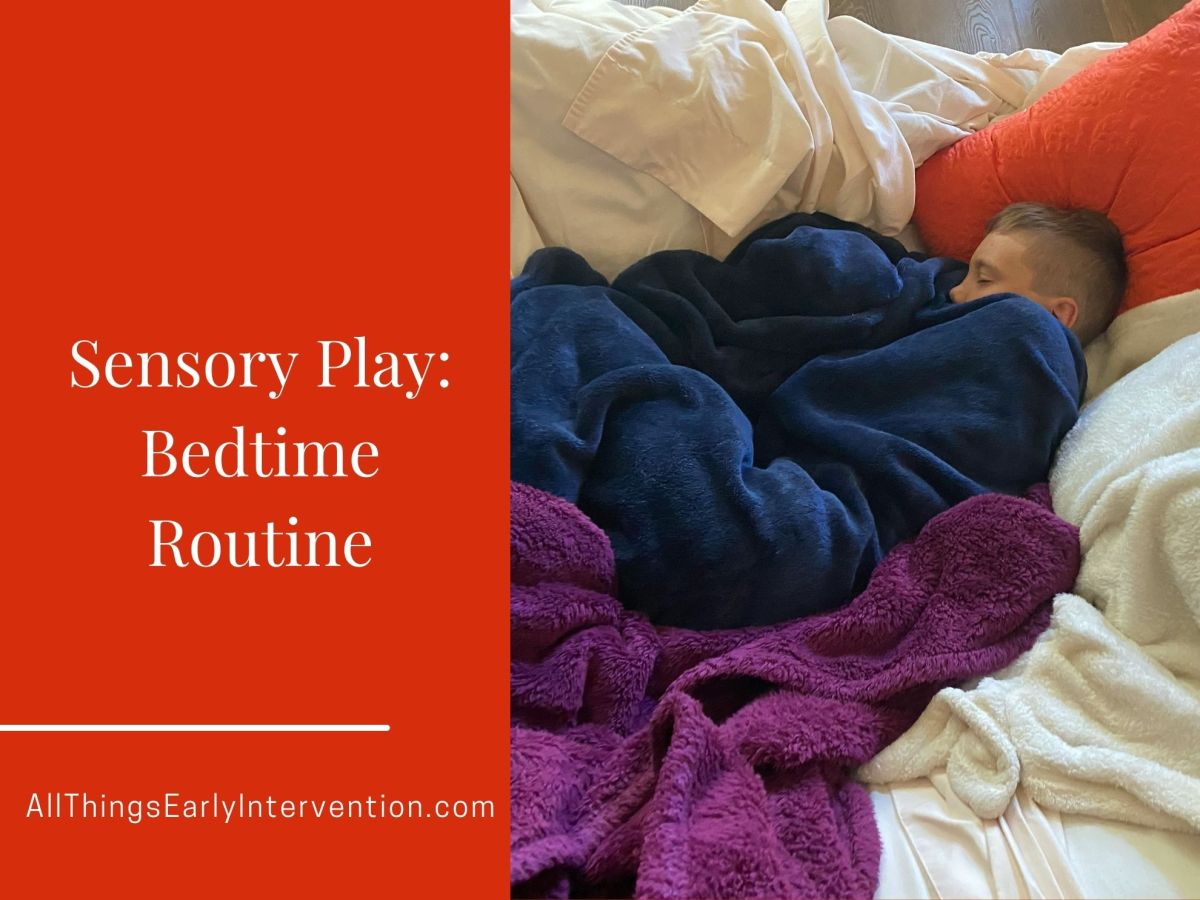
Sensory Play: Bedtime Routine Part 2

Creating a peaceful bedtime routine for a child with sensory processing challenges takes time, patience, and experimentation. By understanding your child’s unique needs and incorporating sensory strategies, you can create a bedtime routine that promotes relaxation and sleep for everyone.

Categories
Early Intervention in Everyday Routines

Sensory Seeker Bedtime Routine Part 1

We know that children with ASD experience sleep issues and challenging behaviors. Parents then experience stress, and then parent’s stress can worsen a child’s behavior problems. Therefore, effective stress management becomes a critical for both parent and child’s well-being.

Categories
Challenging Behavior Early Intervention in Everyday Routines

Escaping the Car Seat: What Worked for Us

The most important lesson I learned is that prevention is key. When your child is actively escaping their car seat while you’re driving, you’re helpless. Focus on creating an environment that minimizes the likelihood of escape.

Categories
DIY Play Things Early Intervention in Everyday Routines

Using A Cardboard Box to Support Sensory Needs On the Go

The cardboard box solution, a simple early intervention strategy, addressed several of his sensory needs and made a challenging situation much more manageable. It also underscores the many benefits of cardboard box play for children in general.

Categories
Challenging Behavior Early Intervention in Everyday Routines

How We Used A Social Story To Prevent Drive Thru Meltdowns

While it wasn’t an overnight success, the social story proved to be a game-changer. Equipped with a road map for what to expect, our son was able to navigate the drive-thru experience with newfound calm.