Don’t be afraid of the word “no.” Use it as a clear, loving boundary to keep your students safe and help them grow into resilient, emotionally intelligent little people.
Categories
No Is Not A Dirty Word
 All Things Early Intervention
Don’t be afraid of the word “no.” Use it as a clear, loving boundary to keep your students safe and help them grow into resilient, emotionally intelligent little people.
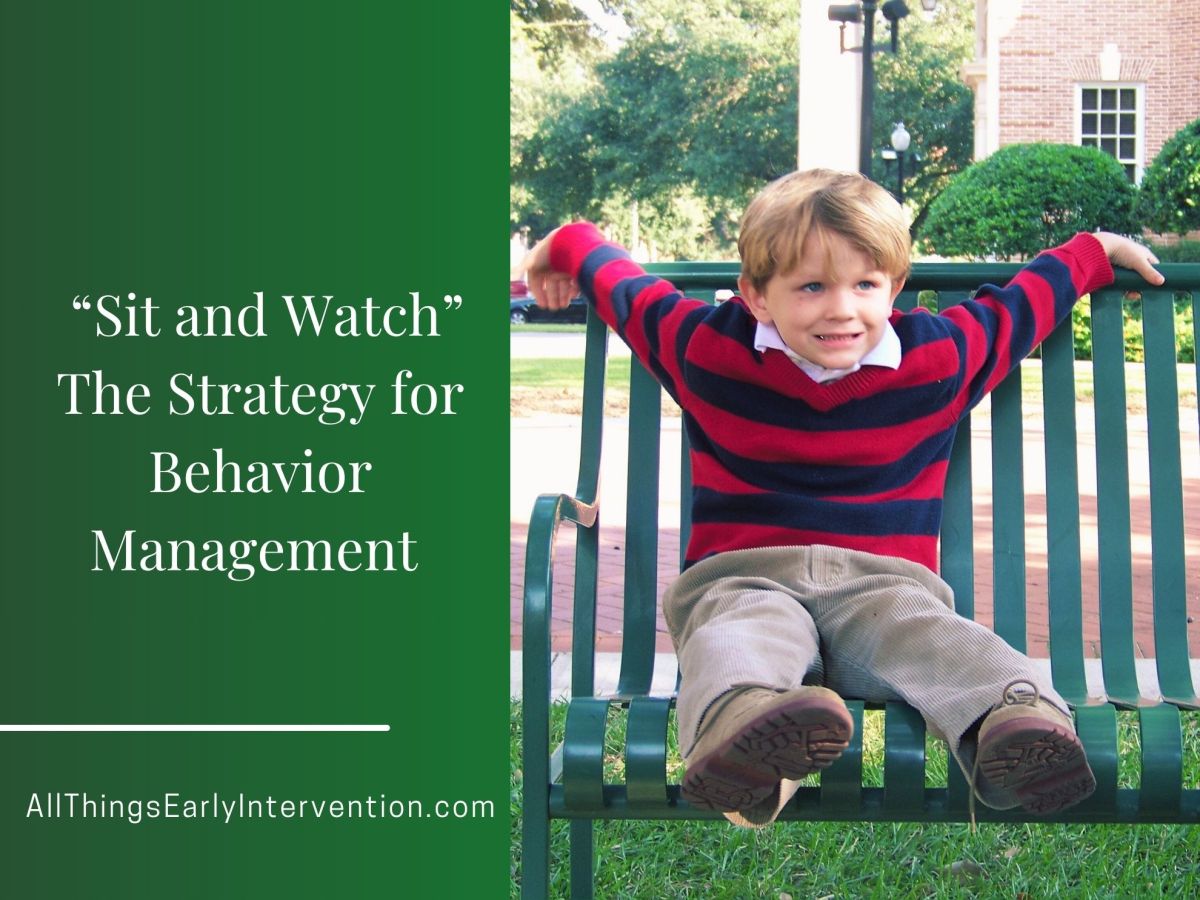
I’ve been fortunate enough to attend several conferences where Dr. Robin McWilliam shared his insights on early intervention and child development. At one session, he discussed a technique called the “Sit and Watch” procedure, designed for preschool settings. The concept immediately resonated with me. For years, I mentioned this strategy to parents and teachers, but […]
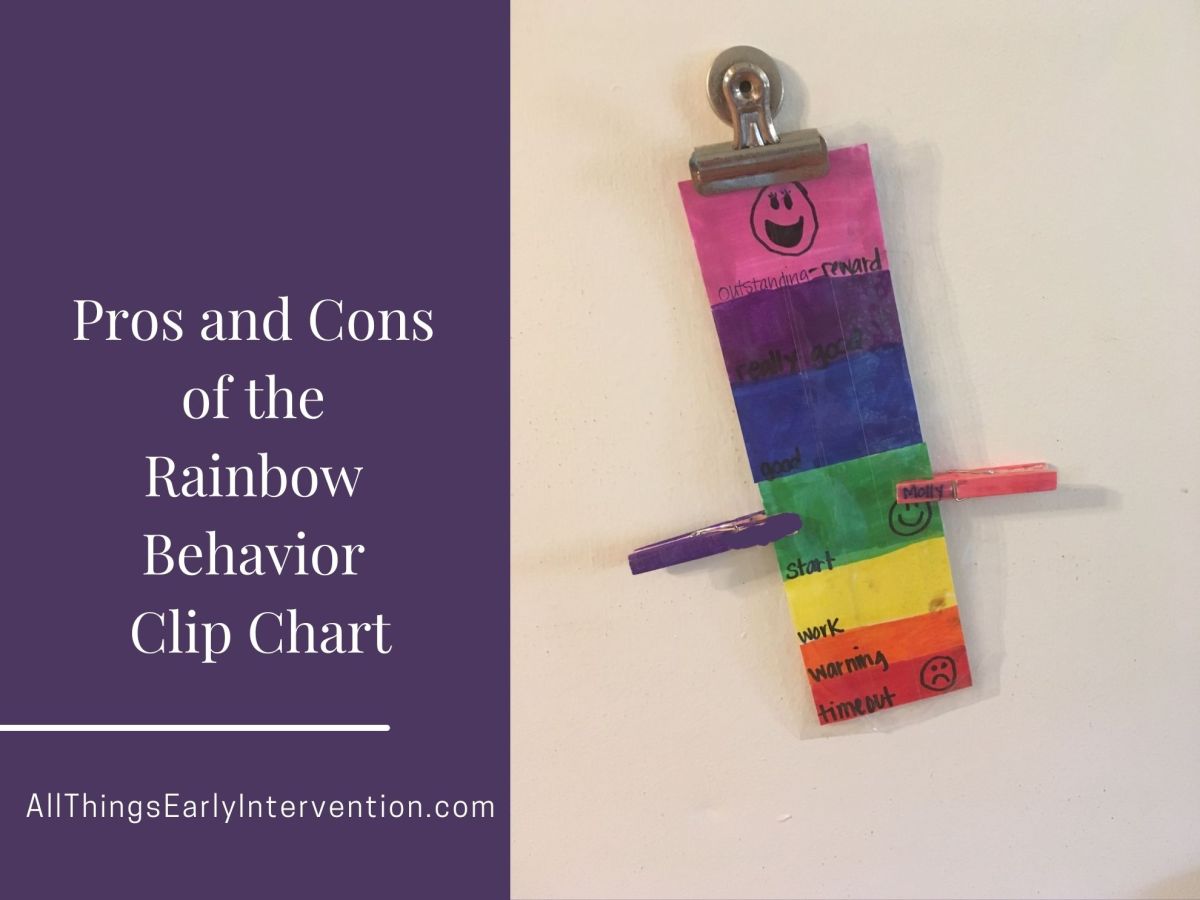
When I was in school, the system for managing behavior was simple, if harsh: write your name on the chalkboard, and check marks and a possible paddling would follow. Later, when I became a mother, my child’s kindergarten classroom (as well as everyone else’s) employed a color-coded traffic light chart. Everyone seemed to love this […]

If you are a working with young children with difficult behaviors, right away my piece of advice is simple: stop wasting your energy disciplining minor issues like “stay out of the fridge,” “don’t touch the garbage,” or “get down from there.”
That energy is better spent meeting the developmental needs and teaching appropriate behavior. In my family’s case we were trying to meet the emotional needs of all involved and learning how to be a new family.
It is important to clarify that a child with violent behavior due to neurological or sensory disorders is not intentionally abusing their parent. However, the emotional and psychological impact on the caregiver is strikingly similar to that of victims of intimate partner violence.
Some children just love to throw stuff, and it’s a powerful developmental drive. We don’t want to hurt people or break stuff, but constantly fighting a toddler with that impulse often leads to frustration for both the adult and the child.
Our immediate, instinct is to say, “Stop throwing stuff!” But what if we paused and changed that instruction. “Throw this, not that.”
As a teacher and foster parent, I have seen biting behaviors resolve through team-based plans and specific strategies. When these strategies were consistently in place, the biting behavior disappeared. I realized that adults often want the child to simply “stop,” but the most effective interventions begin by changing the environment to reduce triggers like stress, boredom, or competition.
There is no one-size-fits-all solution for a small child hurting himself. It’s a difficult situation but it can improve over time. Early Intervention providers working with families going through this need to remember to be supportive and encourage them to focus on one thing at a time one day at a time.

I cried after that session. Stressful situations profoundly affect a parent’s ability to think clearly. As professions, we must be aware of how our helpful information might land on sensitive parents. When parents are overwhelmed, even the most helpful advice can feel like a stinging accusation.
It took work on our part and on the part of our friends who saw us struggling and to whom we asked for help. We said we are lonely and they said we want to help you. Let’s fix it. Once we realized how to include more opportunities for friends, we felt more connected.
Have a WordPress.com account? Log in now.

