Don’t be afraid of the word “no.” Use it as a clear, loving boundary to keep your students safe and help them grow into resilient, emotionally intelligent little people.
Categories
No Is Not A Dirty Word
 All Things Early Intervention
Don’t be afraid of the word “no.” Use it as a clear, loving boundary to keep your students safe and help them grow into resilient, emotionally intelligent little people.

If you are a working with young children with difficult behaviors, right away my piece of advice is simple: stop wasting your energy disciplining minor issues like “stay out of the fridge,” “don’t touch the garbage,” or “get down from there.”
That energy is better spent meeting the developmental needs and teaching appropriate behavior. In my family’s case we were trying to meet the emotional needs of all involved and learning how to be a new family.
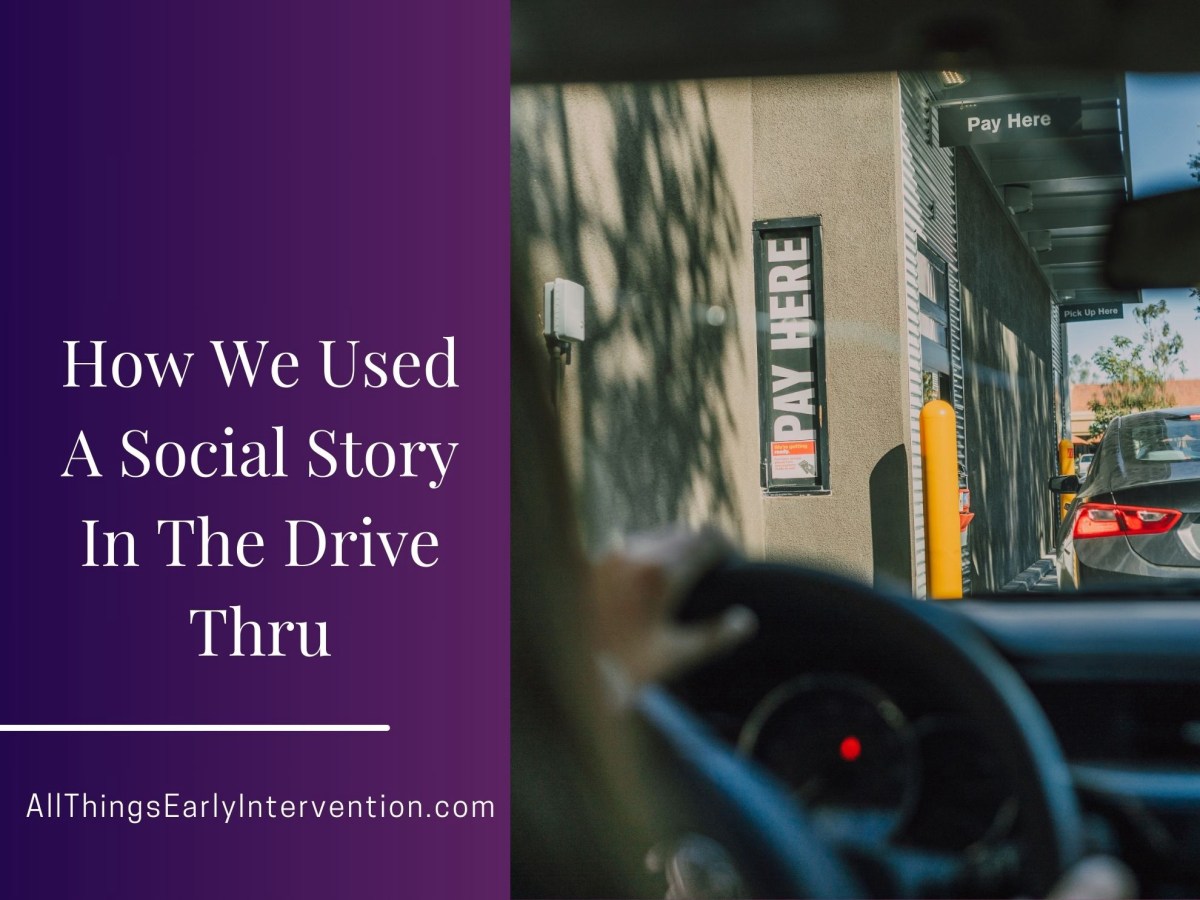
While it wasn’t an overnight success, the social story proved to be a game-changer. Equipped with a road map for what to expect, our son was able to navigate the drive-thru experience with newfound calm.

Being a foster parent to a child with behavioral challenges can be emotionally draining. By developing strategies for maintaining composure, you can have a clear head to make decisions to put into practice to maintain a positive environment for both yourself and the child.

This presentation is for teachers who teach in a Christian faith-based classroom, such as those located in a church, which is where many preschool programs are based across the state. This presentation, available upon request, draws connections between neuroscience, positive discipline strategies, and lessons in grace to promote positive discipline in a preschool classroom.

When a child is having difficulty changing her behavior, try changing the environment.
Have a WordPress.com account? Log in now.

