Don’t be afraid of the word “no.” Use it as a clear, loving boundary to keep your students safe and help them grow into resilient, emotionally intelligent little people.
Building a strong, loving family bond doesn’t require elaborate vacations; it starts with simple, positive activities and intentional time spent together. Whether you are looking to boost your child’s development or simply reduce household stress, establishing a regular family game night or dinner tradition can make an almost instant difference.
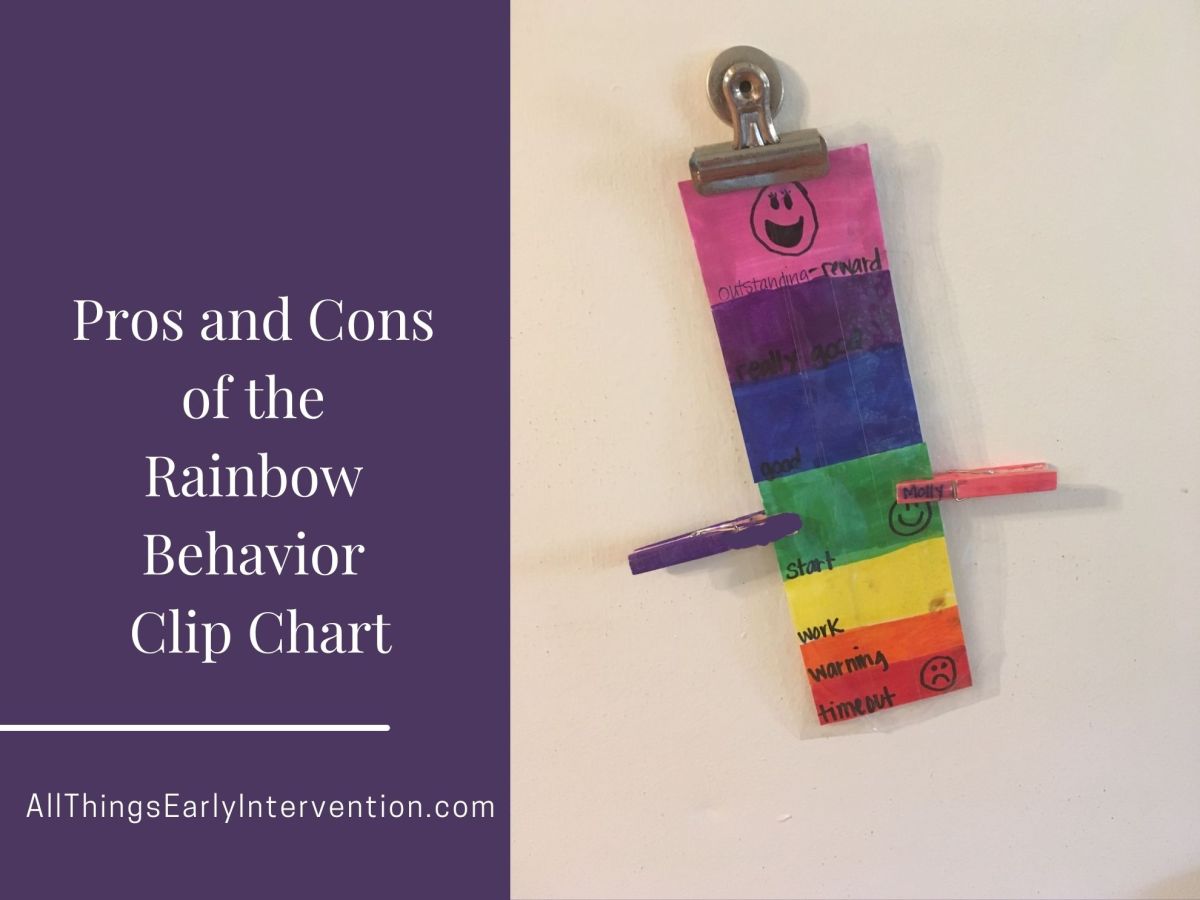
When I was in school, the system for managing behavior was simple, if harsh: write your name on the chalkboard, and check marks and a possible paddling would follow. Later, when I became a mother, my child’s kindergarten classroom (as well as everyone else’s) employed a color-coded traffic light chart. Everyone seemed to love this […]
If you are a working with young children with difficult behaviors, right away my piece of advice is simple: stop wasting your energy disciplining minor issues like “stay out of the fridge,” “don’t touch the garbage,” or “get down from there.”
That energy is better spent meeting the developmental needs and teaching appropriate behavior. In my family’s case we were trying to meet the emotional needs of all involved and learning how to be a new family.
This experience forced a complete reassessment of our health protocols to move from general hygiene to strategic infection control. “Germs” is a non-medical term for microscopic organisms—bacteria, viruses, fungi, and protozoa—that cause disease. Children under seven are particularly vulnerable because they have immature immune systems and a natural tendency to put their hands and toys in their mouths.
It is important to clarify that a child with violent behavior due to neurological or sensory disorders is not intentionally abusing their parent. However, the emotional and psychological impact on the caregiver is strikingly similar to that of victims of intimate partner violence.
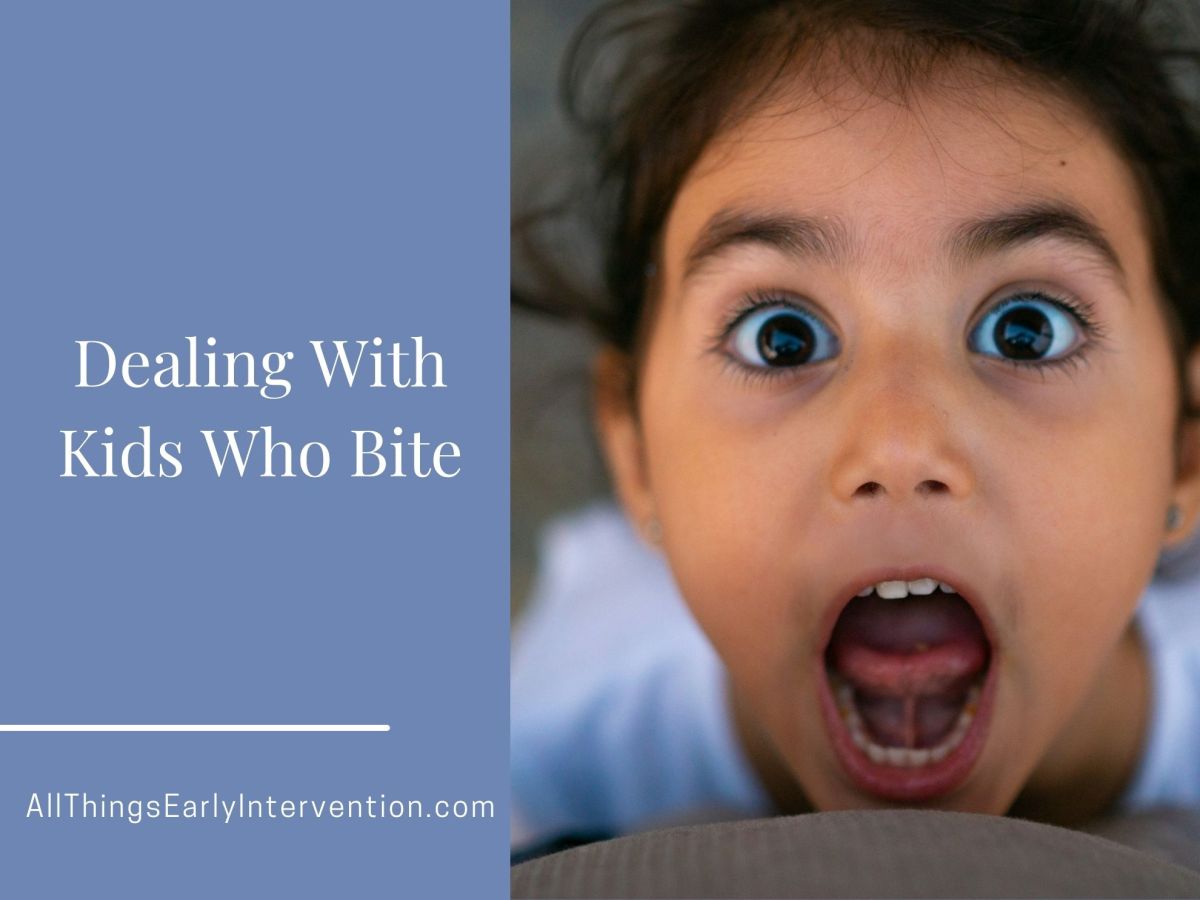
As a teacher and foster parent, I have seen biting behaviors resolve through team-based plans and specific strategies. When these strategies were consistently in place, the biting behavior disappeared. I realized that adults often want the child to simply “stop,” but the most effective interventions begin by changing the environment to reduce triggers like stress, boredom, or competition.
Our experiences with the first child—whether navigating the physical milestones of infancy or the digital dangers of adolescence—shape us profoundly. We learn, we adjust, and we seek out tools that help us create loving boundaries for all our children. Let me share my “First Draft” parenting lessons with you, so you can we can enjoy the spillover effect together.
It took work on our part and on the part of our friends who saw us struggling and to whom we asked for help. We said we are lonely and they said we want to help you. Let’s fix it. Once we realized how to include more opportunities for friends, we felt more connected.
As parents and professionals, we know how important it is to keep our little ones comfortable. And sometimes, it’s the little things, like a working nasal aspirator, that make a big difference.