Don’t be afraid of the word “no.” Use it as a clear, loving boundary to keep your students safe and help them grow into resilient, emotionally intelligent little people.
Categories
No Is Not A Dirty Word

 All Things Early Intervention
Don’t be afraid of the word “no.” Use it as a clear, loving boundary to keep your students safe and help them grow into resilient, emotionally intelligent little people.
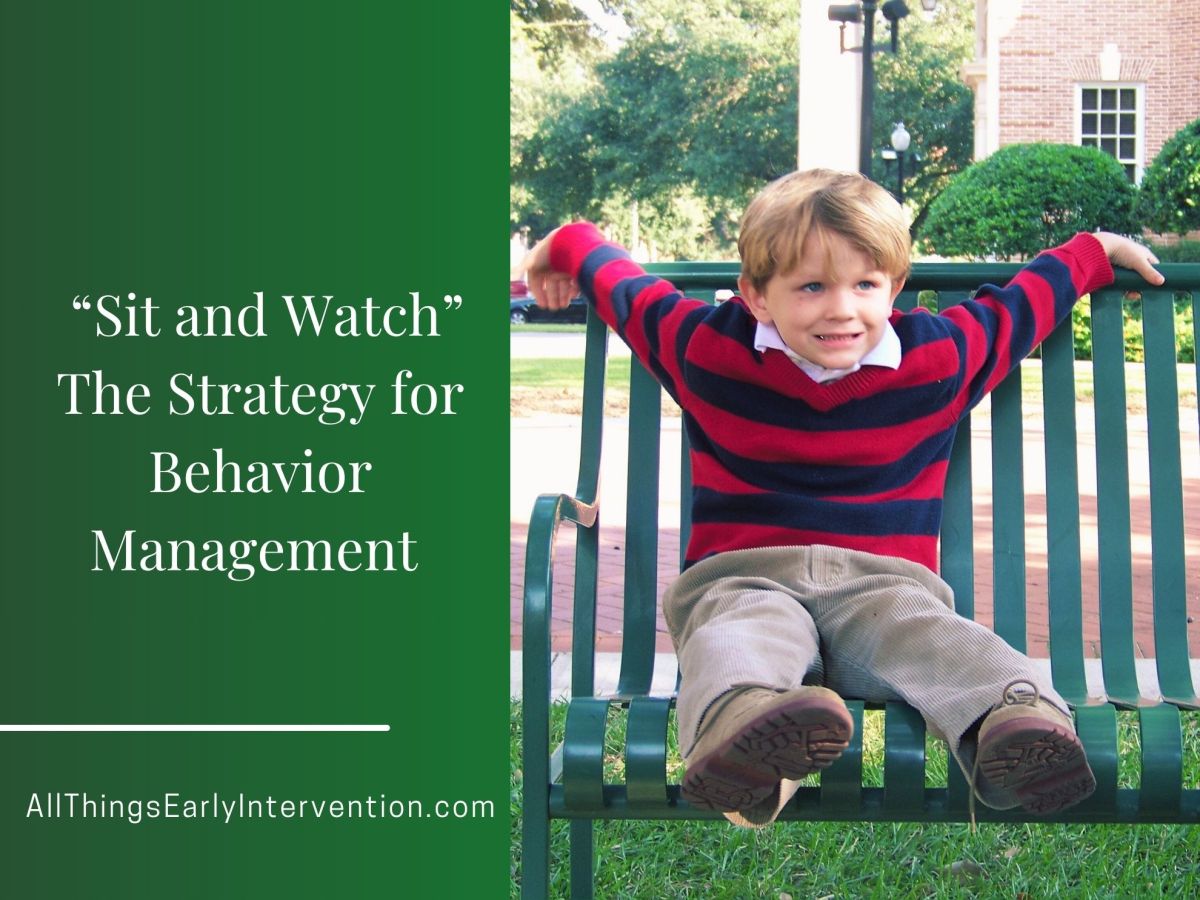
I’ve been fortunate enough to attend several conferences where Dr. Robin McWilliam shared his insights on early intervention and child development. At one session, he discussed a technique called the “Sit and Watch” procedure, designed for preschool settings. The concept immediately resonated with me. For years, I mentioned this strategy to parents and teachers, but […]
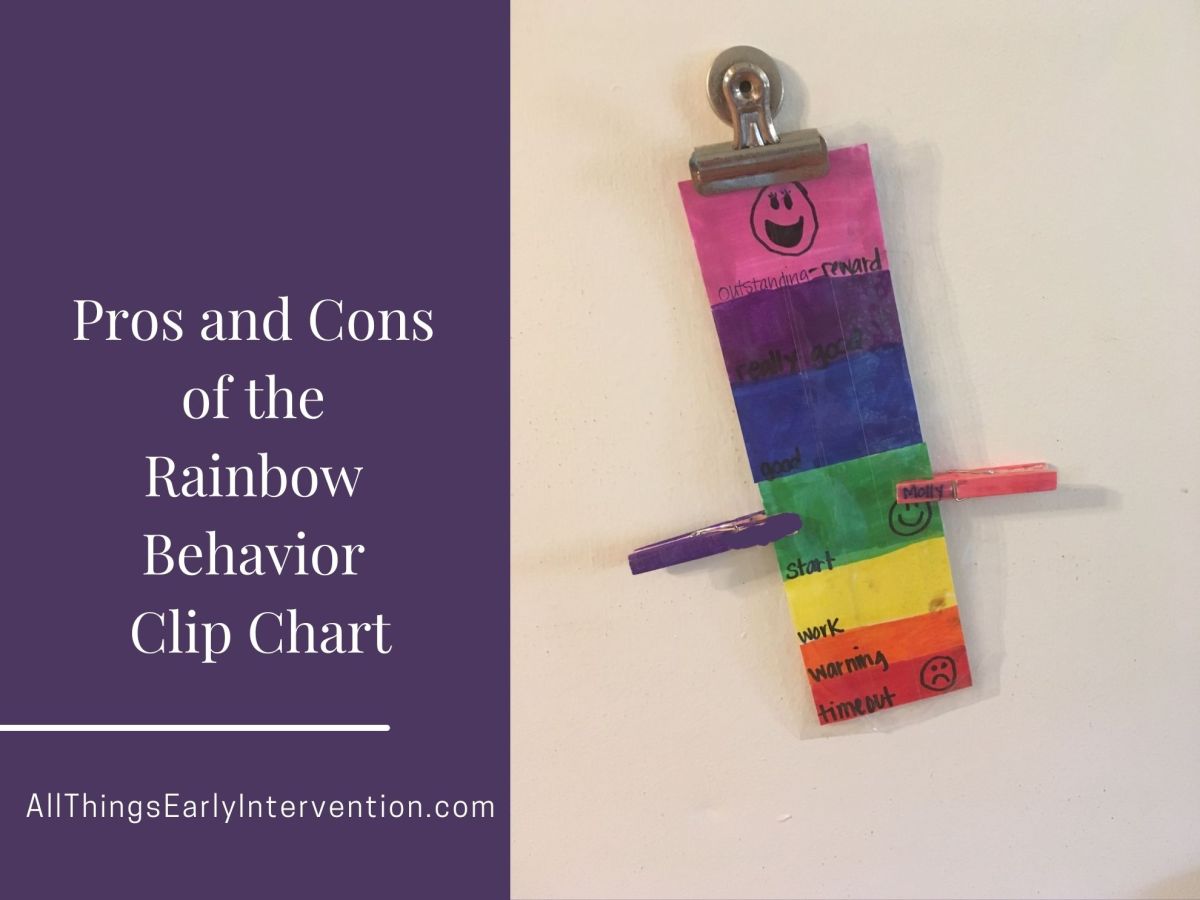
When I was in school, the system for managing behavior was simple, if harsh: write your name on the chalkboard, and check marks and a possible paddling would follow. Later, when I became a mother, my child’s kindergarten classroom (as well as everyone else’s) employed a color-coded traffic light chart. Everyone seemed to love this […]

When I need a high-motivation, movement-based activity for teaching the ability to follow simple one step verbal instructions, I turn to an old classic: “Teddy Bear, Teddy Bear, Turn Around!” When I start singing the song, the children know exactly what to do. It’s a joyful, musical cue that instantly gets them moving.
As a teacher and foster parent, I have seen biting behaviors resolve through team-based plans and specific strategies. When these strategies were consistently in place, the biting behavior disappeared. I realized that adults often want the child to simply “stop,” but the most effective interventions begin by changing the environment to reduce triggers like stress, boredom, or competition.

This activity is more than just fun; it’s a powerful tool for promoting joint attention, fostering creativity, and building fine motor strength. It’s a simple concept that can be modified to meet the unique needs of each child.

Allowing children to use safe knives is more than just a fun activity. It’s an opportunity for them to develop skills and explore their senses. By encouraging their involvement in food preparation, we’re creating enriching sensory experiences that will benefit them for years to come.

By connecting play into book sharing, we can make reading a more enjoyable and meaningful experience for even the most reluctant toddlers.
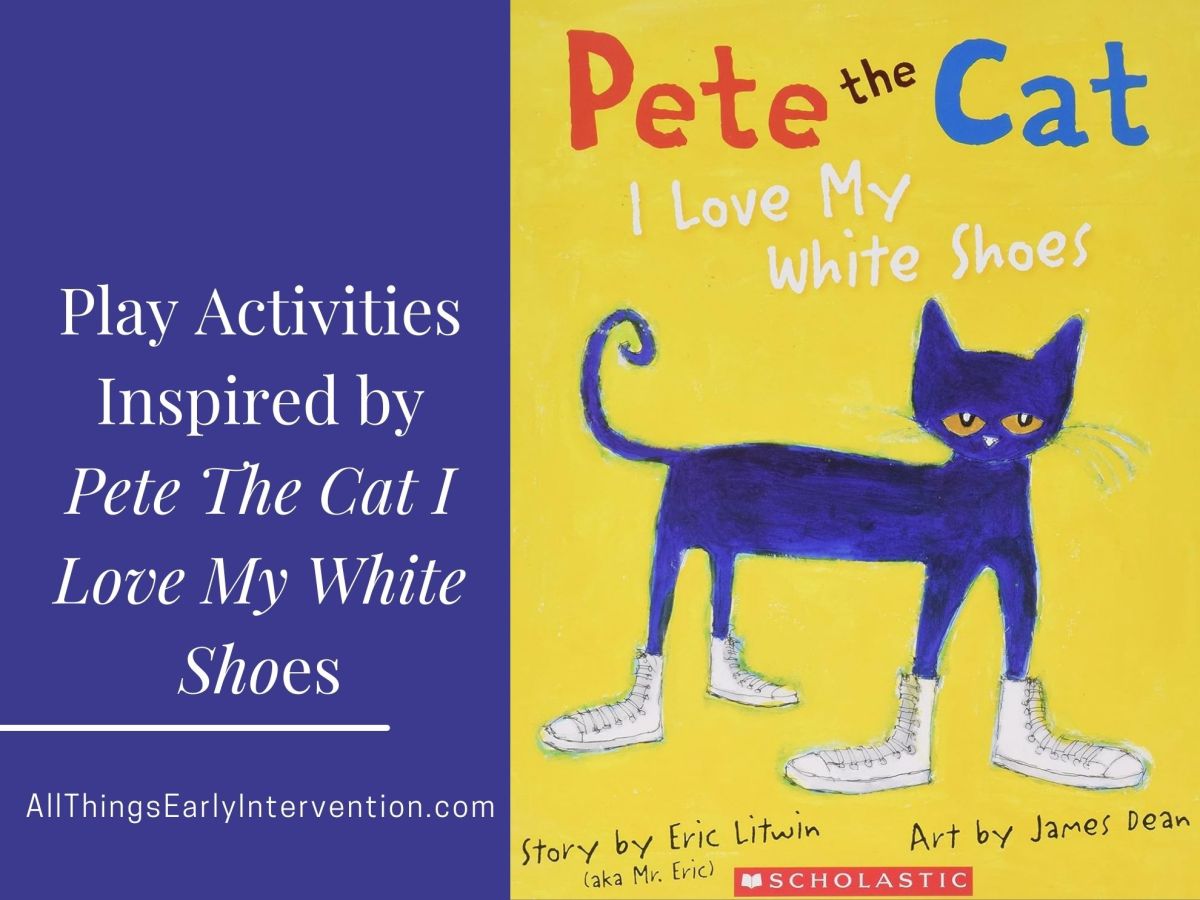
If you’re a teacher or early interventionist wanting to help children develop their language skills:
Use play-based activities that go along with the books you read. Whatever book it is!
Read the books over and over again.
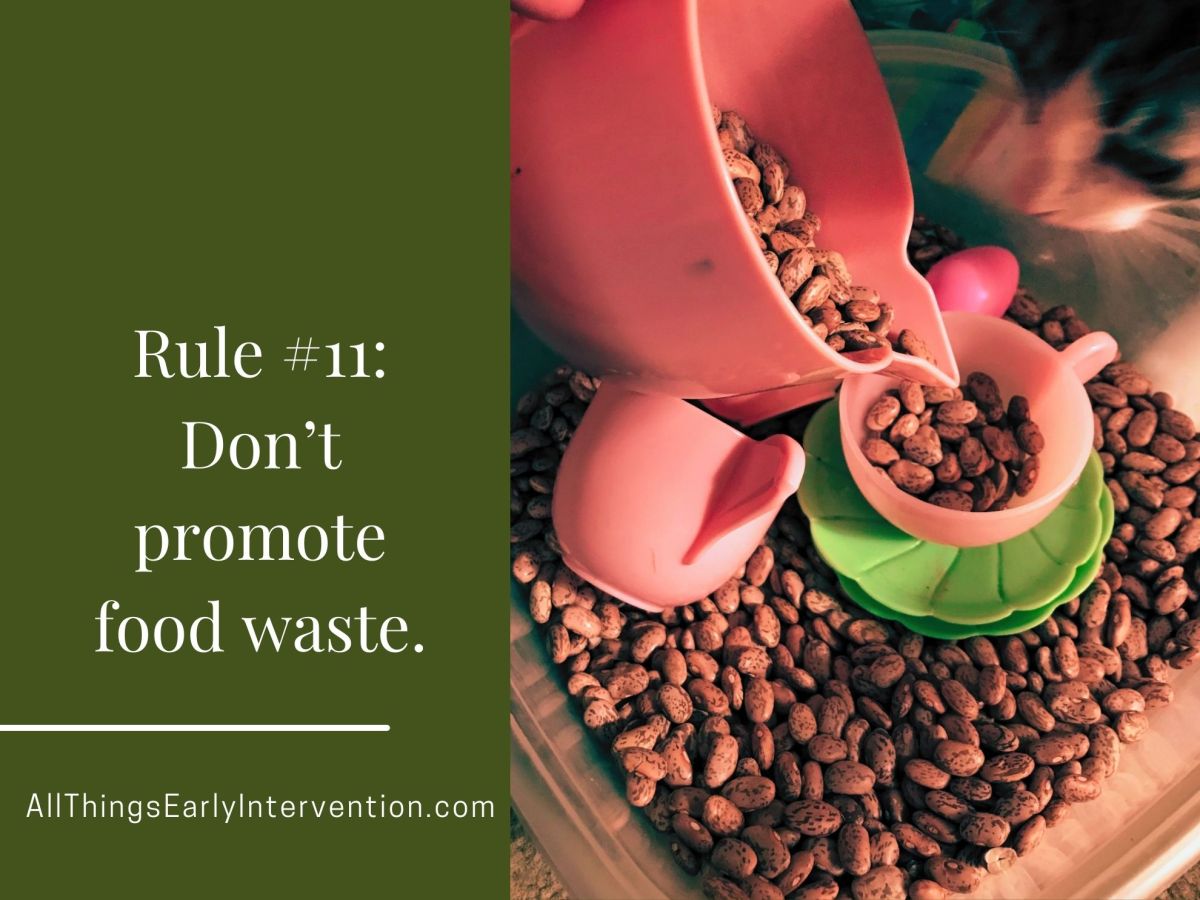
Let’s talk sensory bins, a staple in therapy rooms for good reason. They’re a fantastic way to engage little learners and explore textures. But have you ever stopped to consider the ethics of using food in these bins, especially when some families we work with struggle with food insecurity?
Have a WordPress.com account? Log in now.

