
Throw This, Not That
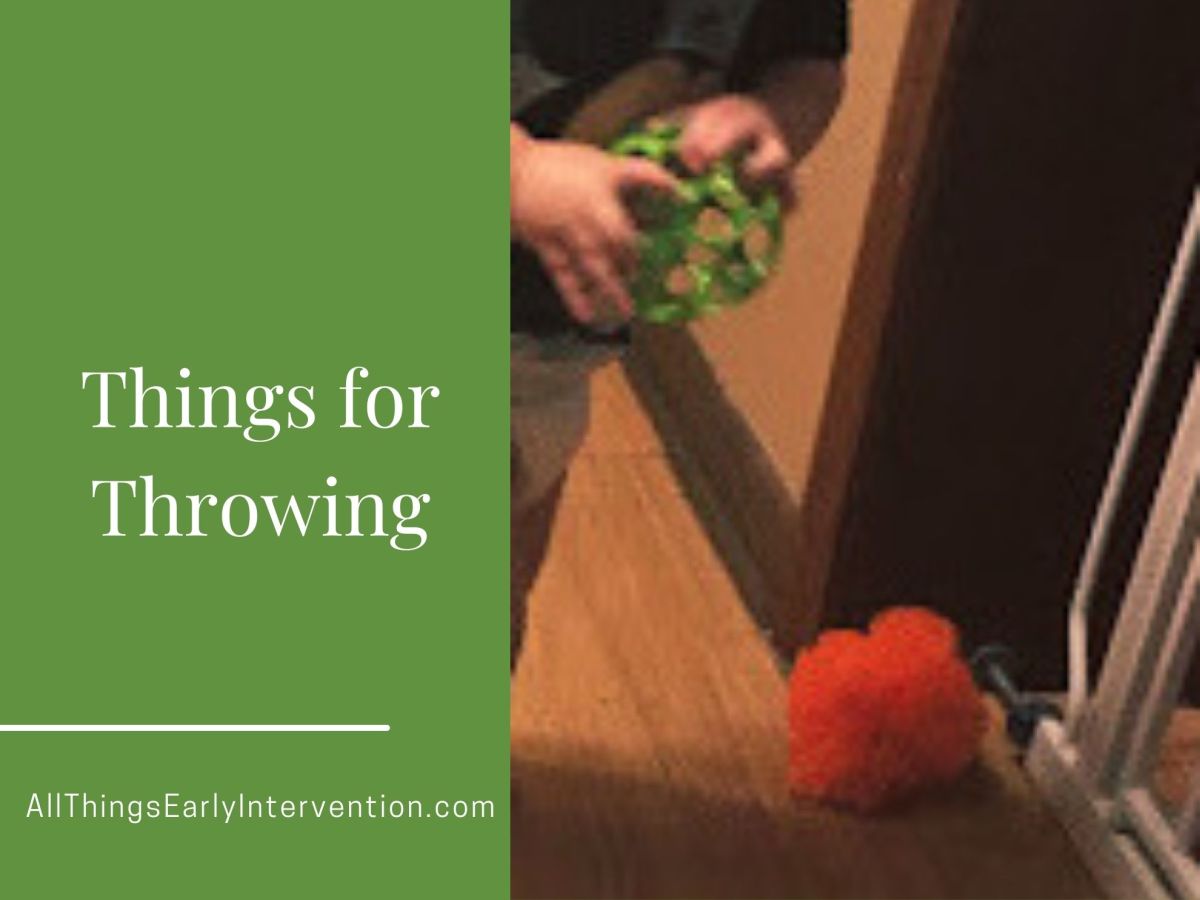
Some children just love to throw stuff, and it’s a powerful developmental drive. We don’t want to hurt people or break stuff, but constantly fighting a toddler with that impulse often leads to frustration for both the adult and the child. Our immediate, instinct is to say, “Stop throwing stuff!” But what if we paused…
Keep reading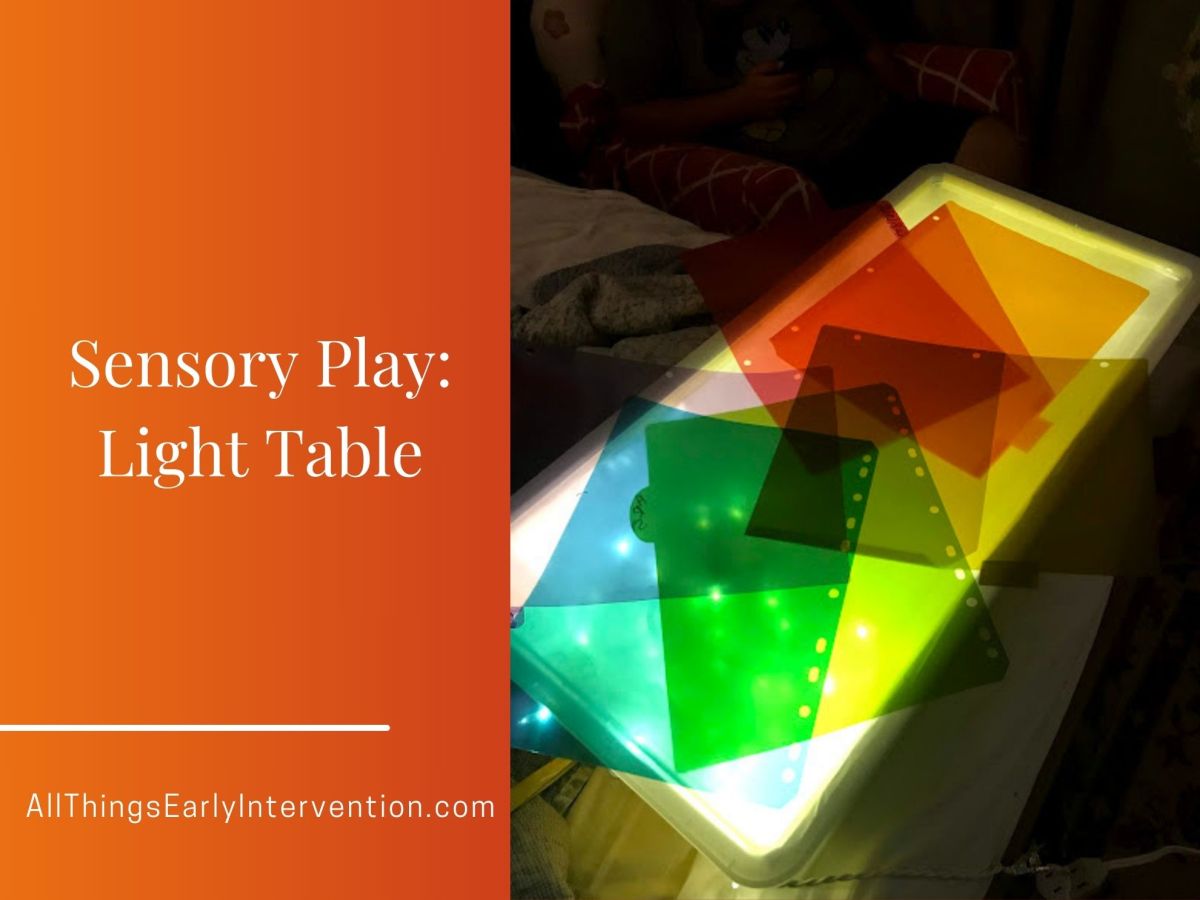
DIY Light Box for Early Intervention
A DIY Light Table for Sensory Seekers I know what it feels like to be out of ideas. When our foster son entered our lives, he was a vibrant, intense sensory seeker. He needed high-octane input, often chewing on non-food items, bumping, crashing, and constantly moving. He struggled to settle and focus on quiet activities.…
Keep reading
Fine Motor Skills Activity: Tearing And Gluing Paper
This activity is more than just fun; it’s a powerful tool for promoting joint attention, fostering creativity, and building fine motor strength. It’s a simple concept that can be modified to meet the unique needs of each child.
Keep reading
The Benefits Of Young Children Using Knives (Safely)
Allowing children to use safe knives is more than just a fun activity. It’s an opportunity for them to develop skills and explore their senses. By encouraging their involvement in food preparation, we’re creating enriching sensory experiences that will benefit them for years to come.
Keep reading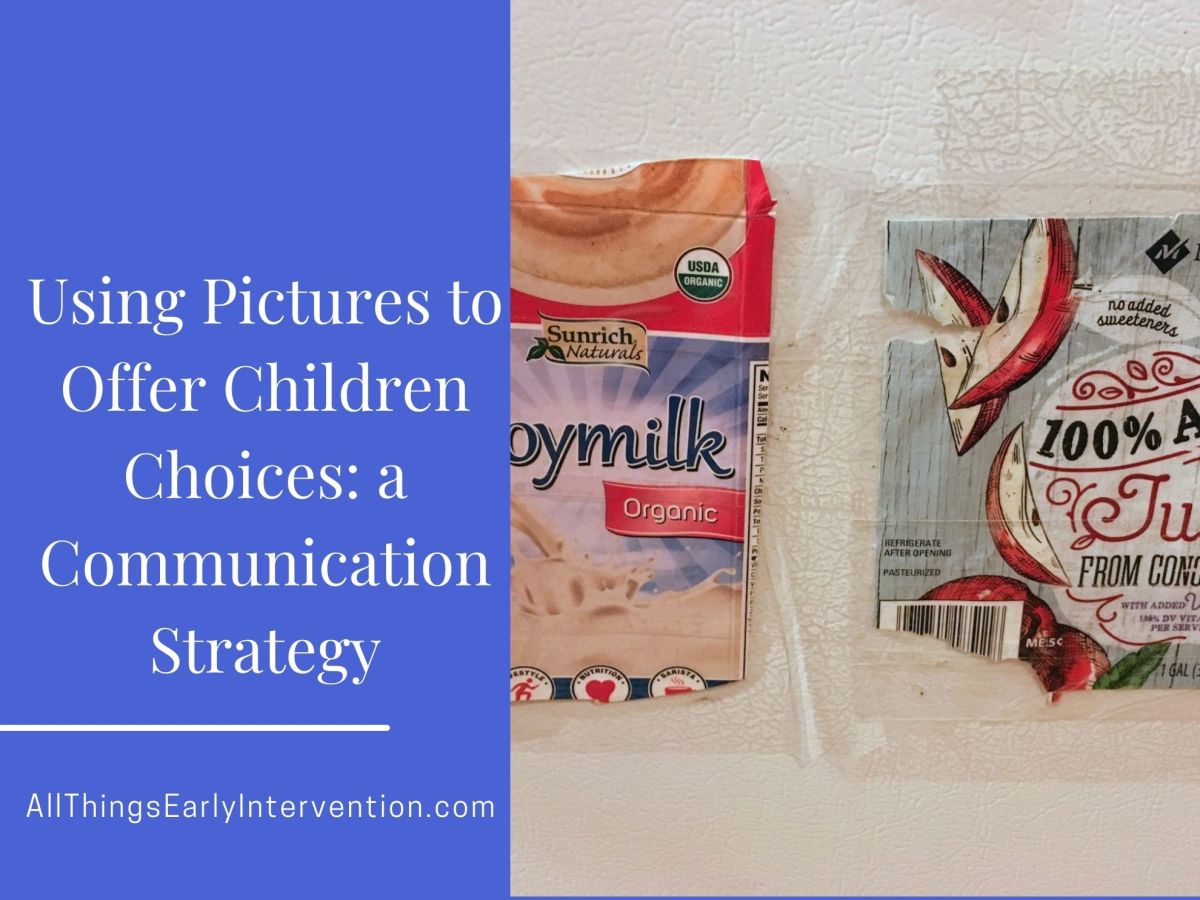
Using Pictures To Offer Choices To Toddlers
It takes some experimenting to find a strategy that works. One strategy that I try early on is using a picture, an object, or a sign/gesture to bridge the gap in communication.
Keep reading
Skills You Can Observe When You Give A Toddler A Glue Stick
My instinct to guard glue stick caps comes from my days as a toddler classroom teacher, where glue stick caps were not only a choking hazard but also a hidden teaching opportunity.
Keep reading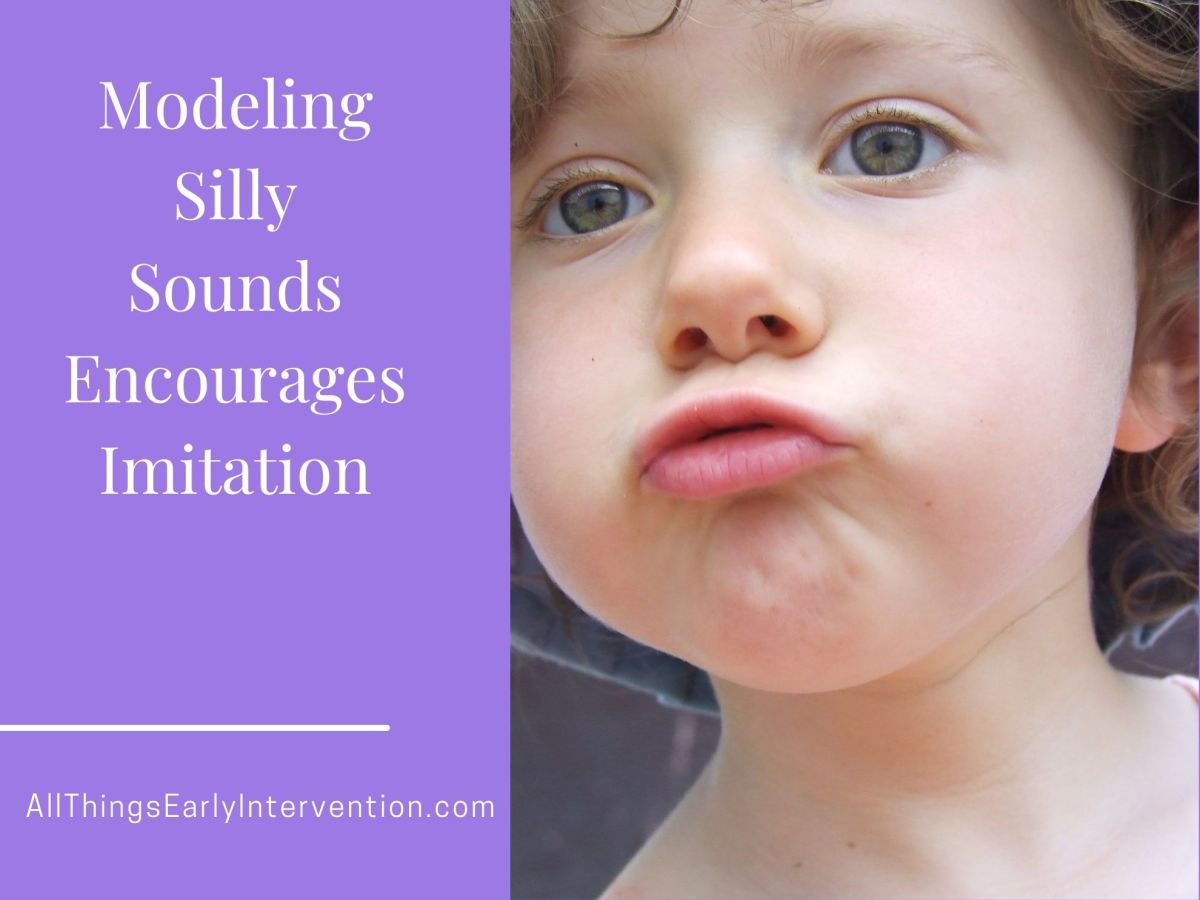
How Modeling Silly Sounds Encourages Verbal Imitation
With these two things happening, modeling sounds and nonverbal turn-taking, the environment is ripe for imitation. Each child is different, and it may take time, patience, and experimentation to determine what sounds/ activities motivate them.
Keep reading
