Our foster son seemed to have a motor that never stopped. He was what we call a sensory seeker, craving the kind of input that helps a body feel grounded and organized. He needed to move constantly, which made the times he had to be still—like being buckled securely in a car seat, waiting at the doctor’s office, or sitting at a restaurant—incredibly difficult.
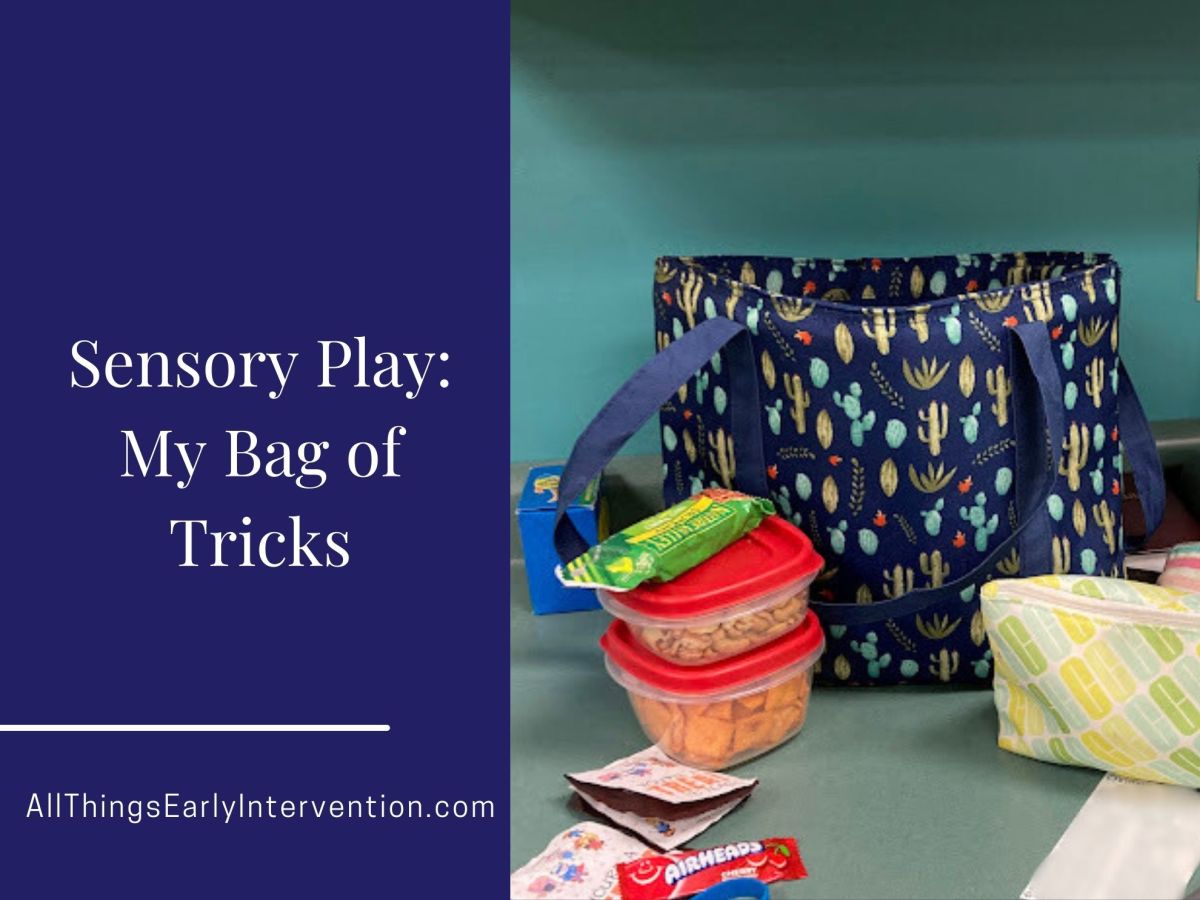
Car rides were a particular struggle. Over time, we found that giving his hands a “something to do” made these moments of stillness much easier. We developed what we called our “Bag of Tricks”—an old cosmetic zipper pouch filled with a rotating selection of toys to keep him engaged.
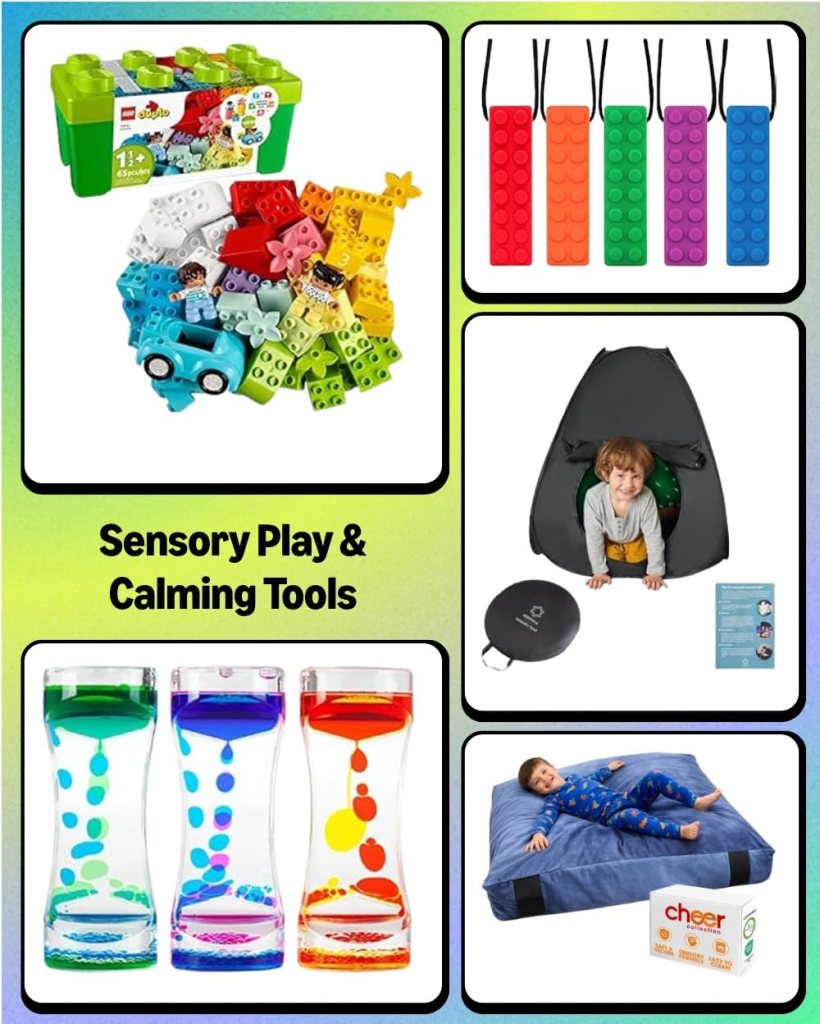
Inside, you might find a handful of Lego Duplos, Magna-Tiles to snap back and forth, an electric toothbrush, or even a pair of gloves he could take on and off. We realized that when he couldn’t move his whole body, meeting his sensory needs through his hands and mouth allowed him to find a sense of calm.
For example, physical activity—even something as small as fidgeting the hands or chewing—increases levels of neurotransmitters like dopamine and norepinephrine. Both of these chemicals play a vital role in sharpening focus and increasing attention. The proprioceptive system, which receives input from muscles and joints about body position and pressure, is a major organizer of sensory information. When a child’s system is under-responsive, they may seek intense movement or “crashing” behaviors because their system requires stronger signals to feel where their body is in space. By providing a fidget or a resistive toy, we are offering a quiet, non-disruptive way for them to move their body while staying in their seat.
Reframing Behavior in Early Intervention
By utilizing a sensory “Bag of Tricks,” we aren’t just providing toys; we are providing functional replacements for disruptive movements. Instead of a child kicking the back of a car seat or biting their clothing, they can engage with a chewable necklace or snap building blocks together. This approach meets the child’s biological need for sensory input, which is the foundation for achieving a calm-alert state—the optimal state of the nervous system required for learning and paying attention.
Practical Advice for Your Own “Bag of Tricks”
If you work with young children who struggle with transitions or periods of sitting still, here are practical ways to implement this research:
- Resistance-Based Fine Motor Tools: Include items that require pushing, pulling, or snapping, like Lego Duplos, Magna-Tiles, or therapy putty. These provide feedback to the joints, helping the child learn to use the “just right” amount of force.
- Oral Motor Input: The mouth is one of the most sensitive areas of the body, and for many, oral input is the quickest way to regulate. Include “chewelry” (chewable jewelry), applesauce pouches to suck, or thick liquids through a straw to provide calming proprioceptive feedback through the jaw.
- High-Level Sensory Feedback: An unused electric toothbrush provides deep vibration that can “wake up” oral receptors or calm a child’s system. Toys with interesting textures or Velcro rollers satisfy the need for tactile feedback.
- Novelty and : Keep the items in the bag rotating to fight the boredom. Include small treasures like Happy Meal toys to provide a distracting surprise during long mealtimes or travel.
- Visual appeal: kid-safe mirror or bubble timer.
- Your child’s interests: like our guy was obsessed with playing with letters so we included magnet letters and wooden abc blocks
- Complexity: Sometimes I suspect when he was having a good day, he enjoyed the challenge of trying to put on gloves. He also got a kick out of putting his toys in his socks.
I invite you to become a “sensory detective” this week. Choose one child who consistently struggles with sitting still and observe what their body is asking for.
When we meet their biological needs with compassion and research-backed tools, we don’t just stop a behavior—we empower a child to thrive.
References
Aspiranti, K. B., & Hulac, D. M. (2022). Using fidget spinners to improve on-task classroom behavior for students with ADHD. Behavior Analysis in Practice, 15(2), 454–465. https://pmc.ncbi.nlm.nih.gov/articles/PMC9120292/
This study examines how fidget tools can serve as an appropriate replacement for disruptive movements, increasing on-task behavior for children with ADHD in classroom settings.
Biali Haas, S. (2019, June 21). Working with your hands does wonders for your brain. Psychology Today. https://www.psychologytoday.com/us/blog/prescriptions-life/201906/working-your-hands-does-wonders-your-brain
A physician explains how manual tasks that require little cognitive effort allow the mind to relax, solve problems, and maintain a healthy mood.
Grogan, A. (2023, May 15). Everything oral sensory processing: Activities and input ideas. Your Kid’s Table. https://yourkidstable.com/oral-sensory-processing/
An occupational therapist details the oral sensory systems and provides a list of activities to help children who seek oral input self-regulate.
Kubo, K., Iinuma, M., & Chen, H. (2015). Mastication as a stress-coping behavior. Biomed Research International. https://pmc.ncbi.nlm.nih.gov/articles/PMC4450283/
This research explores the neuronal mechanisms behind chewing, showing how it attenuates the body’s stress response and supports cognitive function.
Montroy, J. J., Bowles, R. P., Skibbe, L. E., McClelland, M. M., & Morrison, F. J. (2016). The development of self-regulation across early childhood. Developmental Psychology, 52(11), 1744–1762. https://pmc.ncbi.nlm.nih.gov/articles/PMC5123795/
A longitudinal study identifying different growth patterns in self-regulation, highlighting that a significant subset of children develop these skills later than their peers.
Rotz, R., & Wright, S. D. (2025, October 1). The body-brain connection: How fidgeting sharpens focus. ADDitude Magazine. https://www.additudemag.com/focus-factors/
Details how physical activity and fidgeting increase neurotransmitters that help the ADHD brain block out distractions and increase productivity.
The OT Toolbox. (Accessed April 3, 2026). Fun proprioceptive activities kids love. https://www.theottoolbox.com/proprioception-sensory-activities/
A guide to the proprioceptive system and various “heavy work” and resistance activities designed to help children find calm and organization.
Some Related Products on Amazon
As an Amazon Associate, I earn on qualifying purchases.

LEGO DUPLO Classic Brick Box Building Blocks Shop at Amazon

MAGNA-TILES Classic 32-Piece Magnetic Construction Set, The ORIGINAL Magnetic Building Brand Shop at Amazon

CanDo TheraPutty 4 Piece Set Shop at Amazon

Sensory Chew Necklaces at Amazon
Colgate Kids Bluey-Themed Battery Toothbrush at Amazon
Conair Heatless Hair Curlers, Self-Grip Hair Rollers for Women Shop on Amazon
Folding Travel Mirror Hair Brushes Round Mirror Pocket Hair Brush Shop Amazon
Liquid Motion Bubbler Timer Colorful Oil Hourglass Liquid Sensory Toys Shop Amazon