
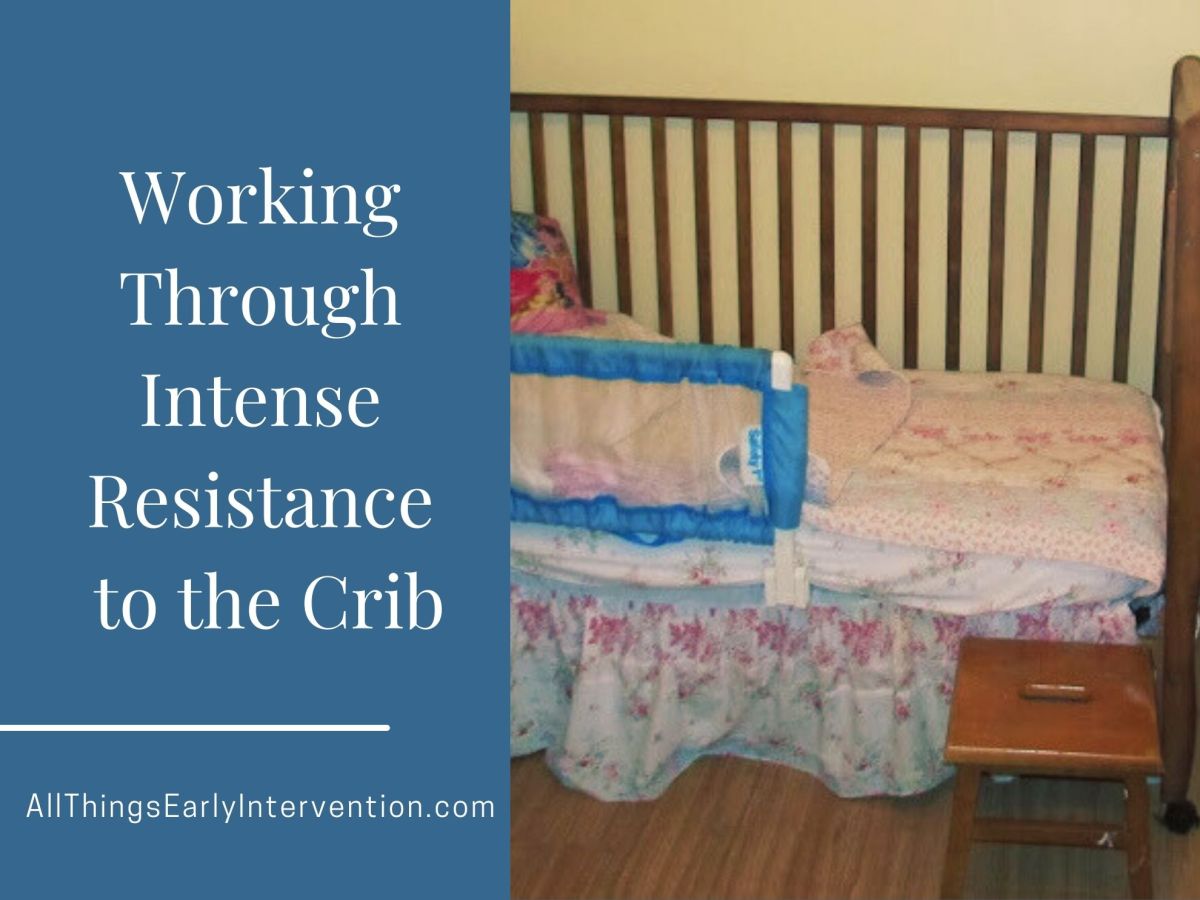
I will never forget the first night of our first foster placement. The evening had been what I call “controlled chaos”—a whirlwind of new toys and new foods. Because he had been so quiet and observant, I felt we had done everything right to build rapport. But the moment I gently lowered him into the crib, the atmosphere didn’t just change; it shattered.
His reaction was pure panic. He screamed with the pitch of a desperate, survival-based demand for safety. I froze, unsure of how to proceed. Was this an intense version of typical toddler bedtime resistance, or was it something else? In that moment, my gut told me that forcing a “normal” routine would be wrong.
Recognizing the Miscue
Reflecting on that night, I realize now that his behavior was a miscue. A child’s history of trauma can cause them to perceive a standard environment—like a crib—as a threat rather than a sanctuary. For a child who may associate a crib with neglect or confinement, a routine bedtime becomes a trauma trigger, activating a state of high biological alarm.
Mistaking a cry for safety as a simple bid for attention creates a “poorness of fit,” where a parent’s efforts clash with the child’s internal reality. To bridge this gap, caregivers must move away from rigid, one-size-fits-all routines. We must adjust our responses to match the child’s world.
The Goodness of Fit Model
This shift—from enforcing a schedule to becoming a source of comfort—is the heart of the Goodness of Fit model. Developed by researchers Stella Chess and Alexander Thomas, this model explains that children thrive when a parent’s expectations and demands are in alignment with the child’s unique temperament and developmental stage.
Chess and Thomas showed us that parenting is a two-way street. A child’s natural personality and a parent’s reactions influence each other constantly. When the “vibe” matches up, the child feels successful and secure. However, a persistent mismatch creates significant stress, often leading to worsening behavior and emotional distress.
To achieve a “good fit,” a caregiver must read signals correctly. A typical toddler might cry because they want more playtime, but a traumatized child screams because they need to know they are safe. Ignoring a child in a state of visceral panic through “extinction” (cry-it-out) can be neurologically detrimental. In these moments, a child is physically incapable of self-soothing until they first feel securely soothed by a consistent adult.
“For babies and children, self-soothing is being able to calm themselves without the help of another person… In order to learn how to self-soothe, babies and children first need to know how it feels to be soothed, either by their caregivers, by fun and relaxing activities, or by their needs being met”.
Pathways.org. (2025). What is self-soothing? Learn about this important social-emotional tool.
How We Fixed the “Fit”
Instead of blaming the child for a natural mismatch, we changed the environment to help him succeed. Here is how we modified our plan:
- The First Night: Removing the Threat. We abandoned the crib entirely. We made a cozy pallet on the living room floor and let him fall asleep to a movie. With the “threat” of the crib removed, his biological attachment system settled, and he fell asleep immediately.
- The Transition: Building Safety and Trust. The next night, we moved back toward a routine but modified the environment by converting the crib into a toddler bed. Because he could exit on his own, the bed no longer felt like a trap. I used a technique called “camping out,” sitting on a stool by his side. I gently and calmly guided him back each time he wandered until sleep took over. Most importantly, the panic was gone; the mismatch was resolved.
- The Return to the Crib: Mastery through Safety. After a week of success, we reassembled the crib. When I placed him inside, he resisted and cried, but the sound had changed. It was no longer a fight for survival; it was a “want” cry—a bid for attention and comfort. I stayed by his side, reading stories in a calm voice until he recognized the familiar, safe routine. He fell asleep easily that night and has ever since.
By recognizing his miscue and providing “whatever it takes” to establish safety first, we gave him the foundation he needed to eventually master the skill of independent sleep.
Reference List
Blunden, S. L., Thompson, K. R., & Dawson, D. (2011). Behavioural sleep treatments and night time crying in infants: Challenging the status quo. Sleep Medicine Reviews, 15(5), 327-334. https://doi.org/10.1016/j.smrv.2010.11.002
- Deconstructs the difference between “needs” and “wants” in nocturnal crying and discusses the “goodness of fit” model.
Cleveland Clinic. (2025). What is the cry-it-out method of sleep training? https://health.clevelandclinic.org/cry-it-out-method
- Validates the importance of parental intuition and differentiates between “shrieking” and typical protest.
Pathways.org. (2025). What is self-soothing? Learn about this important social-emotional tool. https://pathways.org/what-is-self-soothing/
- Explains that self-soothing is a learned process and that children first need to experience being soothed by a caregiver.
Wotherspoon, E., & Petrowski, N. (2008). Supporting the emotional development of infants and toddlers in foster care. CECW Information Sheet #60E. https://cwrp.ca/sites/default/files/publications/EmoNeedsFoster60E.pdf
- Defines “miscues” and trauma triggers in foster children.

