

Heavy Work: Calming the Sensory Seeker Through Movement
As both a foster parent and early intervention professional, I’ve worked with numerous children who struggle with self-regulation, constantly seeking input to organize their sensory systems. I want to share some insights on how “heavy work” activities can be a powerful tool for these children.
Understanding the Sensory Seeker
Our son constantly craved sensory input. He was always moving, touching, and exploring, often in ways that seemed chaotic or disruptive.
I learned that he was a “sensory seeker,” that sensory seekers aren’t being “difficult”; they’re trying to regulate their nervous systems. As the direct quote from NAPA Center explains,
“Sensory processing is the way your body takes in sensory information from the world and interprets this information in the brain, to respond. Our bodies are constantly receiving sensory input, processing it, and adjusting our responses, without us even realizing it is happening! The way sensory input is perceived and responded to varies from child to child. Sometimes sensory information goes to the brain but there is difficulty in organizing it to produce the appropriate responses.”
NAPACenter. (n.d.). How to tame your sensory seeker. Retrieved March 29, 2025, from https://napacenter.org/how-to-tame-your-sensory-seeker/
Heavy Work and Sensory Regulation
Sensory seekers often benefit from “heavy work” activities, which involve muscle effort and activate the proprioceptive system.
- Proprioceptive System: This system receives input from muscles and joints about body position, weight, pressure, and movement.
- Heavy Work: Activities like pushing, pulling, lifting, and jumping provide proprioceptive input, which can calm and regulate a dysregulated nervous system.
The Power of Proprioceptive Feedback
Sensory seekers may naturally seek out various sensory experiences, but it’s crucial to guide them toward appropriate and regulating activities. Often, this means prioritizing proprioceptive feedback through heavy work.
As occupational therapists have told me, “When in doubt, heavy work.” This helps their body regulate their cravings and behaviors.
“When in doubt, heavy work.”
Practical Heavy Work Activities for Littles
Here are some practical heavy work activities:
Jumping with Rhythm: Trampolines or Jumping Jacks

Movement While Seated: Using Oral Motor Feedback and Fidgets
Work Activities: Pulling a Heavy Wagon, Riding a Scooter Board

Playground Activities: Climbing Equipment, Playground Slides, and Ride-on Toys


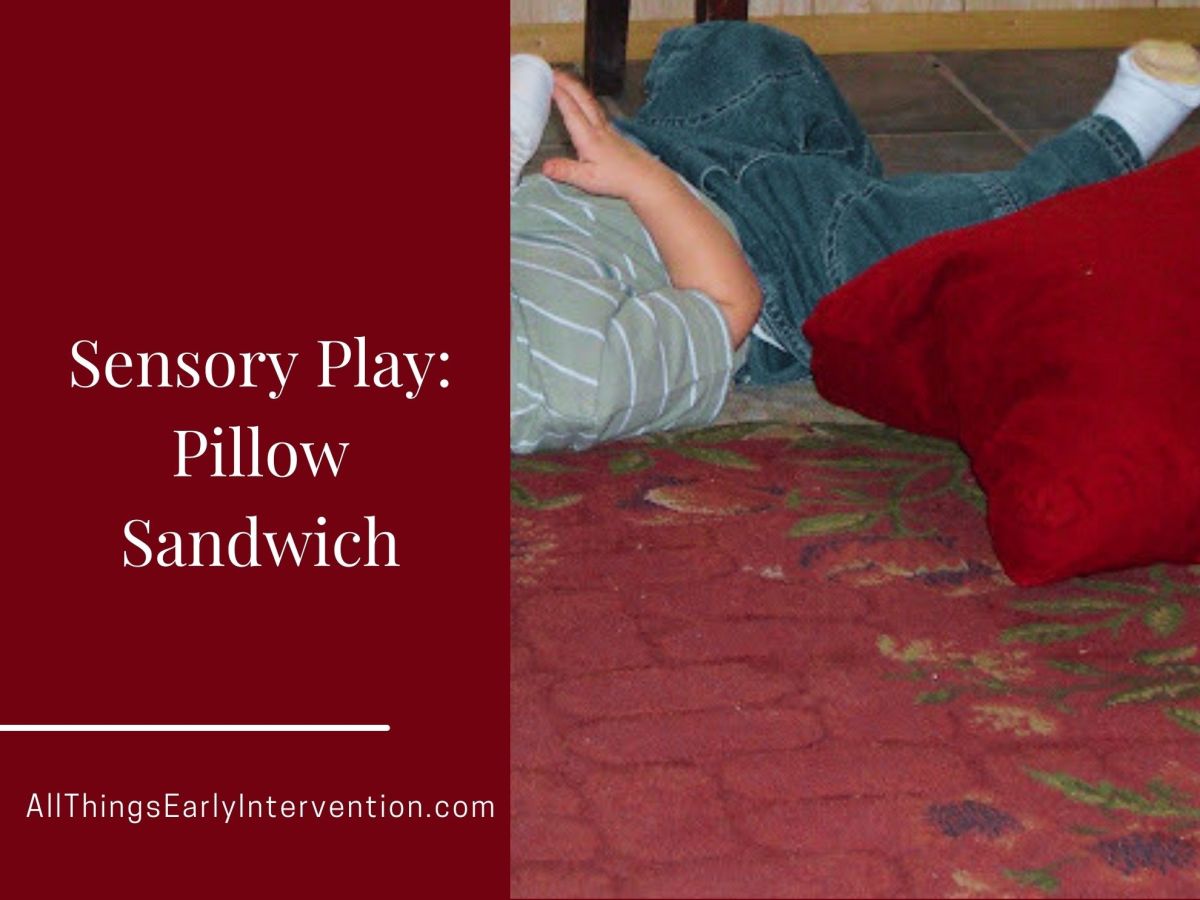
Whole-Body Input: Squishing Into Large Pillows or Deep Pressure

Finding Regulation Through Movement
Remember, what works for one child may not work for another. It’s worth trying a variety of things. I hope these stories give you ideas of what you might try in the future.
Some Related Products on Amazon
As an Amazon Associate, I earn on qualifying purchases.


Shopping Cart


Crash Pad
References
- Beck, C. (2025). Heavy Work Activities. The OT Toolbox. https://www.theottoolbox.com/heavy-work-activities/
- Gigliotti, F., Giovannone, F., Belli, A., & Sogos, C. (2024). Atypical Sensory Processing in Neurodevelopmental Disorders: Clinical Phenotypes in Preschool-Aged Children. Children (Basel), 11(7), 875. https://pubmed.ncbi.nlm.nih.gov/39062324/
- NAPACenter. (n.d.). How to tame your sensory seeker. Retrieved March 29, 2025, from https://napacenter.org/how-to-tame-your-sensory-seeker/
All Blog Posts from the Heavy Work
Sensory Play: Stretchy Bands
For a sensory-seeking child who is always looking for movement, if that movement comes in the form of a fun, voluntary activity—like using an elastic band to play with—that is an improvement.

Escaping the Car Seat: What Worked for Us
The most important lesson I learned is that prevention is key. When your child is actively escaping their car seat while you’re driving, you’re helpless. Focus on creating an environment that minimizes the likelihood of escape.
Using A Cardboard Box to Support Sensory Needs On the Go
The cardboard box solution, a simple early intervention strategy, addressed several of his sensory needs and made a challenging situation much more manageable. It also underscores the many benefits of cardboard box play for children in general.

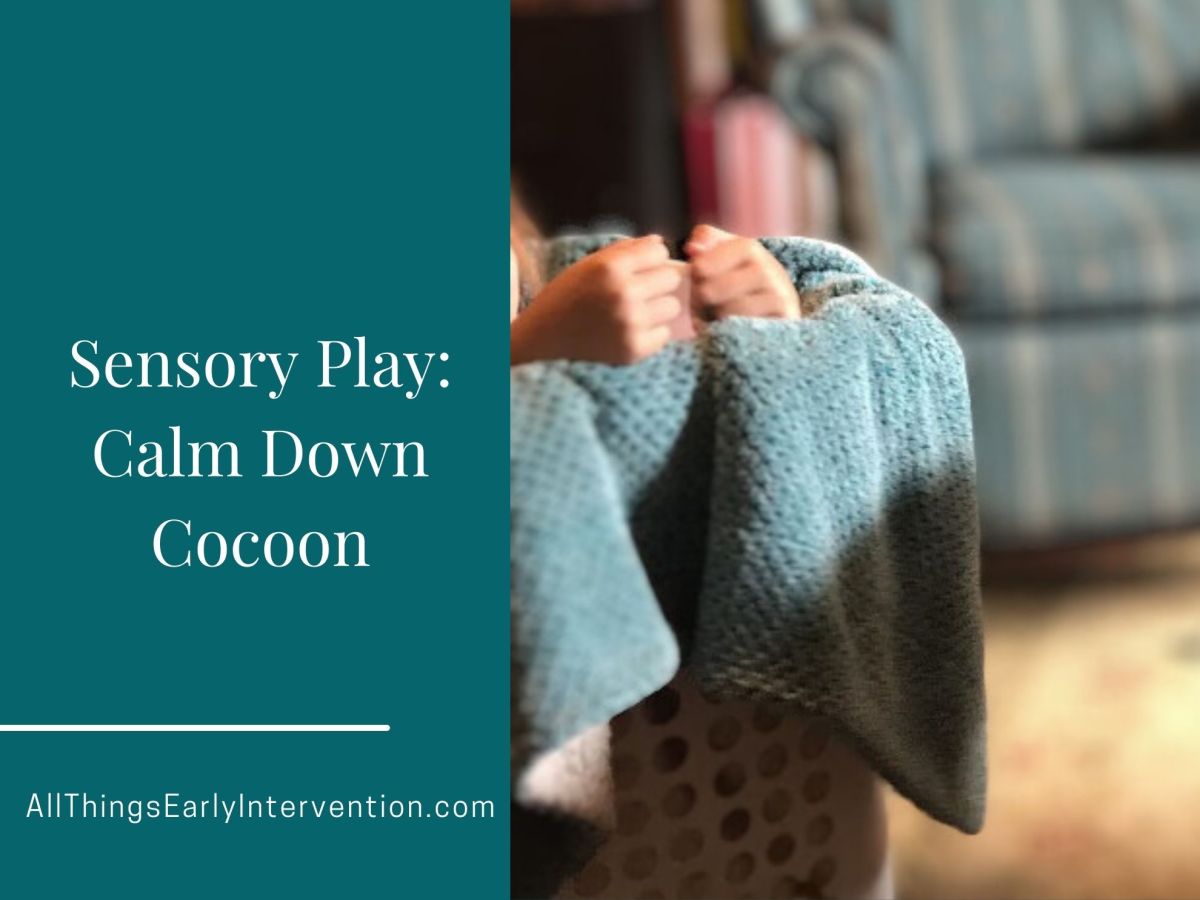
Sensory Play: The Calming Effect of Weighted Blankets
Our son was a classic sensory seeker. He craved deep pressure and had difficulty self-regulating. By providing appropriate sensory feedback, we helped him find a sense of calm, particularly during sleep.
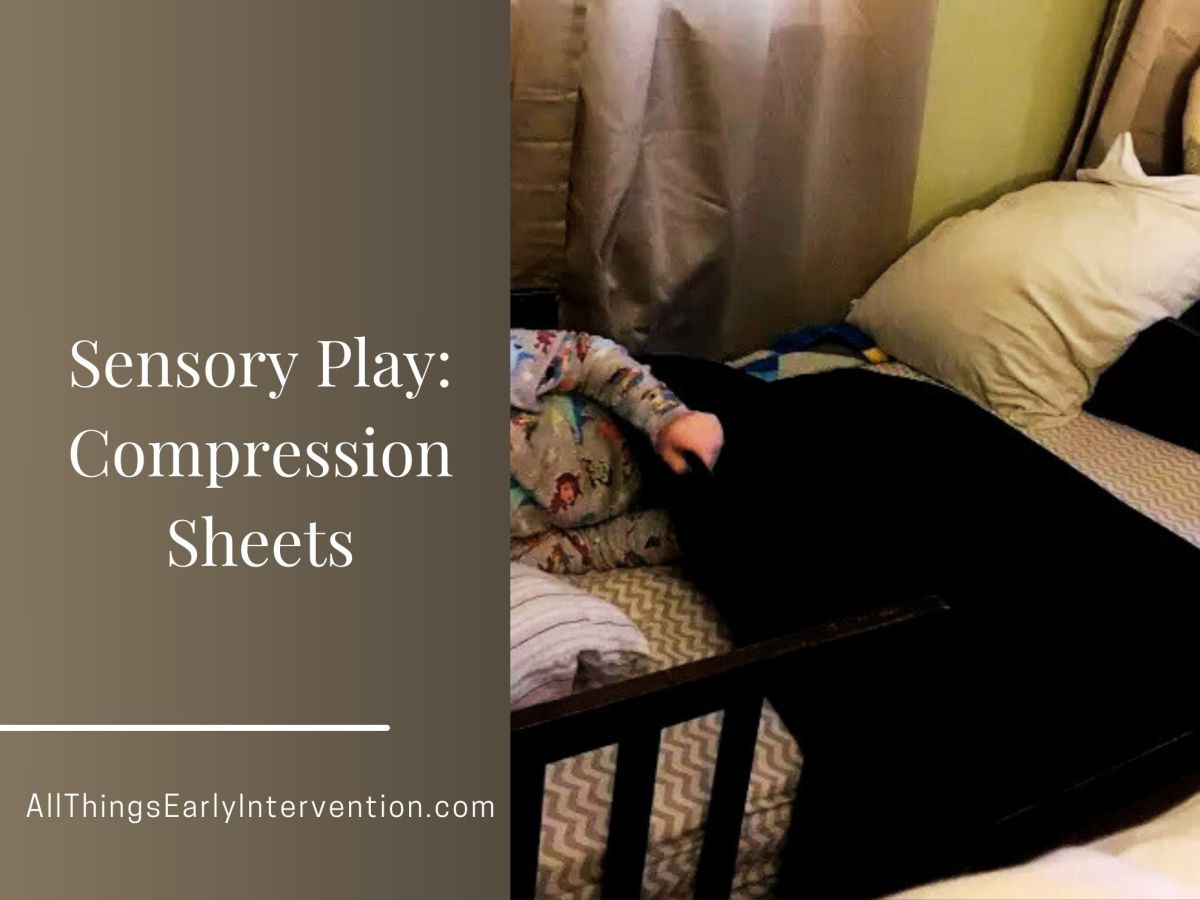
Sensory Input: Compression Sheets
Now, the research on compression as a therapeutic tool is a bit mixed results. Some professionals swear by it, while others are less convinced. But, as we often say when we are sleep deprived and desperate, “It couldn’t hurt to try, right?” And boy, were we glad we did! It was awesome.

Sensory Play: How We Included Sensory Feedback Into Our Home And Routines
By understanding sensory seeking and incorporating these heavy work activities into your child’s routine, your child may benefit by feeling calmer, more regulated, and better able to focus throughout the day.

