
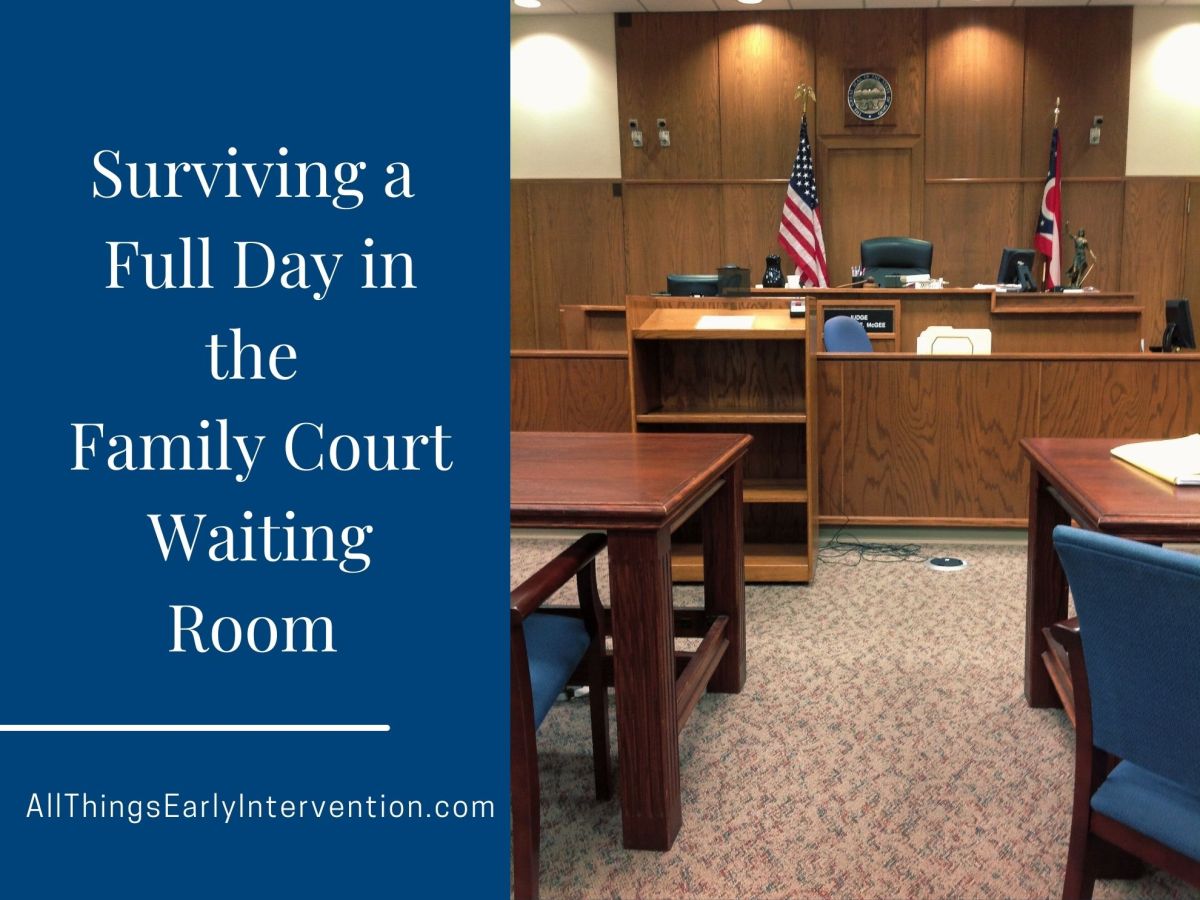
Going to court as a foster parent can feel incredibly daunting. The atmosphere is often tense, and the stakes are impossibly high: a child’s entire future hangs in the balance. We know our input is crucial for the judge to make informed decisions, yet the sheer process of getting our two minutes of testimony can feel like an insurmountable challenge.
Foster Parent’s Role In Court
Once you are in the courthouse, you’re operating within a rigid, complex legal system. Understanding the basics of that system and your specific role is the first step toward effective participation. Foster parents are not typically the litigants (or “parties”), but we are a crucial source of factual evidence.
The objective of all child protection cases is the Best Interests of the Child, a legal standard defined by specific state law. Your daily, detailed observations are what help the court meet this standard.
Key Professional Tips for Court
Being prepared, professional, and focusing on clear, detailed information about the child’s well-being are paramount:
- Preparation and Arrival: Always arrive at least 15–30 minutes early to allow for security and finding the correct room.
- You should Dress Professionally to show respect for the court process.
- Bring Detailed Records: Court hearings rely on evidence. Your detailed notes, a log of doctor’s appointments, school records, and notes related to visits with the birth family constitute the evidence that the judge needs. Be aware that these written materials may be requested and copied by the attorneys for the official record.
- Courtroom Etiquette: If you are asked to speak, you must Address the Judge as “Your Honor.” Speak Clearly, slowly, and use professional language, and Answer Out Loud (never nod or shake your head). Be Complete in your answers.
- Mindset Matters: The court typically values foster parents who have genuinely tried to work with the birth family, so Avoid Hostility. Your goal is to be a factual, objective source of information, not a combative party.
- Know Your Role: Your input is often funneled through key roles like the Guardian ad Litem (GAL) or CASA. Stay informed and discuss with the attorneys involved the purpose of the hearing and your specific role, especially if you are asked to give sworn testimony. Understanding the Court’s Power is also helpful—it can modify legal orders, but it cannot force a difficult co-parent to change their personality.
- Local Rules: Because rules vary dramatically, you must Learn About Your Family Court by checking local procedures and speaking with the social worker or legal counsel
In our county, the rule was simple: the judge insisted on foster parents attending all court dates. That meant everyone—social workers, attorneys, family members, and foster parents—showed up at 8:00 AM and waited their turn. We’d sit, sometimes for hours, anticipating the moment our child’s name would be called. How did we survive that long wait while maintaining the professionalism needed for the courtroom?
Early Intervention Mindset: The Courtroom Survival Kit
The professional preparation above is necessary, but the emotional and physical survival of the long wait requires an early intervention mindset. What do we do in early intervention? We assess the environment, we plan routines, we anticipate challenges, and we smooth out stressful transitions. The court waiting room is a stressful environment, but really it’s just one huge transition!
From our first rough experience, we learned to anticipate several challenges which we filled with our own “survival kit.”
- Comfort and Power: There weren’t enough places to sit, so we brought camping chairs. That sounds extreme but the seating was extremely limited. Also there weren’t enough outlets, so we brought a power strip and extension cord. This allowed us to charge our phones. We offered the extra outlet spots to others, which helped build some community in the trenches.
- Stress Management: Waiting creates nervous energy. For my own self-regulation, I brought an adult coloring book and markers. By bringing headphones, I was able to escape into an audio book on my phone.
- We never have cash on us, but on court days we always brought cash for vending machines.
- Energy Management: We needed fuel! I never went without Snickers and peanut M&M’s in my purse.
These small, practical steps helped us manage the long hours, allowing us to stay centered, calm, and ready to testify clearly when our turn finally came.
Always Check Your Local Courthouse Rules
While these tips—both practical and professional—are foundational for surviving and participating effectively, local courts have widely varying rules.
I imagine every judge and every courthouse has its own rules about what they will and won’t allow regarding outside items. Before you show up with a camping chair and a surge protector, please call ahead to the courthouse or check their website to make sure you are not breaking any security or court rules in your county. Being prepared means knowing the limits of your environment!
References
The information in this post is drawn from personal practical experience and the following sources of information.
Fostering Perspectives. (2009, May). Tips for foster parents in court. https://fosteringperspectives.org/fpv13n2/court.htm
This article provides practical strategies for foster parents to navigate the legal system effectively. It emphasizes that foster parents have a legal right to be heard in court and should prepare by submitting written information regarding the child’s physical, emotional, and educational needs.
National Council of Juvenile and Family Court Judges. (Accessed on April 25, 2026). 10 things to know about family court. Resource Center on Domestic Violence: Child Protection and Custody. https://tcfv.org/wp-content/uploads/NCJFCJ-Resource-Center-on-DV-Child-Protection-and-Custody-RCDV-%E2%80%93-CPC-10-Things-to-Know-about-Family-Court.pdf
This guide outlines aspects of the family court system. It clarifies that civil family courts focus on the “best interests of the child” standard rather than criminal guilt. The document also explains the roles of various court participants, such as Guardians ad Litem.

