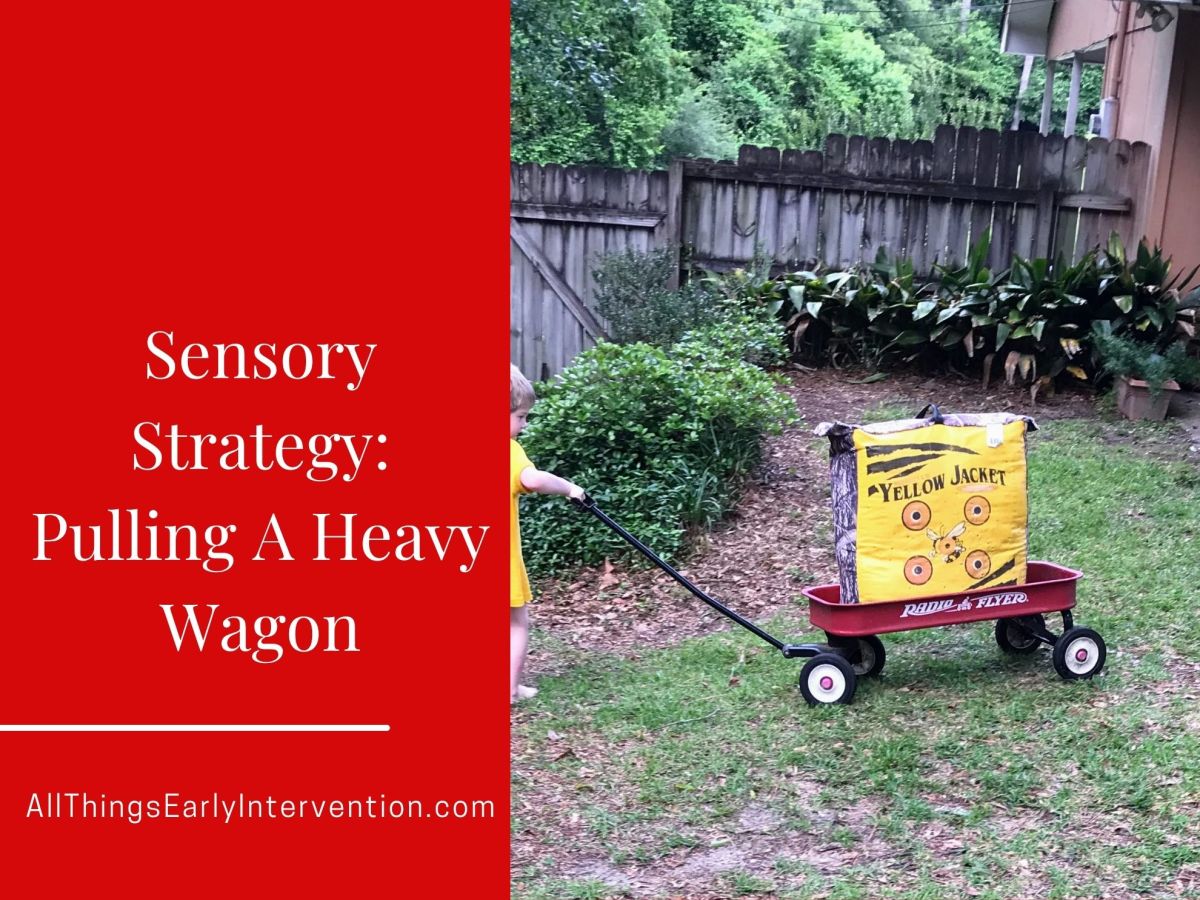
By the third or fourth trip, he was no longer waiting for us to ask. He was seeking out the wagon on his own. Pulling that massive weight seemed to wear out the “chaos” in his system, leaving him noticeably more calm and agreeable afterward.
 All Things Early Intervention
Christine Bellew loves teaching children, playing music and having fun. Her goal is to use playful teaching strategies to make doing hard things as fun as possible for parents and children of all abilities.
Christine and her husband Josh have three children that have provided loads of adventures. Their family has opened their home to serve as foster parents to children with special needs which adds to the adventure.
With a Master’s degree in Early Intervention, Christine started her career providing Early Intervention services as a Special Instructor and Service Coordinator.
Most recently Christine has branched out to teaching piano using creative teaching methods to serve children with a variety of learning needs. Music brings her and her students joy when she makes the learning fun and engaging.
Outside of work Christine enjoys watching Parks and Rec, doing puzzles and reorganizing her piano music.
By the third or fourth trip, he was no longer waiting for us to ask. He was seeking out the wagon on his own. Pulling that massive weight seemed to wear out the “chaos” in his system, leaving him noticeably more calm and agreeable afterward.
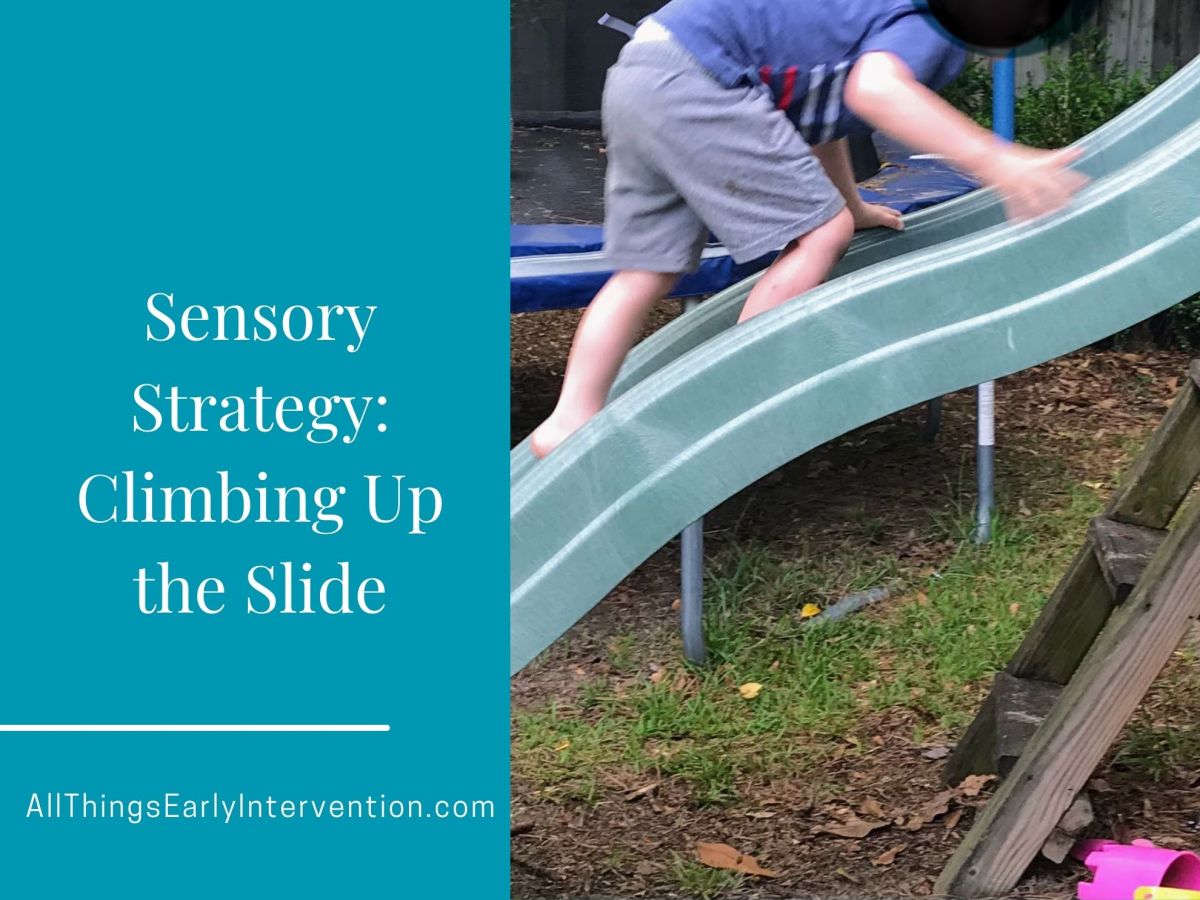
If you know a child who is a “sensory seeker” and needs intense input to feel regulated, climbing the slide can be a powerful tool for their development, provided it does not interfere with the safety or play of others.
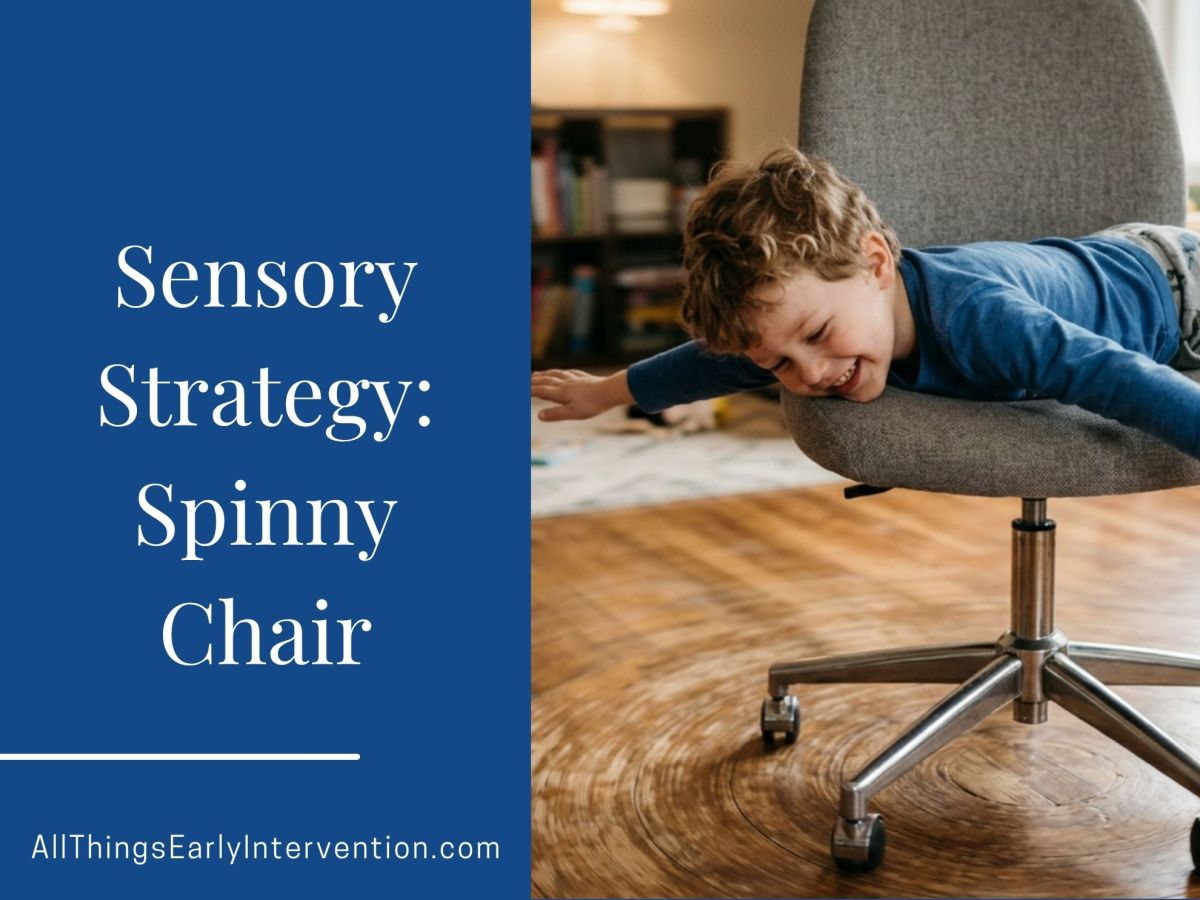
If you work with children who seem to be constantly seeking movement, you don’t always need specialized therapy equipment. You can include vestibular input in daily play using what you have:
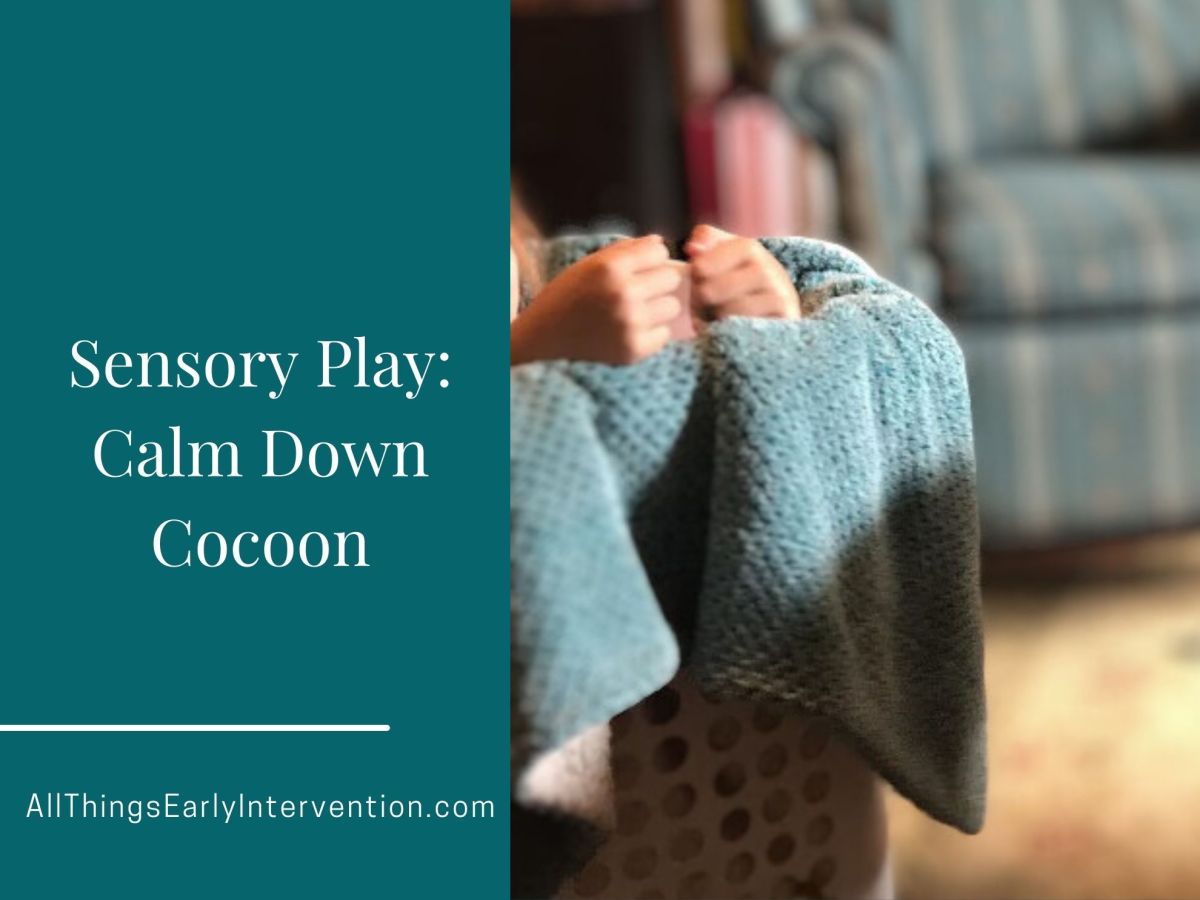
Combining this pressure with an enclosed space adds another layer of benefit. For children who struggle with body awareness or proprioception—the sense of where their body is in space—a small, contained area like a laundry basket or a box provides clear physical boundaries. This “mini-sensory room” helps the brain process where the body ends and the rest of the world begins, which can significantly lower a child’s state of arousal and reduce anxiety.
When we sit on a living room floor and coach a parent on how to engage in “serve and return” play, we are supporting responsive relationships. When we help a family establish routines or break down big developmental goals into small, manageable steps, we are strengthening core skills. And perhaps most importantly, by being a consistent, supportive presence and connecting families to resources that meet their basic needs, we are actively working to reduce sources of stress in their lives.
I’ve been fortunate enough to attend several conferences where Dr. Robin McWilliam shared his insights on early intervention and child development. At one session, he discussed a technique called the “Sit and Watch” procedure, designed for preschool settings. The concept immediately resonated with me. For years, I mentioned this strategy to parents and teachers, but […]
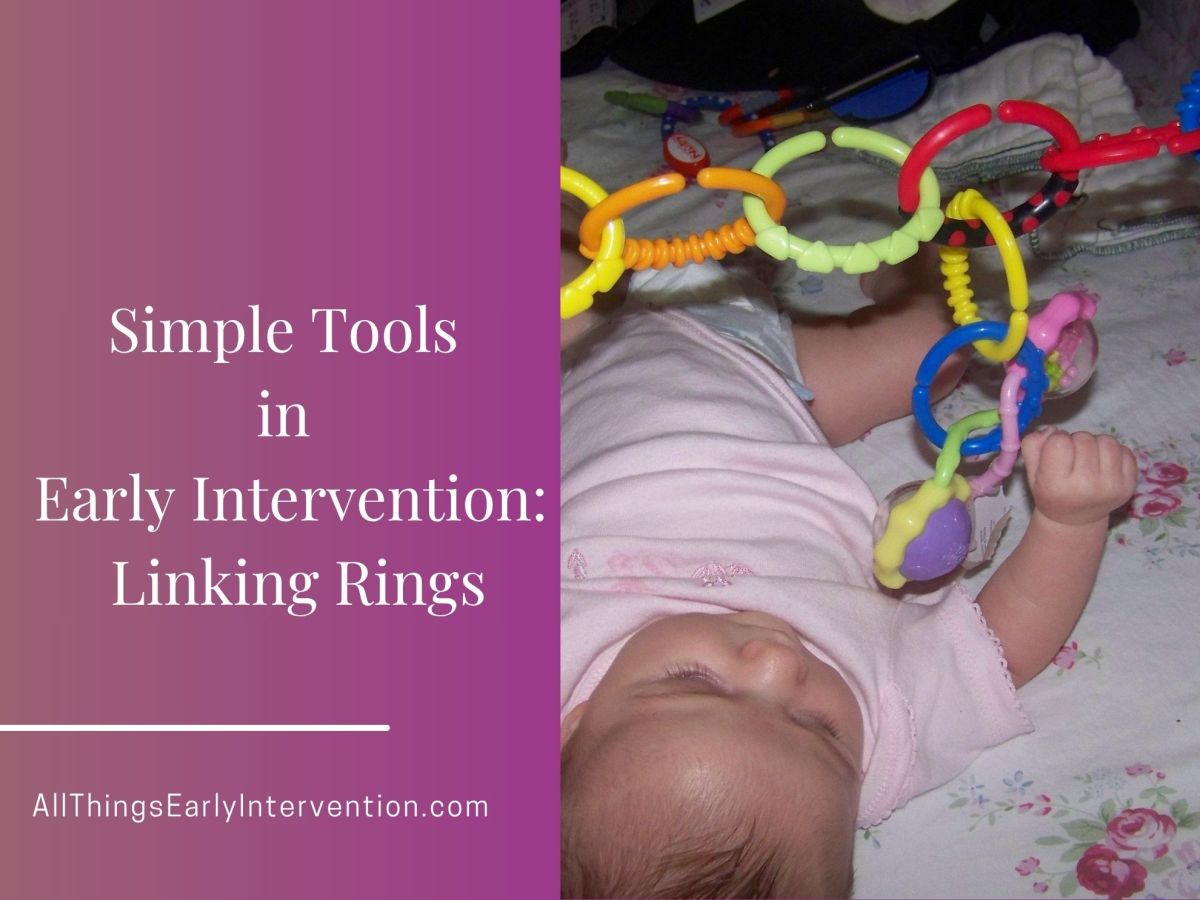
Linking rings really are the unsung heroes of on-the-go parenting, serving double duty as a useful parenting tool and as a open-ended toy for early intervention.
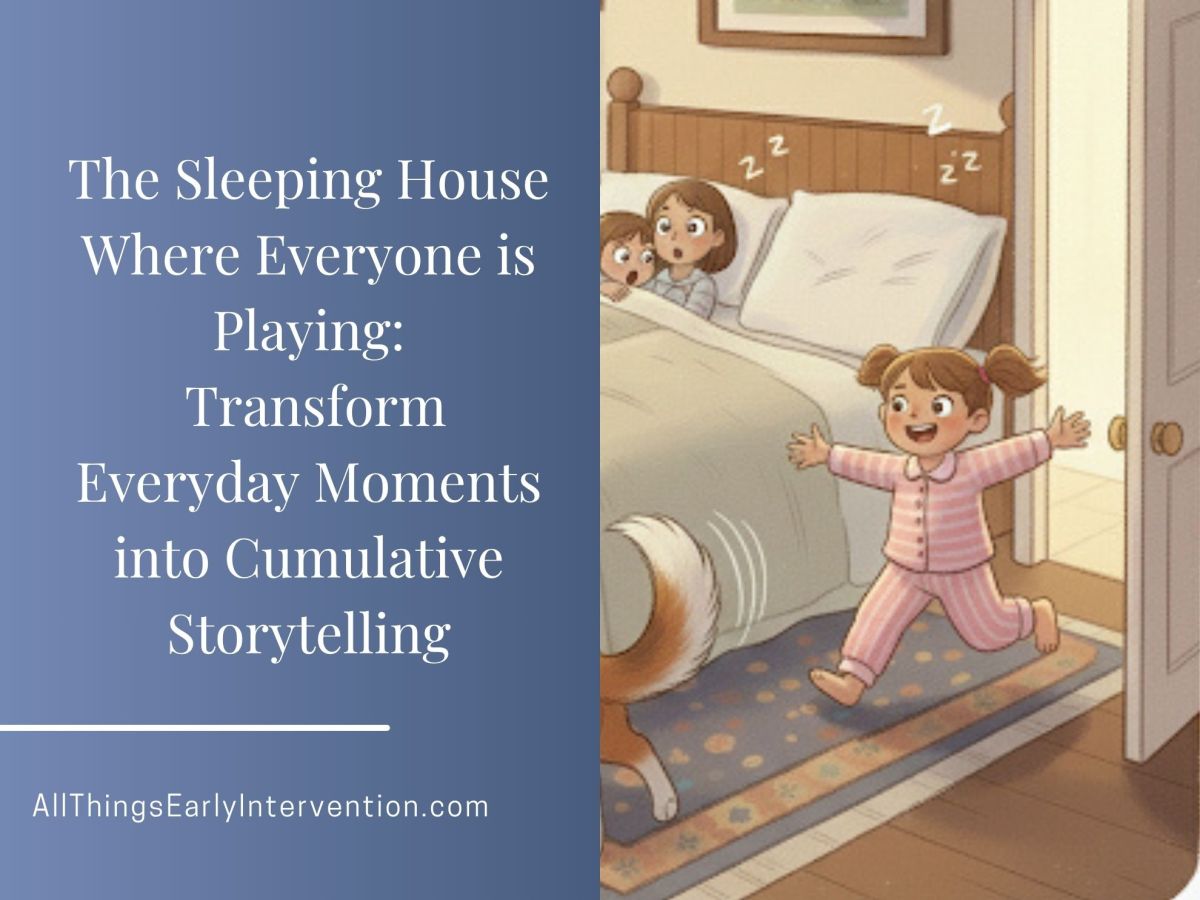
As an early childhood educator, I have always loved the sweet rhythm and pace of Audrey Wood’s The Napping House. This story is based on a true Saturday morning at our home. While it started with everyone cozy and dreaming, a single wagging tail set off a chain reaction that brought our “sleeping house” to life.
Building a strong, loving family bond doesn’t require elaborate vacations; it starts with simple, positive activities and intentional time spent together. Whether you are looking to boost your child’s development or simply reduce household stress, establishing a regular family game night or dinner tradition can make an almost instant difference.
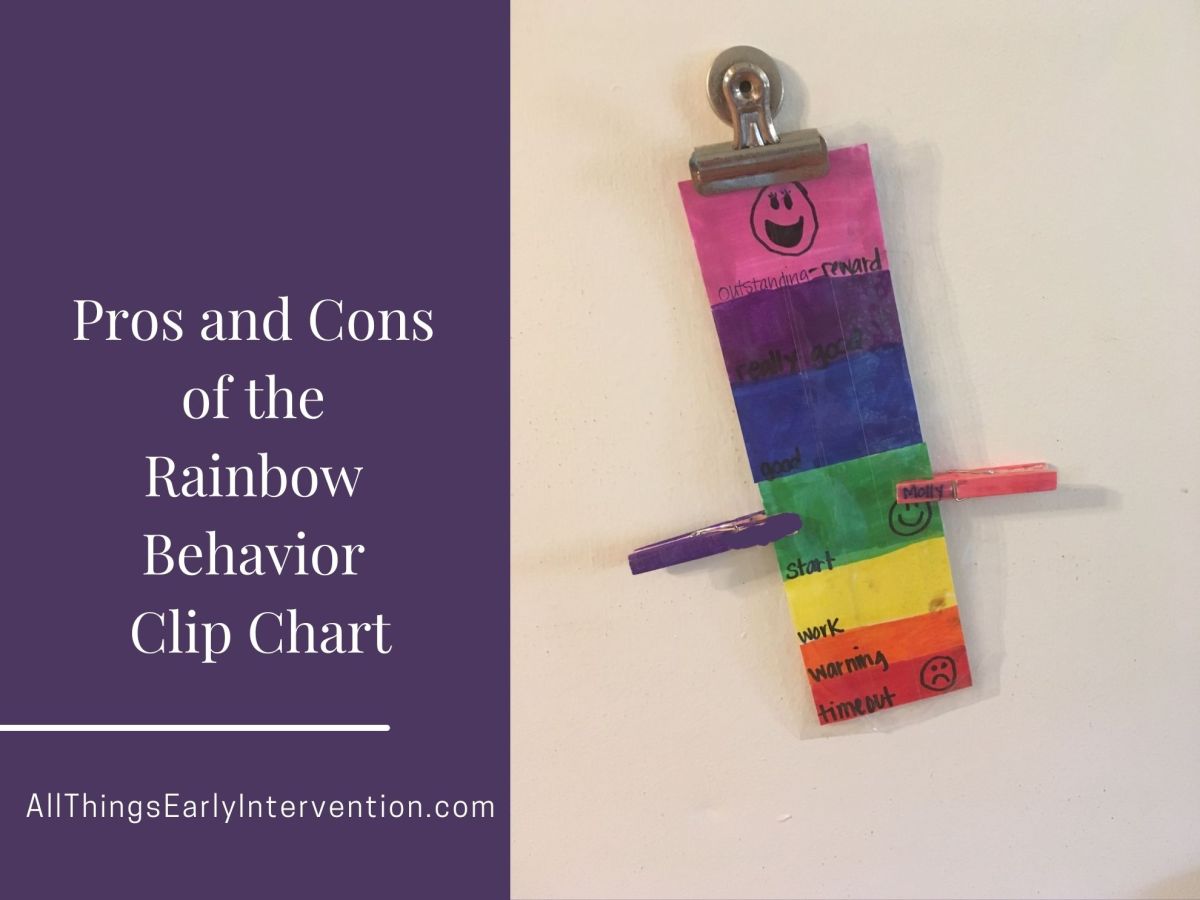
When I was in school, the system for managing behavior was simple, if harsh: write your name on the chalkboard, and check marks and a possible paddling would follow. Later, when I became a mother, my child’s kindergarten classroom (as well as everyone else’s) employed a color-coded traffic light chart. Everyone seemed to love this […]
Have a WordPress.com account? Log in now.

