My intent is to add more as I go. Do you have any other resources for Down Syndrome you’d like me to add? Are you blogging about your child with Down Syndrome? Let me know in the comments.

 All Things Early Intervention
Christine Bellew loves teaching children, playing music and having fun. Her goal is to use playful teaching strategies to make doing hard things as fun as possible for parents and children of all abilities.
Christine and her husband Josh have three children that have provided loads of adventures. Their family has opened their home to serve as foster parents to children with special needs which adds to the adventure.
With a Master’s degree in Early Intervention, Christine started her career providing Early Intervention services as a Special Instructor and Service Coordinator.
Most recently Christine has branched out to teaching piano using creative teaching methods to serve children with a variety of learning needs. Music brings her and her students joy when she makes the learning fun and engaging.
Outside of work Christine enjoys watching Parks and Rec, doing puzzles and reorganizing her piano music.
My intent is to add more as I go. Do you have any other resources for Down Syndrome you’d like me to add? Are you blogging about your child with Down Syndrome? Let me know in the comments.

If you are a working with young children with difficult behaviors, right away my piece of advice is simple: stop wasting your energy disciplining minor issues like “stay out of the fridge,” “don’t touch the garbage,” or “get down from there.”
That energy is better spent meeting the developmental needs and teaching appropriate behavior. In my family’s case we were trying to meet the emotional needs of all involved and learning how to be a new family.

When I need a high-motivation, movement-based activity for teaching the ability to follow simple one step verbal instructions, I turn to an old classic: “Teddy Bear, Teddy Bear, Turn Around!” When I start singing the song, the children know exactly what to do. It’s a joyful, musical cue that instantly gets them moving.

This experience forced a complete reassessment of our health protocols to move from general hygiene to strategic infection control. “Germs” is a non-medical term for microscopic organisms—bacteria, viruses, fungi, and protozoa—that cause disease. Children under seven are particularly vulnerable because they have immature immune systems and a natural tendency to put their hands and toys in their mouths.
It is important to clarify that a child with violent behavior due to neurological or sensory disorders is not intentionally abusing their parent. However, the emotional and psychological impact on the caregiver is strikingly similar to that of victims of intimate partner violence.
Some children just love to throw stuff, and it’s a powerful developmental drive. We don’t want to hurt people or break stuff, but constantly fighting a toddler with that impulse often leads to frustration for both the adult and the child.
Our immediate, instinct is to say, “Stop throwing stuff!” But what if we paused and changed that instruction. “Throw this, not that.”
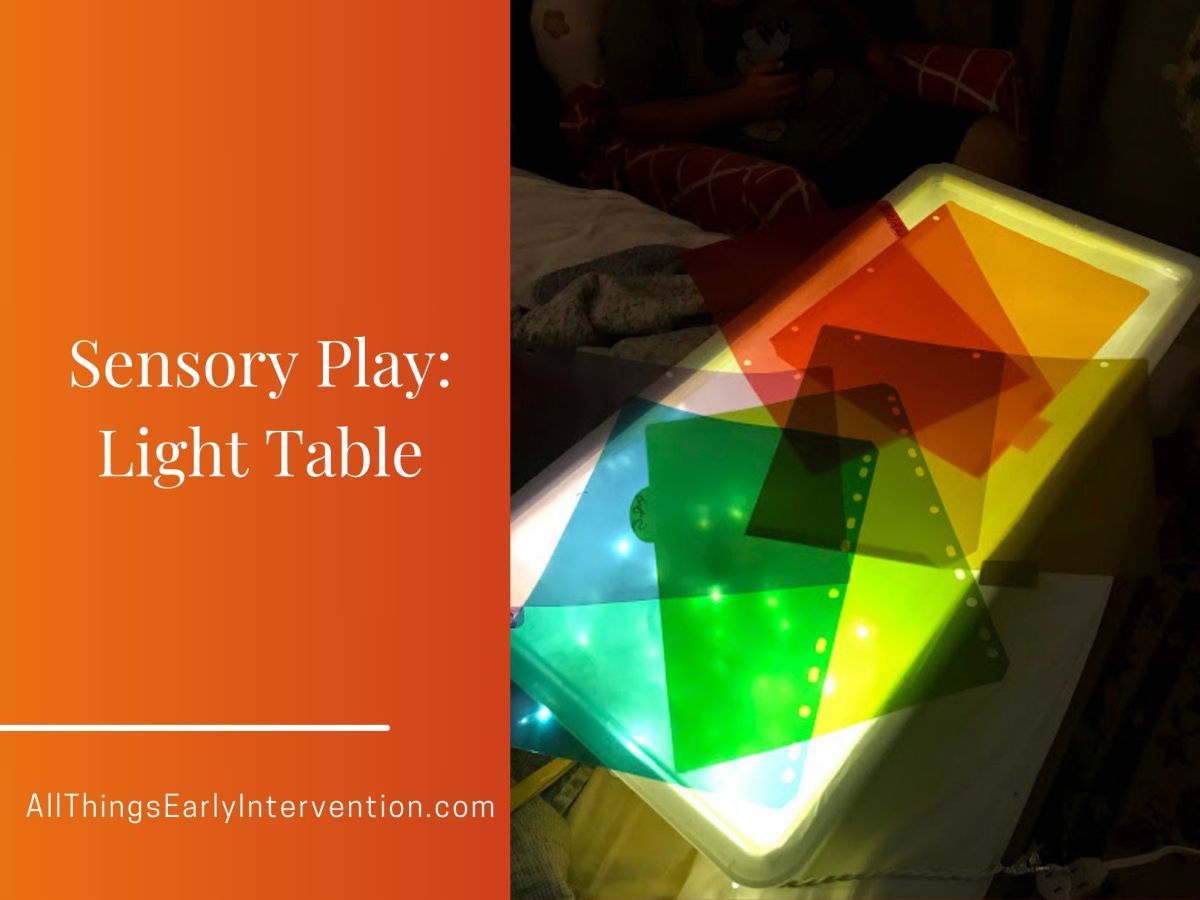
A DIY Light Table for Sensory Seekers I know what it feels like to be out of ideas. When our foster son entered our lives, he was a vibrant, intense sensory seeker. He needed high-octane input, often chewing on non-food items, bumping, crashing, and constantly moving. He struggled to settle and focus on quiet activities. […]
As a teacher and foster parent, I have seen biting behaviors resolve through team-based plans and specific strategies. When these strategies were consistently in place, the biting behavior disappeared. I realized that adults often want the child to simply “stop,” but the most effective interventions begin by changing the environment to reduce triggers like stress, boredom, or competition.
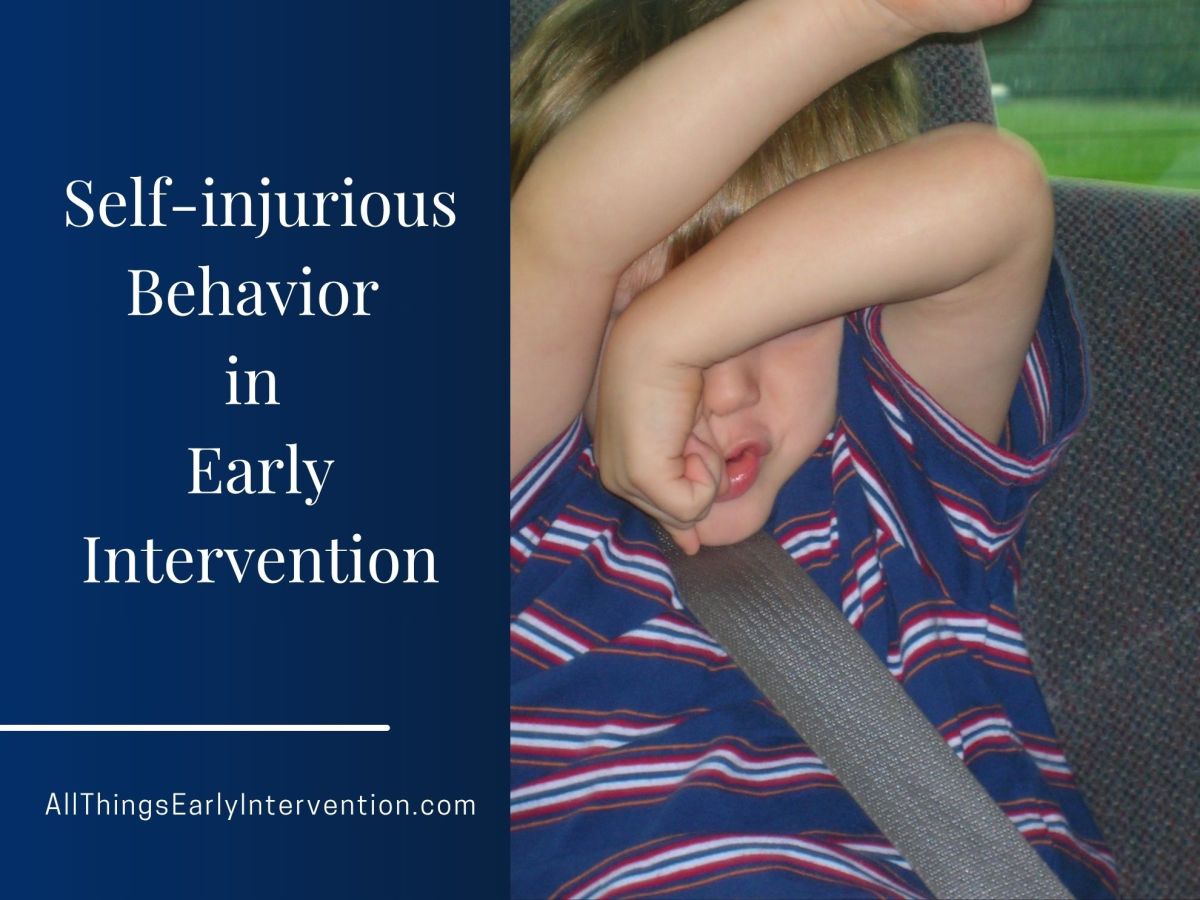
There is no one-size-fits-all solution for a small child hurting himself. It’s a difficult situation but it can improve over time. Early Intervention providers working with families going through this need to remember to be supportive and encourage them to focus on one thing at a time one day at a time.
It offered a fast, intense burst of movement followed by a moment of structured stillness. The older siblings could easily join in, and we could execute it anywhere—in a hallway, outside a restaurant, or even at the park—without needing any specialized equipment.
Have a WordPress.com account? Log in now.

