Whether you’re a parent, a professional, or both, like me, I hope you’ll find our experiences helpful. Everyone’s journey is unique, and I am here to offer encouragement.

 All Things Early Intervention
Christine Bellew loves teaching children, playing music and having fun. Her goal is to use playful teaching strategies to make doing hard things as fun as possible for parents and children of all abilities.
Christine and her husband Josh have three children that have provided loads of adventures. Their family has opened their home to serve as foster parents to children with special needs which adds to the adventure.
With a Master’s degree in Early Intervention, Christine started her career providing Early Intervention services as a Special Instructor and Service Coordinator.
Most recently Christine has branched out to teaching piano using creative teaching methods to serve children with a variety of learning needs. Music brings her and her students joy when she makes the learning fun and engaging.
Outside of work Christine enjoys watching Parks and Rec, doing puzzles and reorganizing her piano music.
Whether you’re a parent, a professional, or both, like me, I hope you’ll find our experiences helpful. Everyone’s journey is unique, and I am here to offer encouragement.

February 27 is National Strawberry Day! I had planned to share my “Pete the Cat and His White Shoes” early intervention learning activities, complete with some fun strawberry-themed ideas. And I still will, but something unexpected happened and I got a little sidetracked.

This activity is more than just fun; it’s a powerful tool for promoting joint attention, fostering creativity, and building fine motor strength. It’s a simple concept that can be modified to meet the unique needs of each child.

Allowing children to use safe knives is more than just a fun activity. It’s an opportunity for them to develop skills and explore their senses. By encouraging their involvement in food preparation, we’re creating enriching sensory experiences that will benefit them for years to come.

By connecting play into book sharing, we can make reading a more enjoyable and meaningful experience for even the most reluctant toddlers.

If you’re a teacher or early interventionist wanting to help children develop their language skills:
Use play-based activities that go along with the books you read. Whatever book it is!
Read the books over and over again.
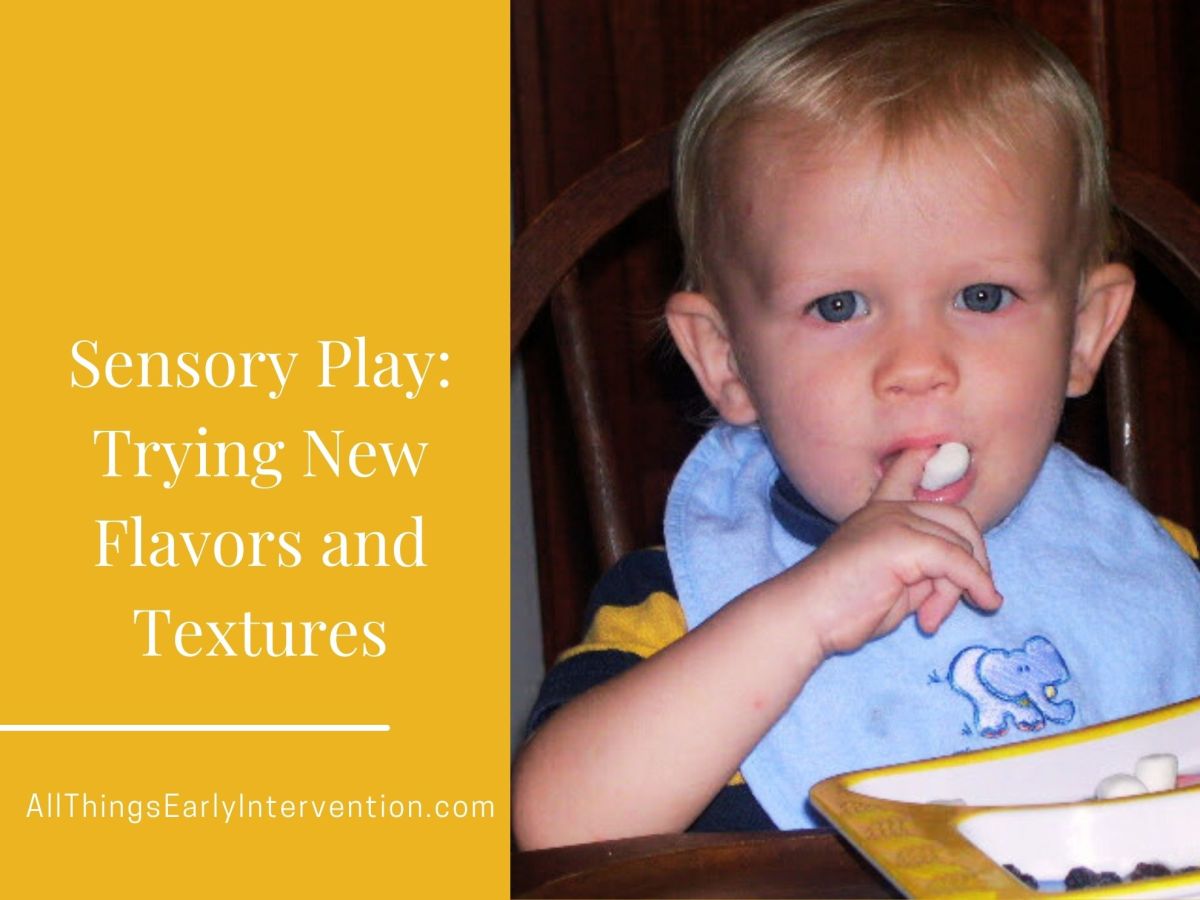
It’s not about creating elaborate sensory experiences every day. It’s about being mindful of the sensory opportunities that already exist and maximizing them. Encourage parents to embrace the mess, to slow down and allow their children to truly engage with their senses.

My own approach to dealing with challenging behavior is influenced by positive behavior support, social-emotional learning, and trauma-informed care. It is a hodgepodge of trial and error, and I’d love to share the stories with you.

A stern voice, or even the word “no,” would trigger meltdowns. Thankfully, I discovered the magic of Daniel Tiger’s Neighborhood, a children’s television show that offered practical solutions for navigating these situations.

Creating a safe space for him was a journey with uncertainties. While the effectiveness in calming him down was not always consistent, the times when it did work made all the effort worth it.
Have a WordPress.com account? Log in now.

