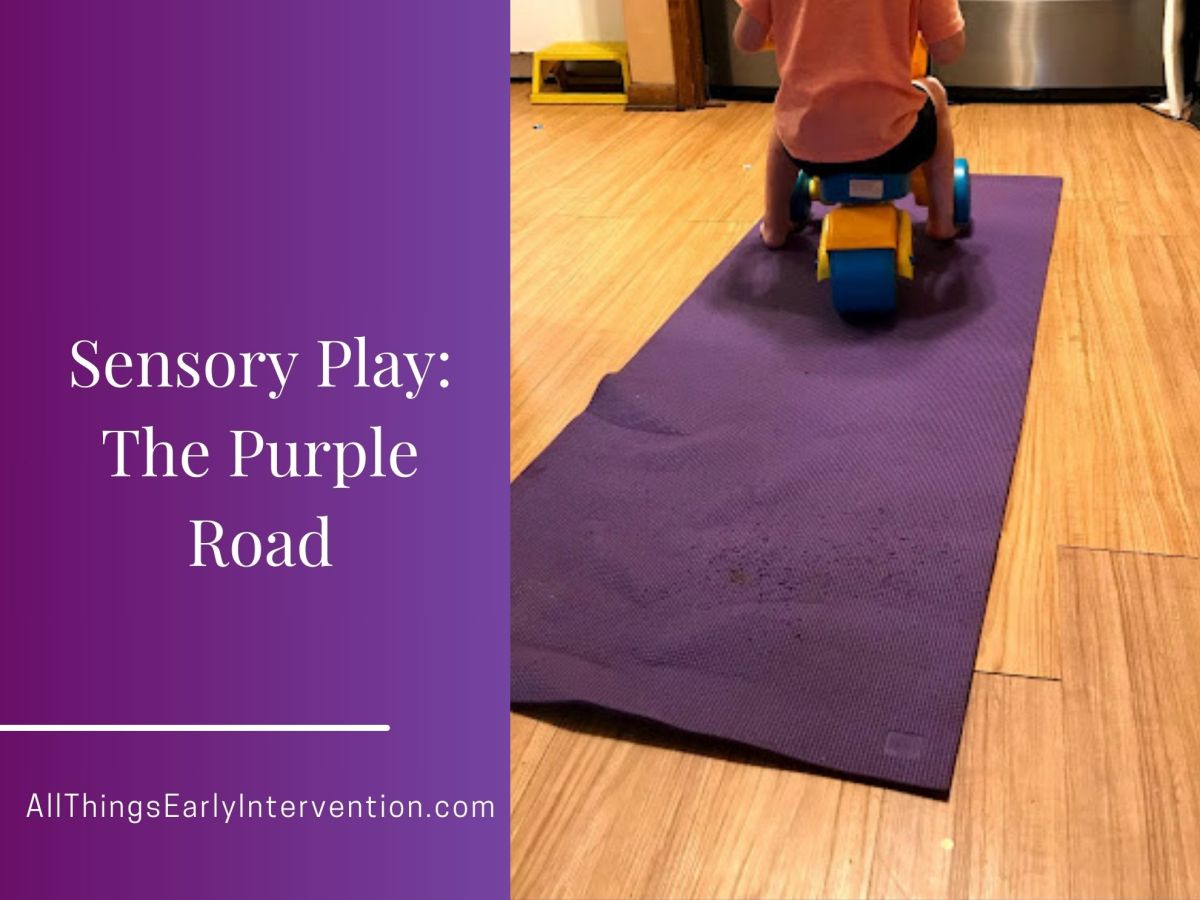
Sometimes, the most effective tools are the ones we already have. A simple yoga mat became a “purple road” to sensory regulation.
 All Things Early Intervention
Christine Bellew loves teaching children, playing music and having fun. Her goal is to use playful teaching strategies to make doing hard things as fun as possible for parents and children of all abilities.
Christine and her husband Josh have three children that have provided loads of adventures. Their family has opened their home to serve as foster parents to children with special needs which adds to the adventure.
With a Master’s degree in Early Intervention, Christine started her career providing Early Intervention services as a Special Instructor and Service Coordinator.
Most recently Christine has branched out to teaching piano using creative teaching methods to serve children with a variety of learning needs. Music brings her and her students joy when she makes the learning fun and engaging.
Outside of work Christine enjoys watching Parks and Rec, doing puzzles and reorganizing her piano music.
Sometimes, the most effective tools are the ones we already have. A simple yoga mat became a “purple road” to sensory regulation.

The cardboard box solution, a simple early intervention strategy, addressed several of his sensory needs and made a challenging situation much more manageable. It also underscores the many benefits of cardboard box play for children in general.
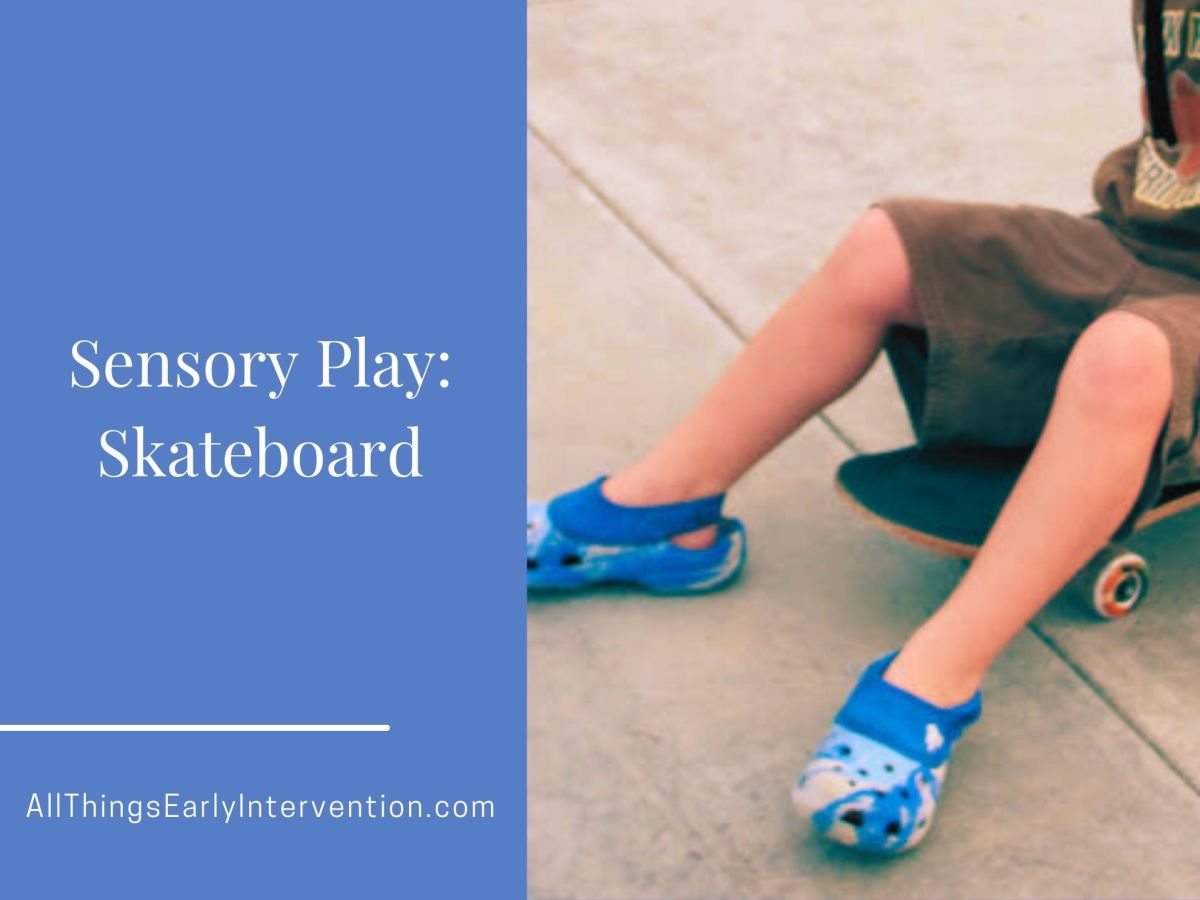
Scooter boards, or even a simple skateboard, can be part of a fun engaging play experience. They provide valuable opportunities to move, improve motor skills, and may help children feel more regulated. Remember, every child is unique, so adapt these activities to fit their needs.

Our son was a classic sensory seeker. He craved deep pressure and had difficulty self-regulating. By providing appropriate sensory feedback, we helped him find a sense of calm, particularly during sleep.
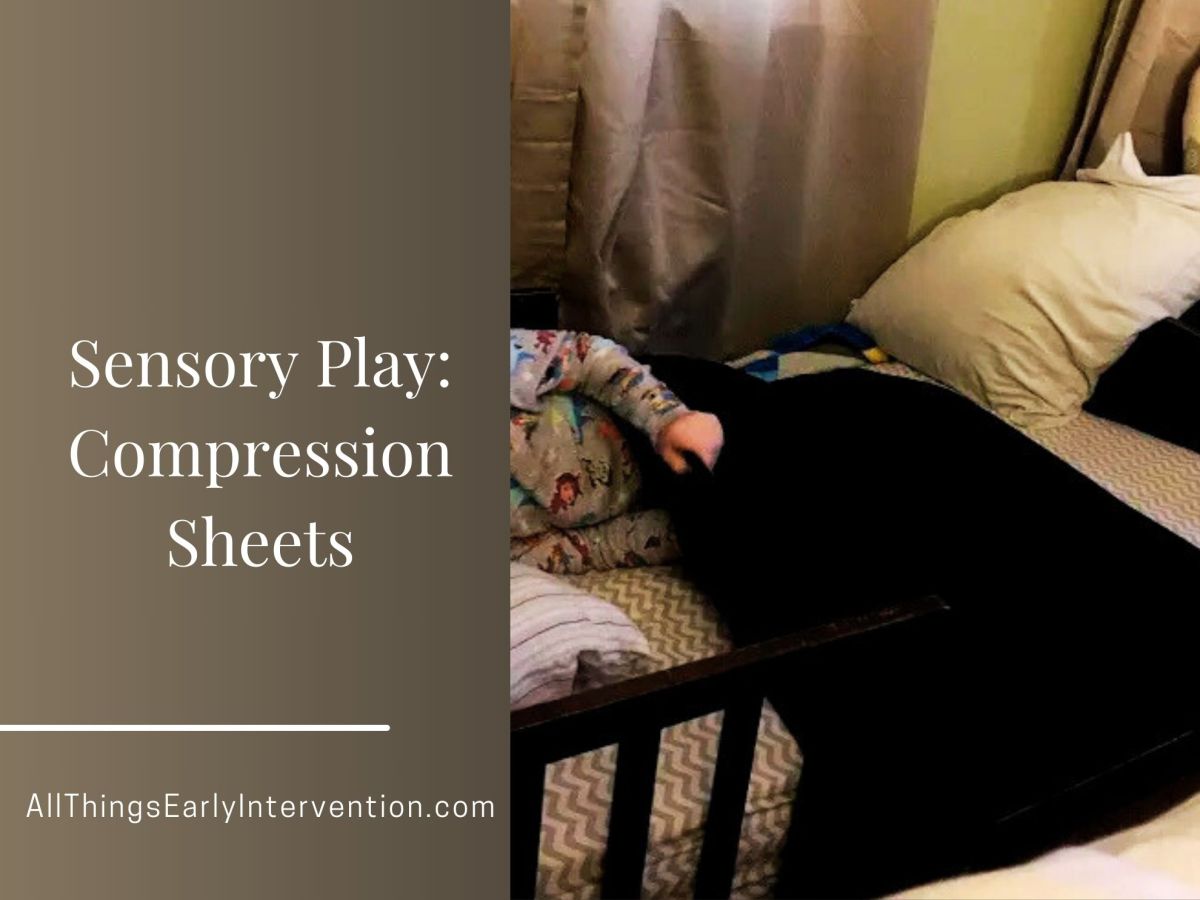
Now, the research on compression as a therapeutic tool is a bit mixed results. Some professionals swear by it, while others are less convinced. But, as we often say when we are sleep deprived and desperate, “It couldn’t hurt to try, right?” And boy, were we glad we did! It was awesome.
Non-profit organizations can be a source of support for families with special needs. Teach familiar how to evaluate a site’s trustworthiness so that they can make informed decisions. Remind parents that they are their child’s best advocate, and critical thinking is their most powerful tool.
What do you base your professional knowledge on? For me and this blog, I’m committed to everything I share coming from a blend two types of resources—personal stories and credible sources—to ensure every post is both genuine and supported by evidence.

We’re not here to give medical advice. We’re here to give parents the tools to seek the best medical advice.
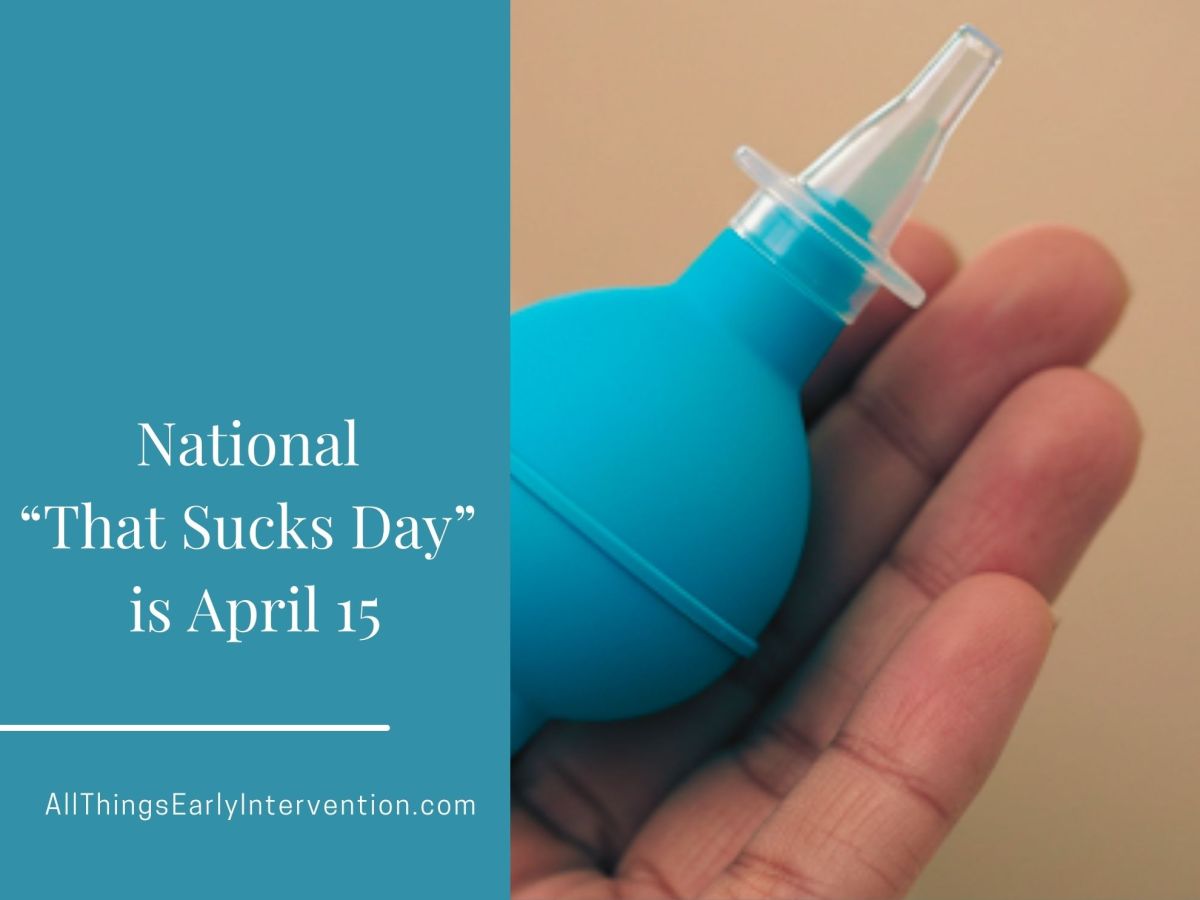
As parents and professionals, we know how important it is to keep our little ones comfortable. And sometimes, it’s the little things, like a working nasal aspirator, that make a big difference.
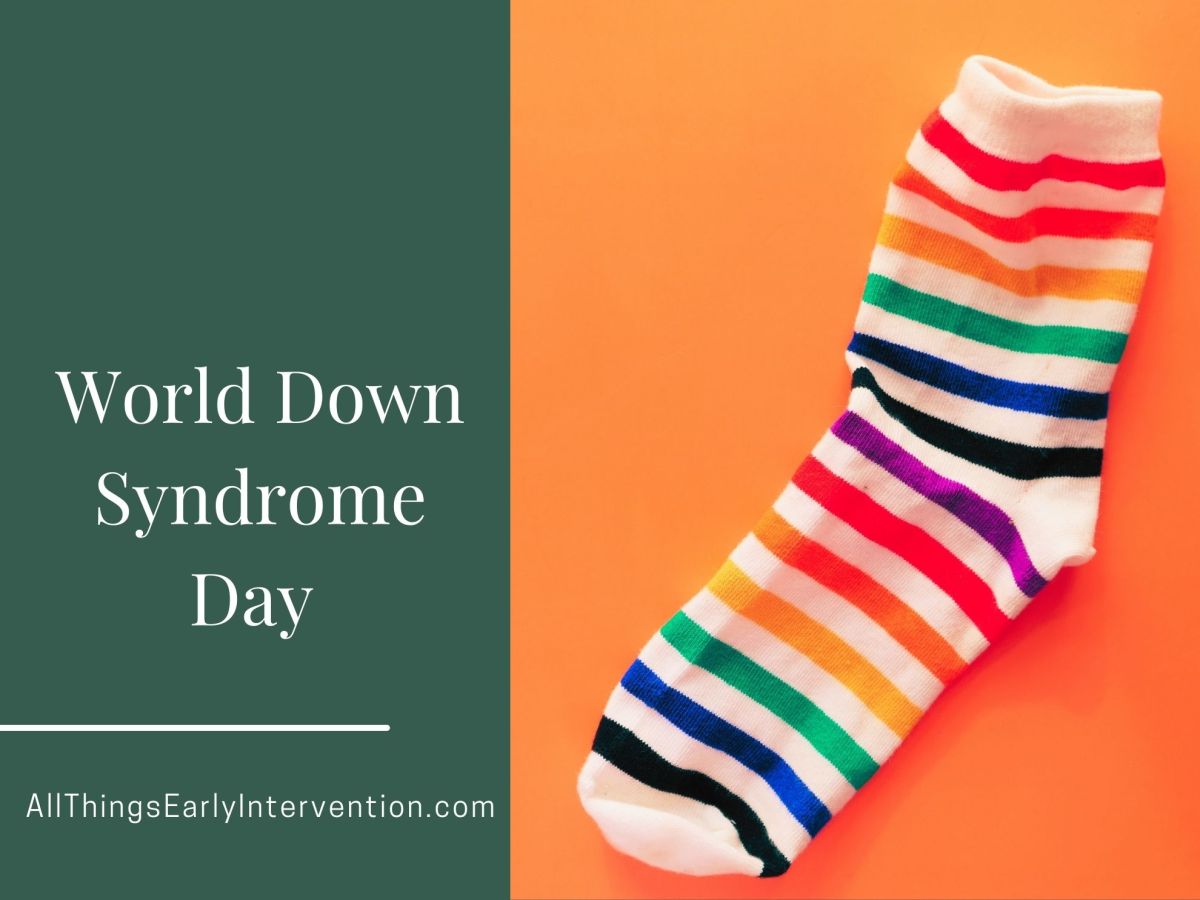
March 21st is World Down Syndrome Day, a day to celebrate diversity and inclusion by wearing mismatched, patterned socks, sparking conversations and raising awareness.
Have a WordPress.com account? Log in now.

