I cannot show pictures or use real names, but I can paint a picture of the challenges faced and solutions offered in the field of Early Intervention.

 All Things Early Intervention
Christine Bellew loves teaching children, playing music and having fun. Her goal is to use playful teaching strategies to make doing hard things as fun as possible for parents and children of all abilities.
Christine and her husband Josh have three children that have provided loads of adventures. Their family has opened their home to serve as foster parents to children with special needs which adds to the adventure.
With a Master’s degree in Early Intervention, Christine started her career providing Early Intervention services as a Special Instructor and Service Coordinator.
Most recently Christine has branched out to teaching piano using creative teaching methods to serve children with a variety of learning needs. Music brings her and her students joy when she makes the learning fun and engaging.
Outside of work Christine enjoys watching Parks and Rec, doing puzzles and reorganizing her piano music.
I cannot show pictures or use real names, but I can paint a picture of the challenges faced and solutions offered in the field of Early Intervention.

To my horror, he was covered in what appeared to be feces, gleefully playing with it. Panic set in as I navigated through traffic, desperately trying to find a safe place to pull over.
Jumping can be a powerful tool in our sensory toolkit. By understanding the science of it and incorporating it thoughtfully, we can help sensory-seeking children find regulation, improve their motor skills, and engage more fully in their world.
Sensory seekers may naturally seek out various sensory experiences, but it’s crucial to guide them toward appropriate and regulating activities. Often, this means prioritizing proprioceptive feedback through heavy work.
My experience reminded me that sensory input doesn’t always have to be about high-energy stimulation. Nature scenes, whether real or simulated, can offer a gentle, calming alternative. This aligns with the research, which emphasizes the stress-reducing effects of nature.

We tried all sorts of heavy work activities, and one that really stood out was the sensory body sock. It was like magic! He’d climb in, push against the stretchy fabric, and… instant calm. It gave me peace to see his little body find some peace.
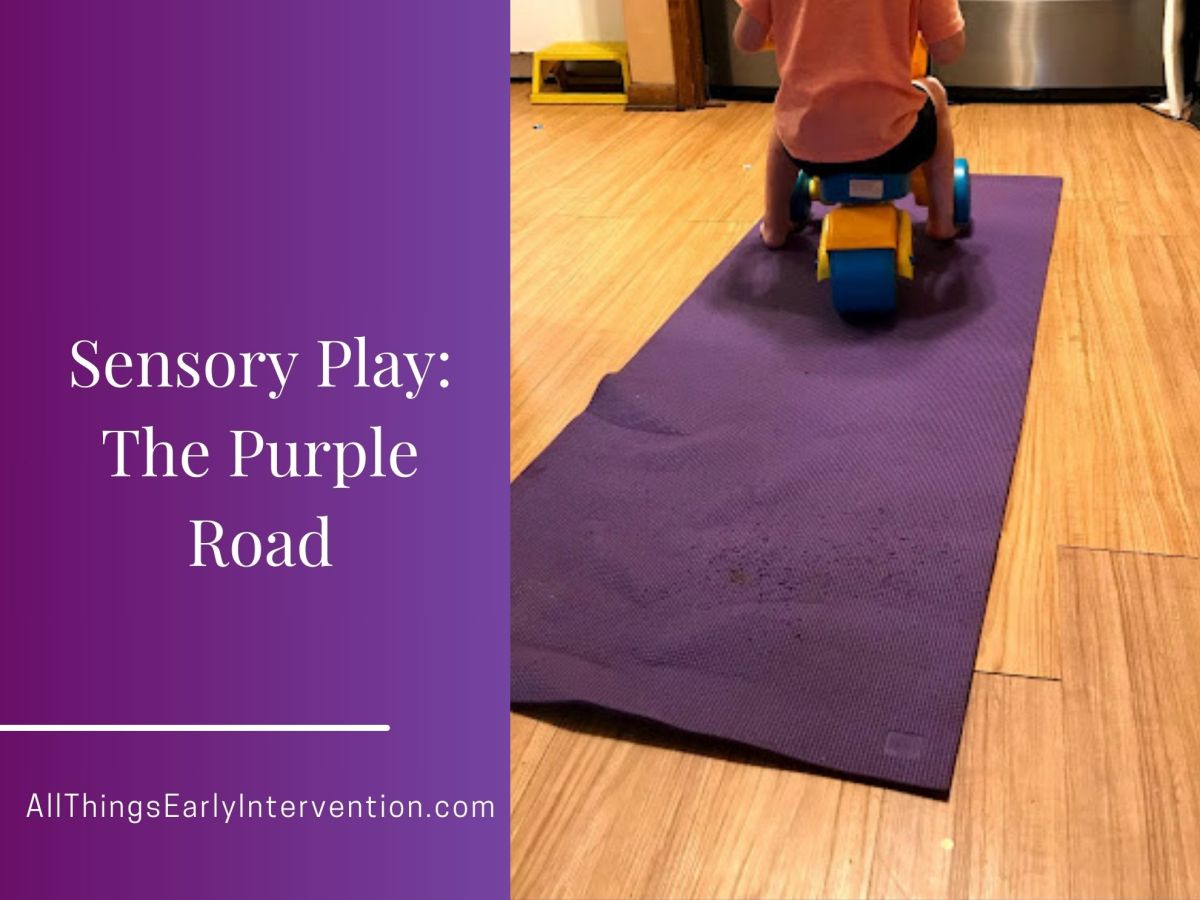
Sometimes, the most effective tools are the ones we already have. A simple yoga mat became a “purple road” to sensory regulation for Little Monkey.

The cardboard box solution, a simple early intervention strategy, addressed several of his sensory needs and made a challenging situation much more manageable. It also underscores the many benefits of cardboard box play for children in general.
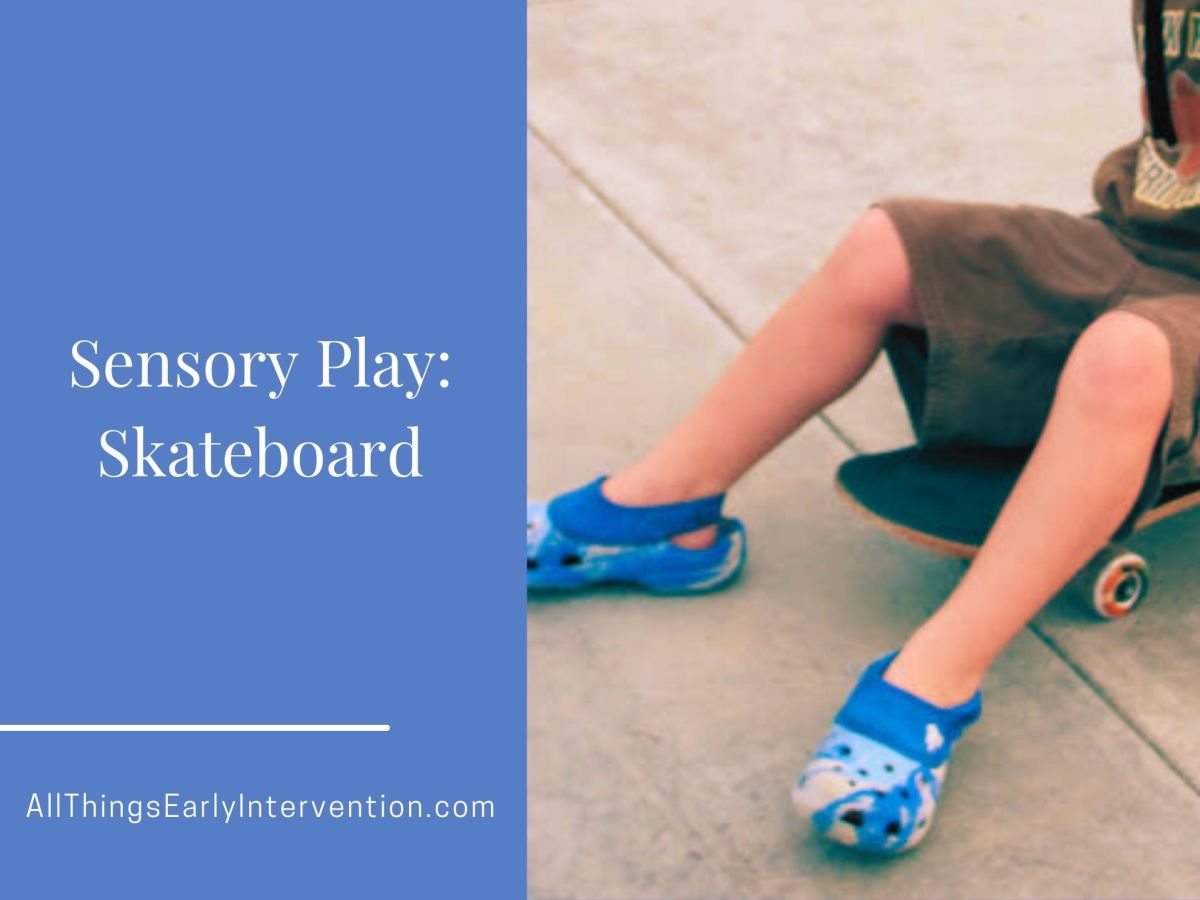
Scooter boards, or even a simple skateboard, can be part of a fun engaging play experience. They provide valuable opportunities to move, improve motor skills, and may help children feel more regulated. Remember, every child is unique, so adapt these activities to fit their needs.

“Little monkey” was a classic sensory seeker. He craved deep pressure and had difficulty self-regulating. By providing appropriate sensory feedback, we helped him find a sense of calm, particularly during sleep.

 All Things Early Intervention