
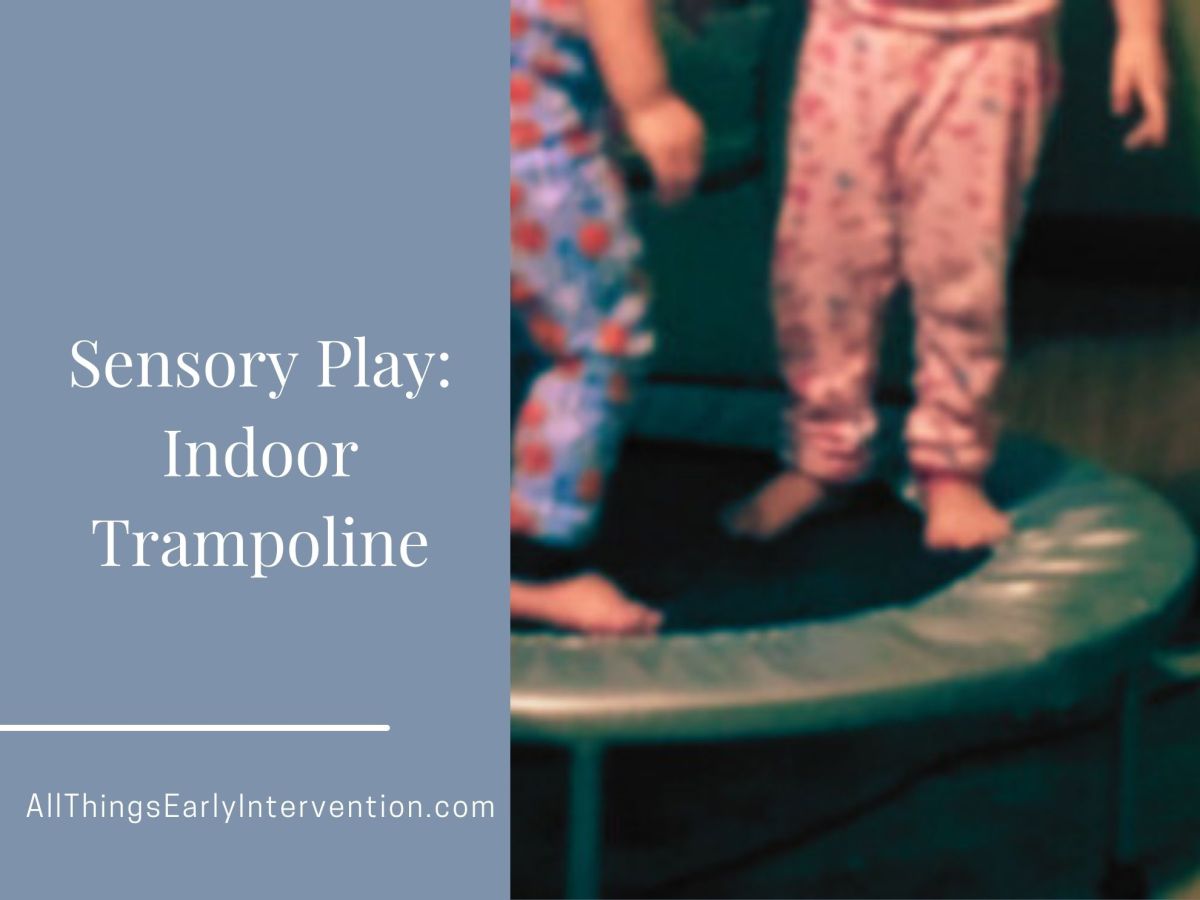
We all have those kids who just. Can’t. Stop. Moving. They’re climbing, running, bouncing – sensory seekers, through and through. We fostered one little guy who seemed to be in constant motion. It was challenging, but it also led me to explore some really effective strategies, particularly using jumping.
This child, we call him Little Monkey, was a sensory seeker in the truest sense. He explored his world by moving through it, and sometimes, it felt like he was trying to move through the walls! Transitions were tough and sitting still was nearly impossible. Through observation and collaboration with his OT, we discovered that jumping was a useful strategy for him. It helped him focus, organize himself, and get the sensory input he needed.

The Theory of the Jumping
So, why does jumping work so well for sensory seekers? Sensory Integration Theory claims it’s all about that proprioceptive input.
- Heavy work and proprioception: Heavy work involves activities that require muscle effort, which activates the proprioceptive system. This system is engaged through movements like pushing, pulling, lifting, or carrying. Jumping too!
- Sensory regulation: Proprioceptive input from heavy work helps to calm and regulate the sensory system. It can help to organize a dysregulated nervous system. That’s exactly what we saw with our little one.
- Jumping as heavy work: Jumping is a good example of heavy work. It provides input through the hips, knees, and feet. It’s a powerful way to engage those big muscle groups and provide that grounding sensation sensory seekers crave. Read more about how OT’s use heavy work at OT Toolbox.
Research is Mixed
- Even though research of the benefits of Sensory Based Intervention is limited and conflicting, ( Zoghbi et al., 2021) there is reason to be optimistic as research continues to be done.
- Abdel & Mohammed, 2015 found that jumping, along with other heavy work activities providing proprioceptive input, was part of the effective treatment program designed to help children become more independent and participate in everyday activities.
- Hardy and Lagasse, 2013 propose that using Auditory Rhythmic Cueing (like a metronome) could be used to improve motor functioning and sensorimotor regulation in individuals with ASD, potentially unlocking improvements in social, communicative, and behavioral skills.
Rhythmic Jumping Practical Tips
Here are some ways we incorporated jumping into Little Monkey’s day, which you might find helpful.
- Make it rhythmic: For Little Monkey, adding a song was helpful. When we used jumping as a calming strategy, we paired it with the ABC song because it was his favorite song. It also provided a start and a stop point as well as a steady beat.
- Create safe jumping zones: We designated safe spaces for jumping. For example we encouraged him to jump on an extra crib mattress, in the living room. We also had a mini-trampoline. I made sure we had extra throw pillows to create a soft crash pad.
- Variety is key: Jumping activities could also include doing jumping jacks, rocket jumps, or star jumps, and other jumping games. We mixed it up to keep him engaged.
Providing rhythmic jumping opportunities was an appropriate solution for our little guy because he had sensory seeking behaviors.
Jumping to the beat is a simple play activity that’s worth a try!
Try Rhythmic Jumping
Jumping can be a powerful tool in our sensory toolkit. By understanding the science of it and incorporating it thoughtfully, we can help sensory-seeking children find regulation, improve their motor skills, and engage more fully in their world.
What are your favorite ways to incorporate movement and heavy work into your sessions? Share your ideas in the comments below!
Amazon Trampolines
As an Amazon Associate, I earn on qualifying purchases.



References
The OT Toolbox
Beck, C. (2025, July 7). Heavy work activities. The OT Toolbox.https://www.theottoolbox.com/heavy-work-activities/
Zoghbi et al., 2021
Abdel & Mohammed, 2015
Hardy & LaGasse, 2013
Sensory Integration Theory Article
 All Things Early Intervention
One reply on “Sensory Play: Jumping on the Indoor Trampoline”
[…] For example, If you offer your child a trampoline to play on, he is less likely to jump on the couch. Read about that here. […]
LikeLike