
As Early Intervention providers, we’re tasked with finding creative solutions that support development while respecting individual sensitivities. Today, I want to share our experience that led me to learn of the calming influence of aquariums.
The Calming Sensory Input from an Aquarium
“Little Monkey” was a sensory seeker, constantly craving stimulation. This presented a challenge for me, as I myself am prone to over stimulation. Finding a balance was rough. I needed to provide visual input without triggering auditory overload for myself.
One day, I decided to try a cute realistic aquarium screensaver on our TV. It was a revelation. Off and on during the day in between TV shows, the gently swaying fish and vibrant colors provided the perfect level of visual stimulation. It was engaging, but not overwhelming, for both of us.
The Science of Nature’s Calming Benefits
This led me to explore why the aquarium was so relaxing. I learned that studies show that both viewing and listening to nature scenes can promote relaxation and reduce stress. As the research of Jo et al. (2019) states,
“Contact with nature has been proposed as a solution to achieve physiological relaxation and stress recovery, and a number of scientific verification outcomes have been shown…. A variety of physiological indicators adopted for use in indoor experiments have shown the benefits of viewing nature”
Research on the Physiological Effects of Viewing Nature
Calming Nature Scenes in Action
The Virtual Calming Room offered by Corona-Norco Unified School District (CNUSD) is an example of this practice in action, providing nature videos and sounds for moments of peace. As they describe it,
“Immerse yourself in a calming visual experience with our collection of nature videos, soothing animal clips, and peaceful imagery. Perfect for individuals seeking a mental reset, these videos are designed to help reduce stress, promote focus, and create a sense of peace anytime during the day.”
Corona-Norco Unified School District (CNUSD)
For a different vibe, Hey Bear Sensory also creates sensory-rich videos for children, some with nature themes, like aquarium one.
“Hey Bear Sensory was born out of a desire to create meaningful, sensory-based content for children, rooted in the personal experiences of its founders Wayne and Lucie… The result is a collection of engaging, parent-approved content that offers a brief respite in the hectic world of parenting.”
Hey Bear Sensory
And it’s not just nature visuals; the sounds of nature have a powerful calming effect.
According to Lee et al. (2023), results exposure to nature sounds compared to urban sounds led to lower stress indicators and improved psychological states.
“Once participants heard nature sound, they felt more comfortable, relaxed, and natural, and the negative mood state was lower, while the positive mood state was higher than urban sound. This suggests that hearing nature sounds may be an effective way to relieve stress in everyday life.”
The impact of ambient noise and music on physiological and psychological stress responses (Lee et al. , 2023)
Bridging Experience and Research to Find Sensory Calm
My experience with Little Monkey reminded me that sensory input doesn’t always have to be about high-energy stimulation. Nature scenes, whether real or simulated, can offer a gentle, calming alternative.
Enjoying the Benefits of Nature Sounds
Here are some practical ways to bring nature’s calming influence into your routines:
- Embrace the Outdoors: Encourage time in nature, even if it’s just a short walk in a park.
- Nature Videos: Nature-based videos on YouTube or DVDs for calming visual and auditory input.
- Nature Decor: Display nature images or indoor plants to create a soothing environment.
- TV Screensavers: Nature-themed screensavers for an instant calming effect.
Sharing the Calm
As early intervention providers, we have the opportunity to help families discover unique yet simple tools for sensory regulation. Nature, with its calming visuals and sounds, is one such tool. I encourage you to share these insights with the families you serve. What are your experiences with using nature for sensory regulation? Share your thoughts and tips in the comments below!
Aquariums on Amazon
As an Amazon Associate, I earn on qualifying purchases.



Aquarium DVD
References

More Sensory Play Posts
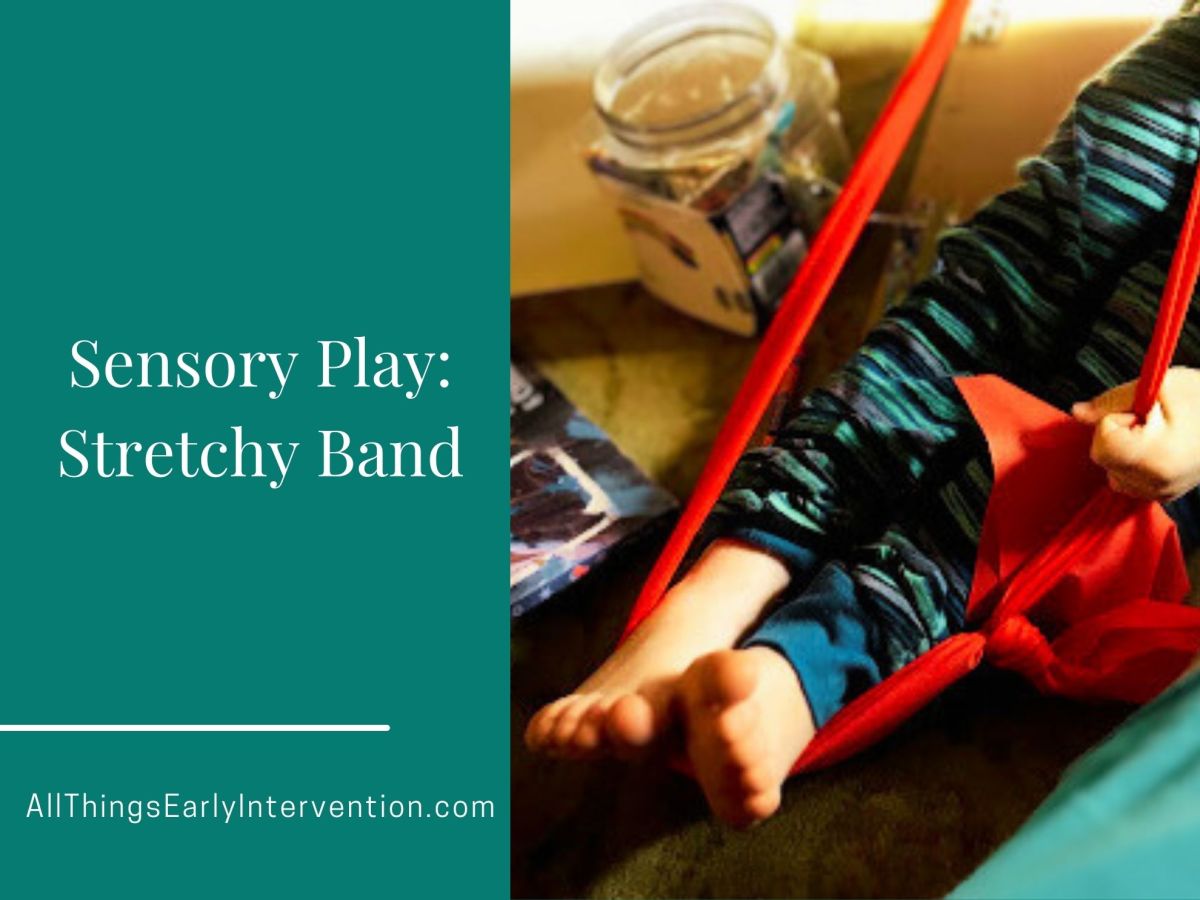
Sensory Play: Stretchy Bands
For a sensory-seeking child who is always looking for movement, if that movement comes in the form of a fun, voluntary activity—like using an elastic band to play with—that is an improvement.
Keep reading
Sensory Play: Bedtime Routine Part 2
Creating a peaceful bedtime routine for a child with sensory processing challenges takes time, patience, and experimentation. By understanding your child’s unique needs and incorporating sensory strategies, you can create a bedtime routine that promotes relaxation and sleep for everyone.
Keep readingSensory Seeker Bedtime Routine Part 1
We know that children with ASD experience sleep issues and challenging behaviors. Parents then experience stress, and then parent’s stress can worsen a child’s behavior problems. Therefore, effective stress management becomes a critical for both parent and child’s well-being.
Keep readingSomething went wrong. Please refresh the page and/or try again.
 All Things Early Intervention
One reply on “Sensory Play: A Calming Aquarium Scene”
[…] used brown noise and a calming screen saver to provide auditory and visual […]
LikeLike