We are not expected to be medical doctors, but we are expected to be informed team members. Utilizing these health libraries ensures our practice—and our resource sharing—is grounded in reliable information.
Remember, knowledge is power, and the CDC is a fantastic resource for anyone invested in the healthy development of all children.
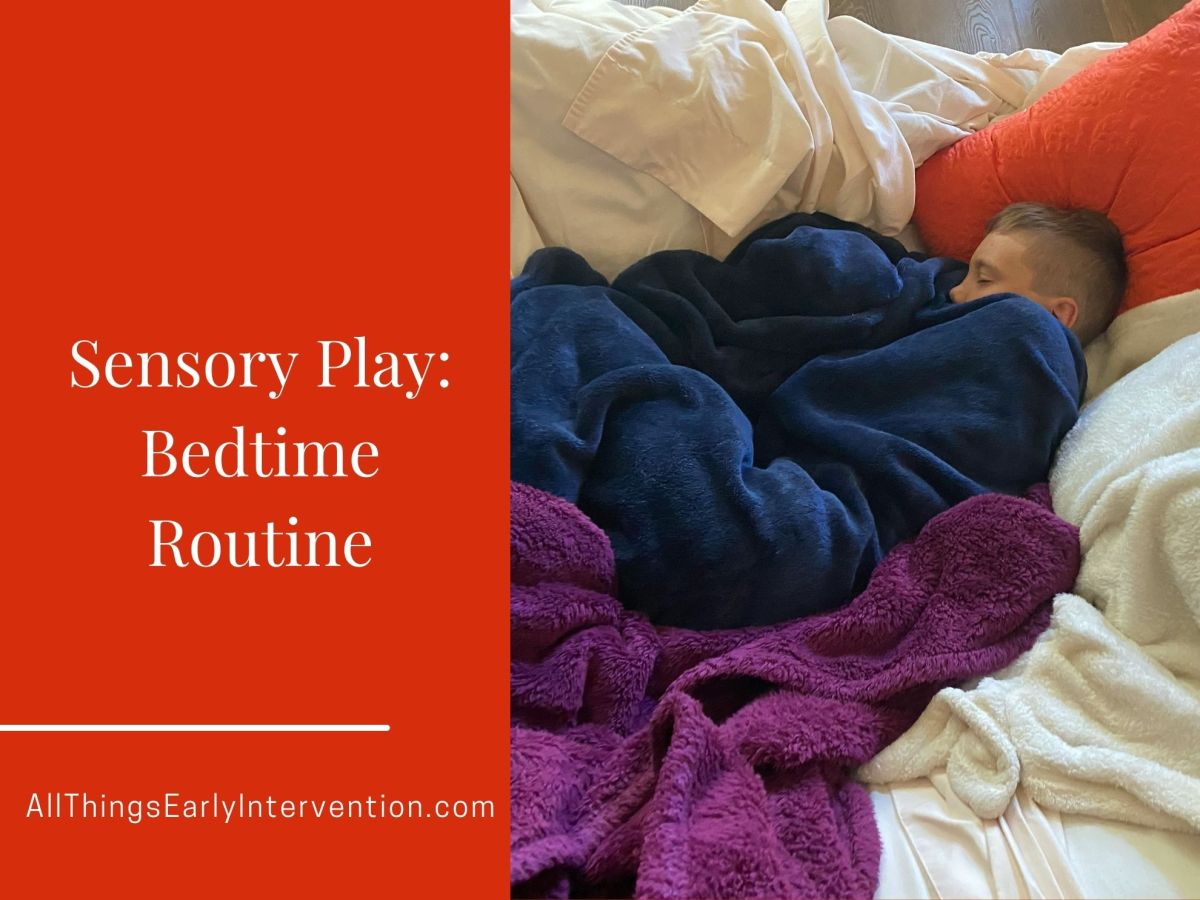
Creating a peaceful bedtime routine for a child with sensory processing challenges takes time, patience, and experimentation. By understanding your child’s unique needs and incorporating sensory strategies, you can create a bedtime routine that promotes relaxation and sleep for everyone.
We know that children with ASD experience sleep issues and challenging behaviors. Parents then experience stress, and then parent’s stress can worsen a child’s behavior problems. Therefore, effective stress management becomes a critical for both parent and child’s well-being.
The parents’ faces lit up! Seeing the skill in action made the milestone tangible and understandable. It wasn’t just words anymore; it was a real-life demonstration.
I find these videos incredibly helpful, not only for showcasing current skills but also for providing a visual preview of what to expect next.
The most important lesson I learned is that prevention is key. When your child is actively escaping their car seat while you’re driving, you’re helpless. Focus on creating an environment that minimizes the likelihood of escape.
To my horror, he was covered in what appeared to be feces, gleefully playing with it. Panic set in as I navigated through traffic, desperately trying to find a safe place to pull over.
Jumping can be a powerful tool in our sensory toolkit. By understanding the science of it and incorporating it thoughtfully, we can help sensory-seeking children find regulation, improve their motor skills, and engage more fully in their world.
Sensory seekers may naturally seek out various sensory experiences, but it’s crucial to guide them toward appropriate and regulating activities. Often, this means prioritizing proprioceptive feedback through heavy work.
My experience reminded me that sensory input doesn’t always have to be about high-energy stimulation. Nature scenes, whether real or simulated, can offer a gentle, calming alternative. This aligns with the research, which emphasizes the stress-reducing effects of nature.