Language starts long before the first word is spoken; it begins with awareness, body movement, and imitation. The mirror is so powerful because it provides immediate visual feedback—a principle supported by speech-language research.

 All Things Early Intervention
Language starts long before the first word is spoken; it begins with awareness, body movement, and imitation. The mirror is so powerful because it provides immediate visual feedback—a principle supported by speech-language research.

This activity is more than just fun; it’s a powerful tool for promoting joint attention, fostering creativity, and building fine motor strength. It’s a simple concept that can be modified to meet the unique needs of each child.

Allowing children to use safe knives is more than just a fun activity. It’s an opportunity for them to develop skills and explore their senses. By encouraging their involvement in food preparation, we’re creating enriching sensory experiences that will benefit them for years to come.

Let’s celebrate Owl Awareness Day by telling a story of my favorite owl toy, “Tipsy” from Discovery Toys.

Remember that you, the parent, are your child’s best toy to encourage talking. Playing with you is the best way to increase interactions that lead to talking. When choosing toys, be sure to stick to the basics, include some “people toys” and help your child use her imagination.

In Early Intervention, our job is to find that delicate balance between letting the child explore independently and gently guiding them to the next skill. We can root this “gentle dance” in two foundational learning theories
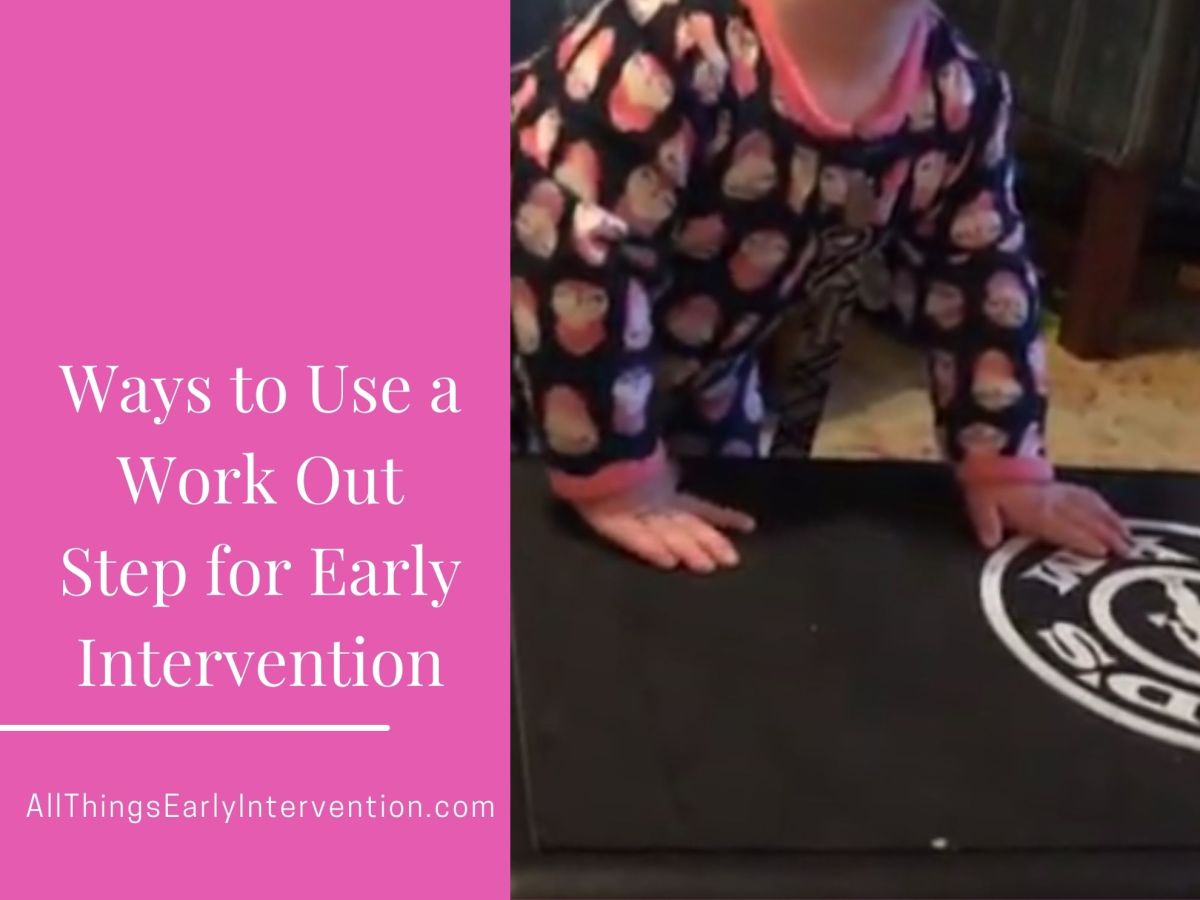
Every home has its own stuff. Learning how to use what you have to teach babies in their natural environment can be a creative puzzle.
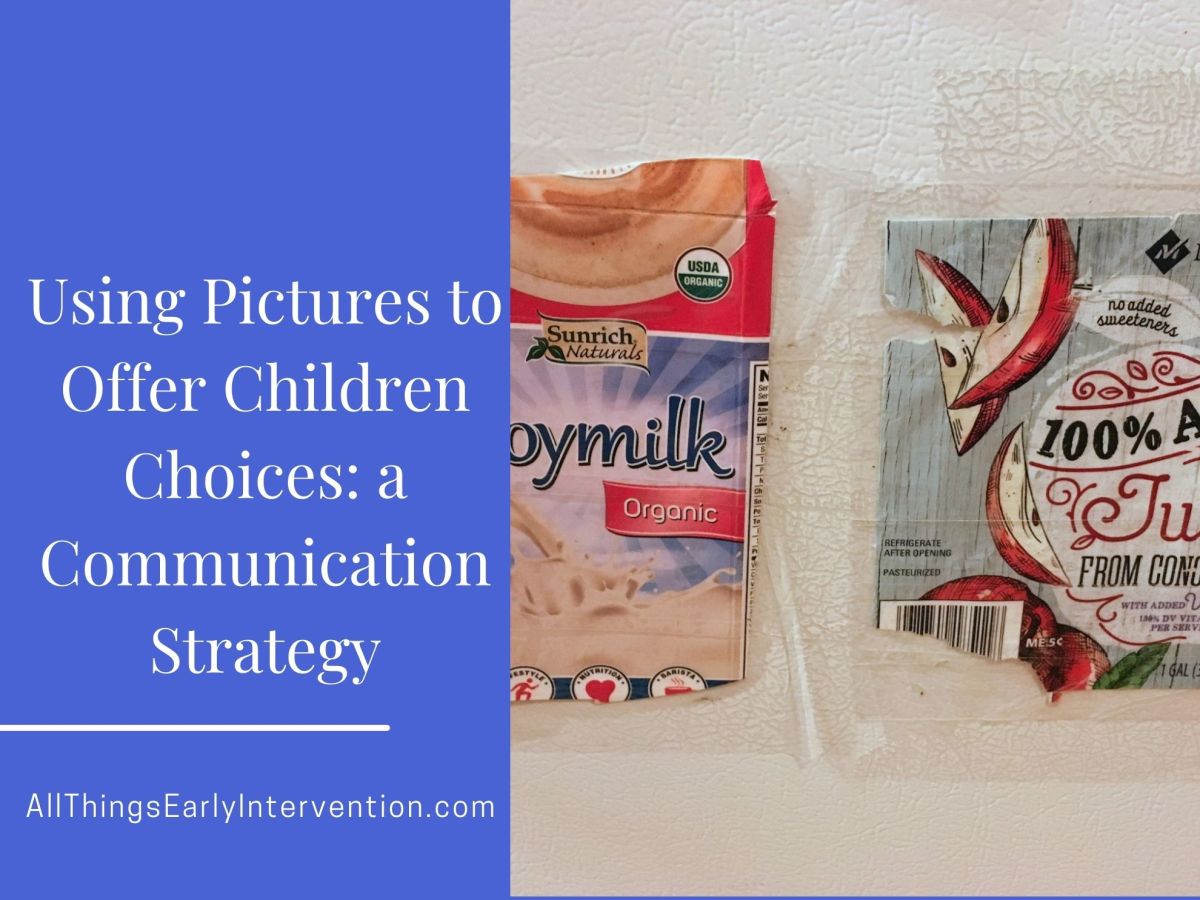
It takes some experimenting to find a strategy that works. One strategy that I try early on is using a picture, an object, or a sign/gesture to bridge the gap in communication.

My instinct to guard glue stick caps comes from my days as a toddler classroom teacher, where glue stick caps were not only a choking hazard but also a hidden teaching opportunity.

With these two things happening, modeling sounds and nonverbal turn-taking, the environment is ripe for imitation. Each child is different, and it may take time, patience, and experimentation to determine what sounds/ activities motivate them.

 All Things Early Intervention