
As early intervention professionals, we often encounter children with sensory processing differences. Our foster child, was a sensory seeker, constantly in motion and struggling with regulation. Today, I want to share an unexpected way we used a yoga mat to provide him with proprioceptive input and support his sensory needs.
The Purple Road to Calm
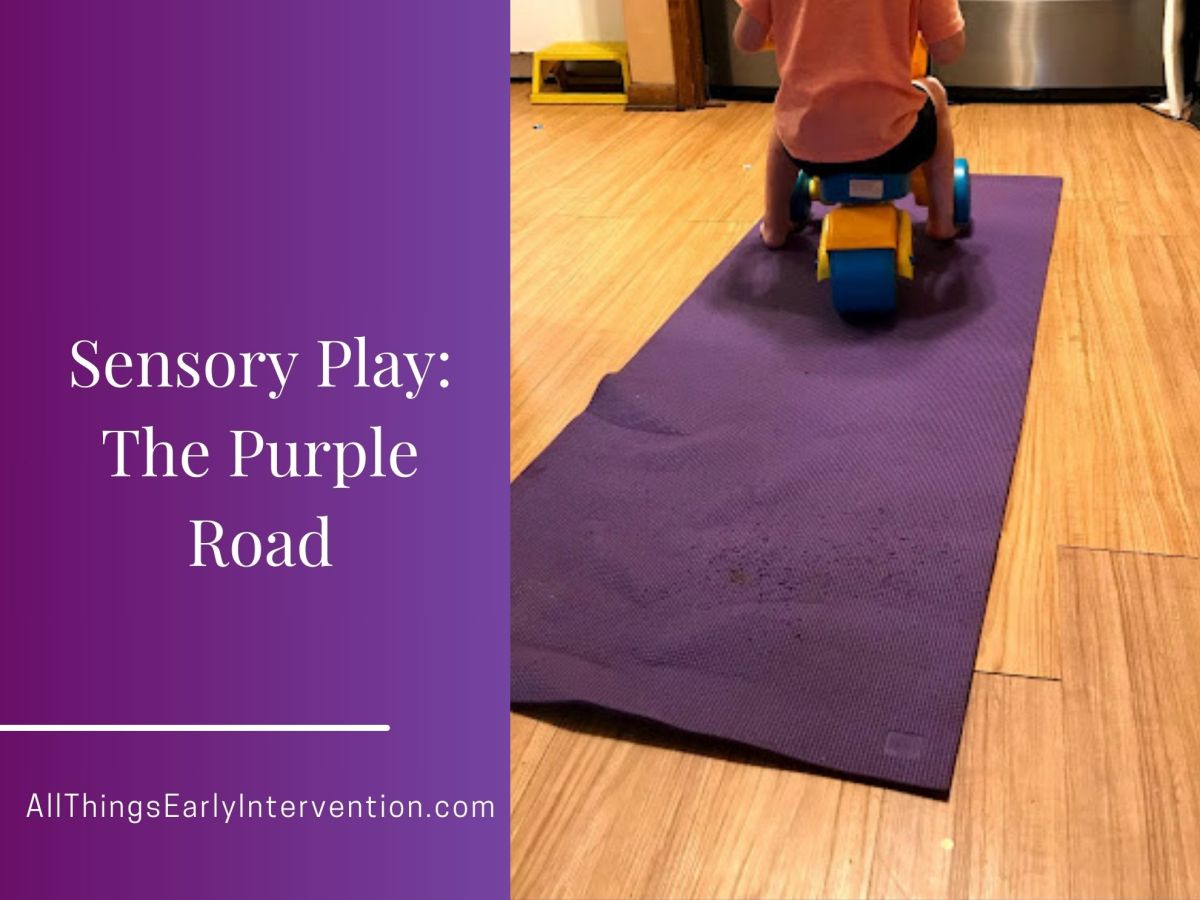
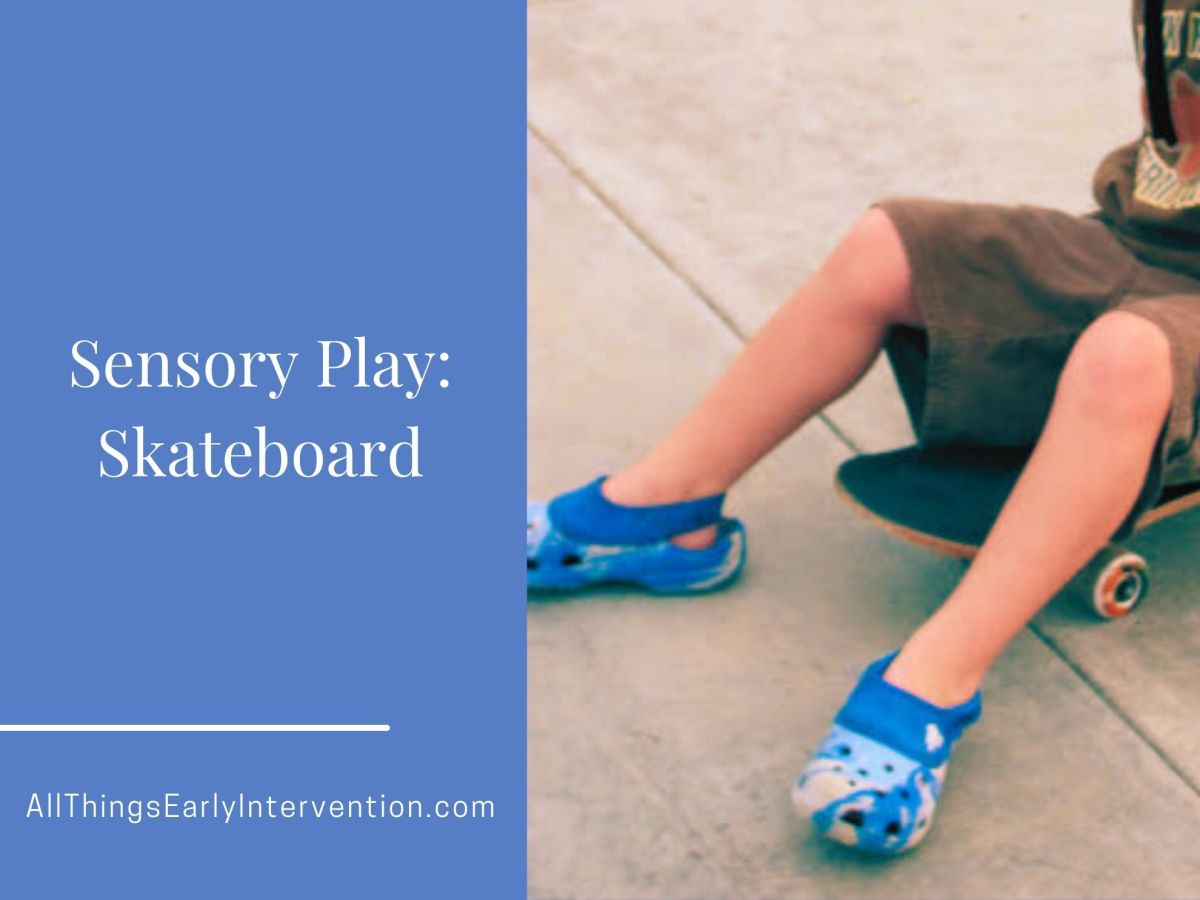
Our little one was a whirlwind of energy. He loved scooting around on his ride-on toy and skateboard, zooming from the living room to the kitchen with relentless momentum. To introduce some challenge and slow him down, I placed an old purple yoga mat in his path.
He immediately dubbed it “the purple road” and embraced the added work. He enjoyed the effort it took to navigate his ride-on toy and skateboard across it. I also noticed that he walked barefoot on it, rolled around shirtless, and explored the mat’s texture with his hands and even his mouth.
Another unexpected benefit was was seen when we moved his rocking horse onto the mat. The mat provided stability, preventing the horse from scooting, which allowed him to rock more effectively. And, of course, a yoga mat makes an excellent base for blanket forts!
Heavy Work and Sensory Regulation
Our son’s engagement with the yoga mat provided more than just tactile input. It offered “heavy work,” activities that require muscle effort, activating the proprioceptive system.
Proprioceptive System: This system receives input from muscles and joints about body position, weight, pressure, and movement.
Heavy Work: Activities like pushing, pulling, lifting, and carrying provide proprioceptive input, which can calm and regulate the sensory system.
By adding resistance to his ride-on toys and skateboard, the yoga mat transformed simple play into heavy work. This helped regulate his sensory system, leading to improved behavior.
The varied textures of the mat also provided valuable tactile input.
Improvisation and Observation
This purple road showed me yet again how you can use readily available materials to enhance play and provide sensory input. We never know what might be helpful. Constant creative thinking and observation are crucial.
More Ways to Use a Yoga Mat in Early Intervention
Beyond “the purple road,” here are other ways I have put a yoga mat to work in Early Intervention.
- Cruising: Providing a non-slip surface along the coffee table or couch for children learning to cruise walk on slippery floors.
- Tummy Time Support: Roll the mat up and put it under a baby’s tummy while in the all four’s position to ease tummy time a bit.
- Balancing on Uneven Surface: Place towels or soft toys under the mat to create an uneven lumpy surface to walk across for a balance challenge.
- Jumping “Frog on a Log“: Fold the rolled mat into a rectangle to create an obstacle to climb on or jump over, Singing “Five Little Speckle Frogs.”
- Kiddo Burrito: Rolling a child tightly in the mat can provide calming proprioceptive and tactile input.
Embracing Creative Solutions for Heavy Work
Sometimes, the most effective tools are the ones we already have. A simple yoga mat became a “purple road” to sensory regulation in our home. I encourage you to think creatively and share your own unexpected uses for everyday materials.
Some Related Products on Amazon
As an Amazon Associate, I earn on qualifying purchases.




References
Beck, C. (2025). Heavy Work Activities. The OT Toolbox.
Beck, C. (2025). Proprioception Sensory Activities for Kids. The OT Toolbox.
Drobnjak, L. (2016). Proprioception Sensory Activities for Kids. The OT Toolbox.
Drobnjak, L. (2016). Using a Yoga Mat to Create Simple Activities for Kids. The Inspired Treehouse.




 All Things Early Intervention