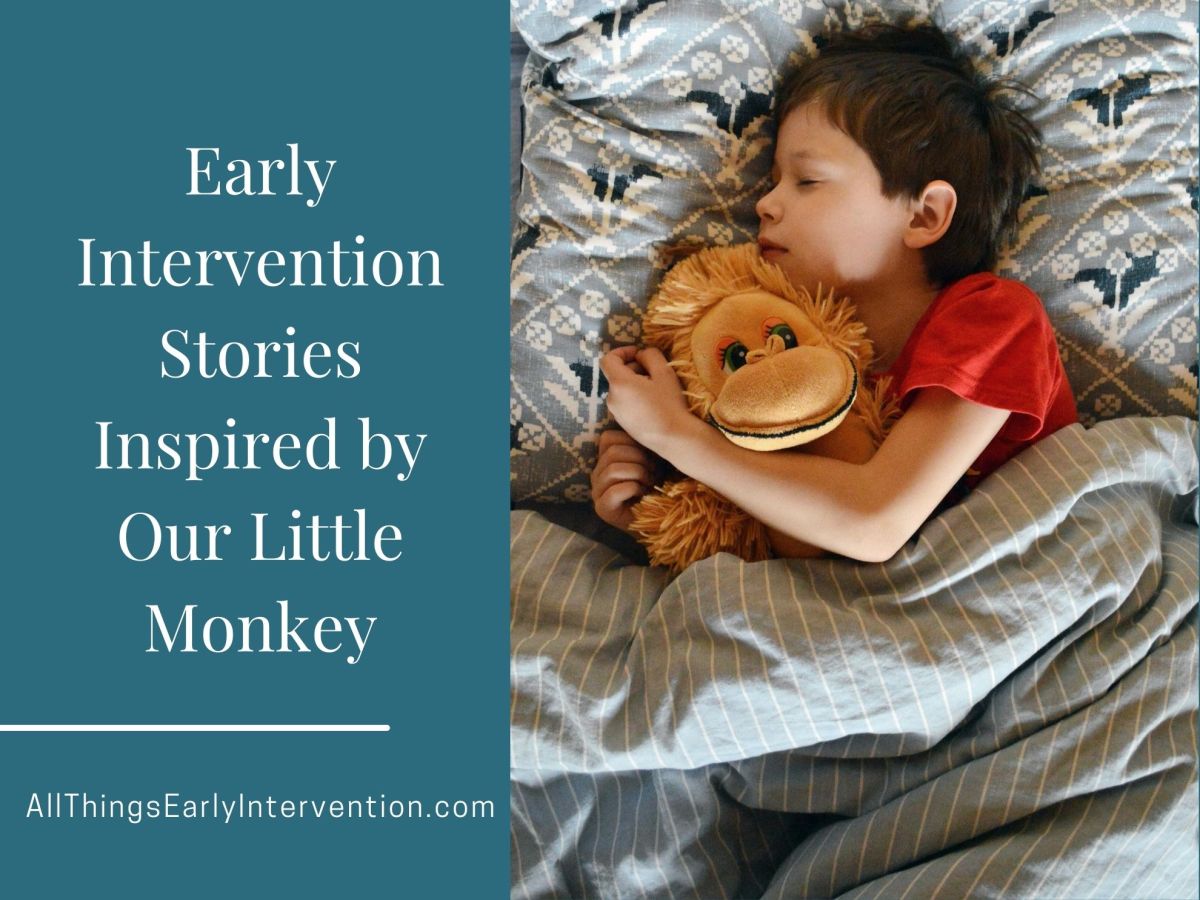
The Joys and Challenges of Fostering with Little Monkey and Little Pumpkin
Having these little ones in our home was an absolute blessing, but it wasn’t always sunshine and rainbows. It stretched our family unit in ways we never imagined. Little Monkey’s unpredictable nature and the daily routines of parenthood made for an emotionally charged environment.
Early Intervention Strategies Inspired by Our Little Monkey
Introducing the New Little Ones in our Lives
Little Monkey was a sensory seeker on overdrive. Daniel Tiger and Mickey Mouse Clubhouse were his jam.
He often had serious meltdowns, but beneath that was a cuddly little guy who craved snuggles and bedtime stories.
On the other hand, Little Pumpkin was a go-with-the-flow baby cuddle bug who developed into a curious explorer even if overshadowed by her big brother’s needs.
You might wonder why I’m calling them such silly names. It all boils down to confidentiality. As you know, protecting our foster children’s identities is standard policy.
Having these little ones in our home was a blessing, but it wasn’t always sunshine and rainbows. It stretched our family in ways we never imagined. Little Monkey’s unpredictable nature made for an emotionally charged environment. Some days were smiles and laughter; others were tear-filled tantrums and a desperate hope for a moment of peace.
Finding the Hidden Gems of Early Intervention
Navigating the world of foster care is a constant exercise in creative problem-solving. Every day presented a new challenge, a puzzle waiting to be pieced together. How do we create a safe space for emotional outbursts? How do we meed Little Monkey’s needs while keeping Little Pumpkin safe?
These experiences, however, became the source of inspiration for these blog posts you’re reading.
We discovered techniques and strategies through trial and error, laughter, and tears. And that’s what I want to share with you – the lessons learned in the trenches, hoping they might equip you to better support the little ones entrusted to your care.
Early Intervention Strategies Inspired by Our Little MonkeyClick for Stories Inspired By Little Monkey
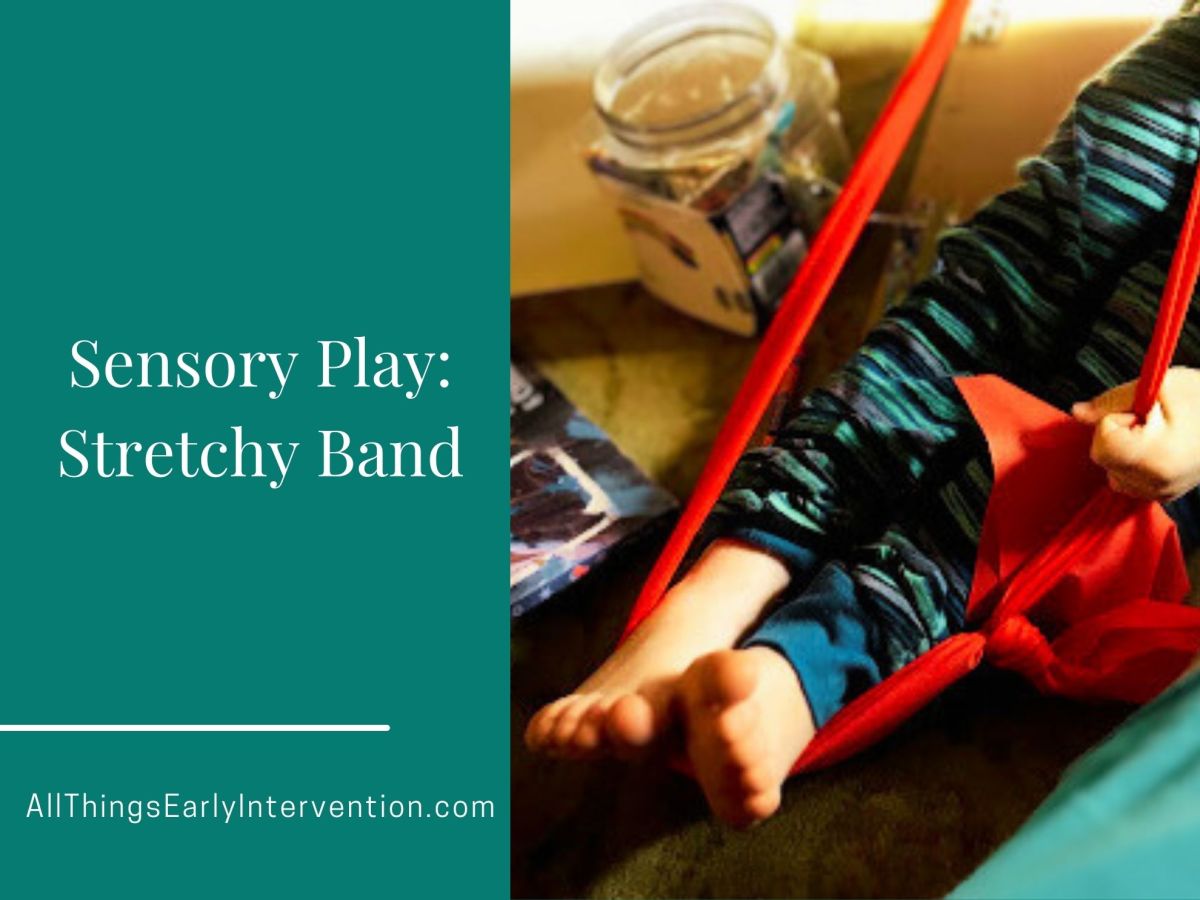
For a sensory-seeking child who is always looking for movement, if that movement comes in the form of a fun, voluntary activity—like using an elastic band to play with—that is an improvement.
It took work on our part and on the part of our friends who saw us struggling and to whom we asked for help. We said we are lonely and they said we want to help you. Let’s fix it. Once we realized how to include more opportunities for friends, we felt more connected.
The most important lesson I learned is that prevention is key. When your child is actively escaping their car seat while you’re driving, you’re helpless. Focus on creating an environment that minimizes the likelihood of escape.
To my horror, he was covered in what appeared to be feces, gleefully playing with it. Panic set in as I navigated through traffic, desperately trying to find a safe place to pull over.
Jumping can be a powerful tool in our sensory toolkit. By understanding the science of it and incorporating it thoughtfully, we can help sensory-seeking children find regulation, improve their motor skills, and engage more fully in their world.
Sensory seekers may naturally seek out various sensory experiences, but it’s crucial to guide them toward appropriate and regulating activities. Often, this means prioritizing proprioceptive feedback through heavy work.
We tried all sorts of heavy work activities, and one that really stood out was the sensory body sock. It was like magic! He’d climb in, push against the stretchy fabric, and… instant calm. It gave me peace to see his little body find some peace.
The cardboard box solution, a simple early intervention strategy, addressed several of his sensory needs and made a challenging situation much more manageable. It also underscores the many benefits of cardboard box play for children in general.
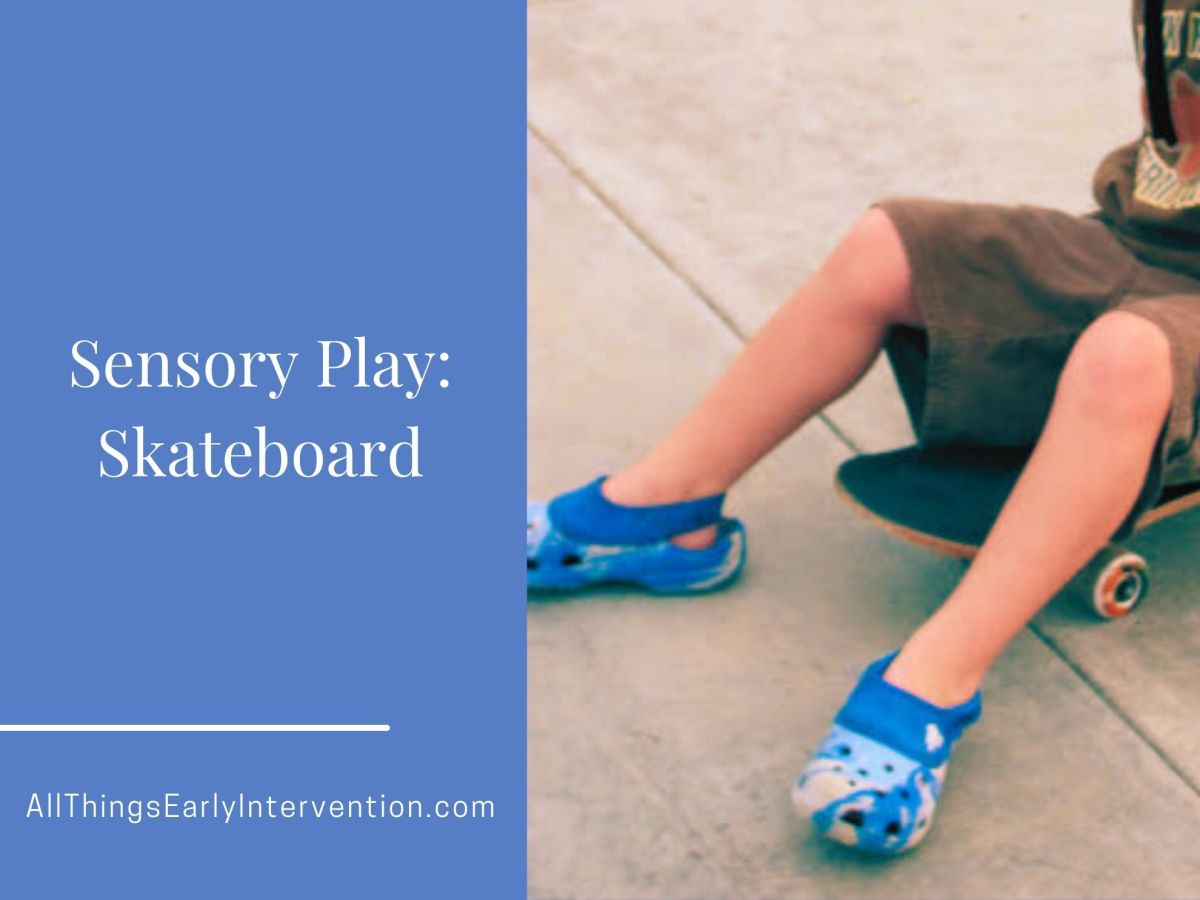
Scooter boards, or even a simple skateboard, can be part of a fun engaging play experience. They provide valuable opportunities to move, improve motor skills, and may help children feel more regulated. Remember, every child is unique, so adapt these activities to fit their needs.
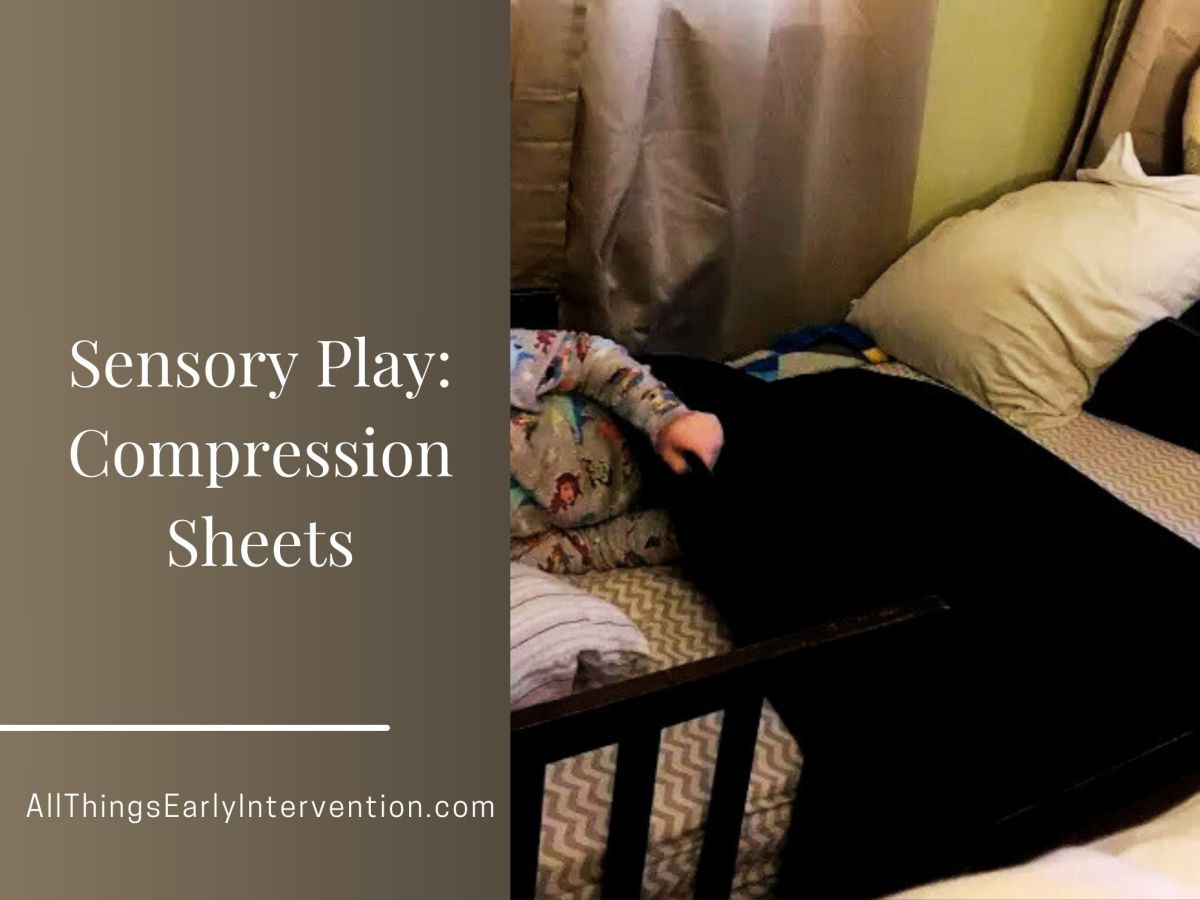
Now, the research on compression as a therapeutic tool is a bit mixed results. Some professionals swear by it, while others are less convinced. But, as we often say when we are sleep deprived and desperate, “It couldn’t hurt to try, right?” And boy, were we glad we did! It was awesome.
My own approach to dealing with challenging behavior is influenced by positive behavior support, social-emotional learning, and trauma-informed care. It is a hodgepodge of trial and error, and I’d love to share the stories with you.
A stern voice, or even the word “no,” would trigger meltdowns. Thankfully, I discovered the magic of Daniel Tiger’s Neighborhood, a children’s television show that offered practical solutions for navigating these situations.
Creating a safe space for him was a journey with uncertainties. While the effectiveness in calming him down was not always consistent, the times when it did work made all the effort worth it.
By understanding sensory seeking and incorporating these heavy work activities into your child’s routine, your child may benefit by feeling calmer, more regulated, and better able to focus throughout the day.
While I wasn’t consciously aware of these principles at the time, my improvised actions aligned to promote positive behavior. I was encouraged and reminded that we can effectively teach children new skills, including cleaning up, without resorting to power struggles.
While it wasn’t an overnight success, the social story proved to be a game-changer. Equipped with a road map for what to expect, Little Monkey was able to navigate the drive-thru experience with newfound calm.
Being a foster parent to a child with behavioral challenges can be emotionally draining. By developing strategies for maintaining composure, you can have a clear head to make decisions to put into practice to maintain a positive environment for both yourself and the child.
This post explores the benefits of sensory play just for fun and how it can be incorporated into everyday interactions with children with and without special needs.
I decided to reach out to Discovery Toys to test their lifetime guarantee. To my surprise, they were incredibly easy to work with and replaced the broken toys at no cost. This experience reinforced my belief in the quality and customer service of Discovery Toys.
In Early Intervention, our job is to find that delicate balance between letting the child explore independently and gently guiding them to the next skill. We can root this “gentle dance” in two foundational learning theories
26 replies on “The Joys and Challenges of Fostering with Little Monkey and Little Pumpkin”
[…] Little Monkey, a foster child in our care, had a developmental disability that manifested in explosive temper tantrums. These outbursts often resulted in self-harm and injury to anyone within reach. To help him learn to self-regulate, we decided to create a safe space for him. […]
[…] behaviors or struggle to focus in calm environments. This post shares my experience living with our foster child who we call Little Monkey, who thrived on a type of sensory input that occupational therapists call “heavy […]
[…] encountered the challenge of navigating everyday situations that can prompt an epic meltdown. For Little Monkey, our foster child, a seemingly simple trip to the drive-thru became a guaranteed […]
[…] therapy exercises at home. I never got rid of it, and I’m so glad I didn’t! When Little Monkey and Little Pumpkin came to live with us, we really had to flex those creativity muscles to keep Little Monkey from […]
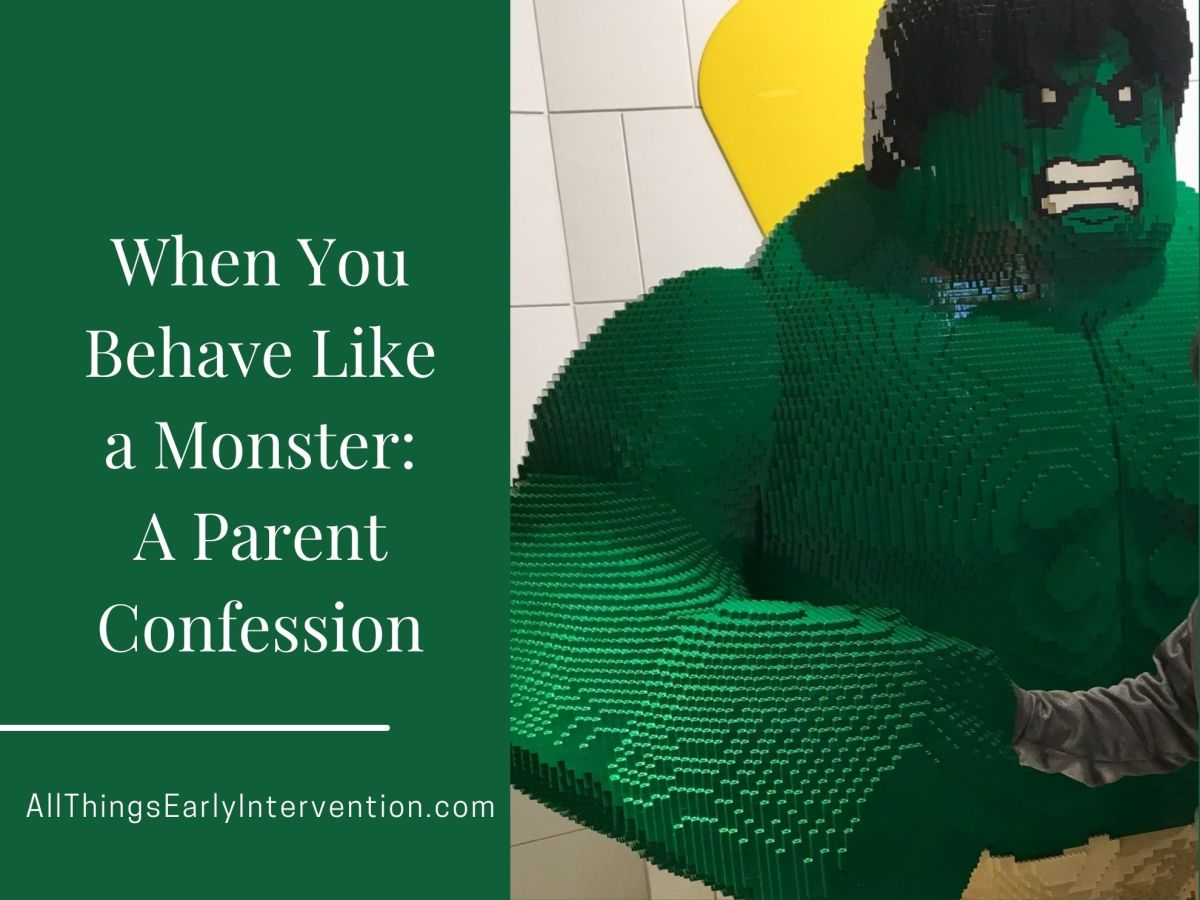
[…] specialist. I am all of these things. On this day, I also acted like a monster.Our foster child, Little Monkey, at the time was a challenging child. He had meltdowns that, once started, could not be reversed. […]
[…] time that the thrill ride slowed down was during bath time. This baby, whom we affectionately call Little Monkey, loved his bath. Loved it! It was the only time you could count on him staying out of trouble. As a […]
[…] year, our family had a foster baby we called Little Pumpkin. She came to us a little behind in her gross motor development, so naturally, I made it my […]
[…] Little Monkey had challenging behavior. He was a sensory-seeking bundle of energy that never stopped moving and getting into things. If he had to be redirected even in a positive way, he could get defensive and erupt in explosive tantrums. Once in a tantrum, he would hurt himself and others by biting and clawing and hitting his head on the floor. […]
[…] experience, but it can also present unique challenges. One of the biggest challenges I faced with my foster son, Little Monkey, was managing his negative reactions. A stern voice, or even the word “no,” would […]
[…] early intervention professionals, we often encounter children with sensory processing differences. Our foster child, whom we affectionately called Little Monkey, was a sensory seeker, constantly in motion and struggling with regulation. Today, I want to share […]
[…] is part of an ongoing series about sensory strategies we’ve been using with “Little Monkey.” His occupational therapist suggested trying a weighted blanket and compression sheets. At […]
[…] professional and foster parents, we understand the importance of connection. But when we welcomed Little Monkey, with his challenging sensory-seeking behaviors, our understanding of connection shifted. The daily […]
[…] Little Monkey was a sensory seeker, which meant constant movement and exploration. By the end of the day, we were often running on fumes, whether from dealing with epic tantrums or providing the sensory play he needed to feel regulated. […]
[…] I’m here to share a story, a vulnerable one, about a little boy we fostered – we called him Little Monkey – and the car seat battles that tested every ounce of my parenting patience. As an early […]
[…] had the privilege of working with many children, including a foster child we lovingly called Little Monkey, who constantly craved sensory input. They were always moving, touching, and exploring, often in […]
[…] had a foster child, affectionately nicknamed “Little Monkey,” who was a whirlwind of energy. He was constantly on the move, seeking sensory input in every way […]
[…] you may know, I had the privilege of fostering a child we called “Little Monkey.” Little Monkey was a sensory seeker. He needed a lot of input to stay regulated. This presented some […]
[…] into a huge win? That’s exactly what happened with my foster son, who we affectionately call “Little Monkey.” He’s a sensory seeker. He is always on the move. His occupational therapist had success using […]
[…] “Little Monkey,” bless his heart, was a sensory seeker through and through. 24/7, he was on a quest for sensory input, and bedtime was no exception. Our sleep routine was…well, let’s just say it was a work in progress. […]
[…] experience for both parents and children. This article describes an experience I had with my foster child, “Little Monkey,” that highlights the power of the “First/Then” strategy, shaping, and […]
[…] home, it can turn your world upside down. This was certainly the case for me when our foster child “Little Monkey” came into my life. Despite my background in early childhood education and experience with Conscious […]
26 replies on “The Joys and Challenges of Fostering with Little Monkey and Little Pumpkin”
[…] Little Monkey, a foster child in our care, had a developmental disability that manifested in explosive temper tantrums. These outbursts often resulted in self-harm and injury to anyone within reach. To help him learn to self-regulate, we decided to create a safe space for him. […]
LikeLike
[…] behaviors or struggle to focus in calm environments. This post shares my experience living with our foster child who we call Little Monkey, who thrived on a type of sensory input that occupational therapists call “heavy […]
LikeLike
[…] encountered the challenge of navigating everyday situations that can prompt an epic meltdown. For Little Monkey, our foster child, a seemingly simple trip to the drive-thru became a guaranteed […]
LikeLike
[…] therapy exercises at home. I never got rid of it, and I’m so glad I didn’t! When Little Monkey and Little Pumpkin came to live with us, we really had to flex those creativity muscles to keep Little Monkey from […]
LikeLike
[…] specialist. I am all of these things. On this day, I also acted like a monster.Our foster child, Little Monkey, at the time was a challenging child. He had meltdowns that, once started, could not be reversed. […]
LikeLike
[…] time that the thrill ride slowed down was during bath time. This baby, whom we affectionately call Little Monkey, loved his bath. Loved it! It was the only time you could count on him staying out of trouble. As a […]
LikeLike
[…] we had a foster child, Little Monkey, who was constantly touching, grabbing, hitting, and pinching with his hands. He could NOT keep his […]
LikeLike
[…] year, our family had a foster baby we called Little Pumpkin. She came to us a little behind in her gross motor development, so naturally, I made it my […]
LikeLike
[…] Little Monkey had challenging behavior. He was a sensory-seeking bundle of energy that never stopped moving and getting into things. If he had to be redirected even in a positive way, he could get defensive and erupt in explosive tantrums. Once in a tantrum, he would hurt himself and others by biting and clawing and hitting his head on the floor. […]
LikeLike
[…] experience, but it can also present unique challenges. One of the biggest challenges I faced with my foster son, Little Monkey, was managing his negative reactions. A stern voice, or even the word “no,” would […]
LikeLike
[…] early intervention professionals, we often encounter children with sensory processing differences. Our foster child, whom we affectionately called Little Monkey, was a sensory seeker, constantly in motion and struggling with regulation. Today, I want to share […]
LikeLike
[…] is part of an ongoing series about sensory strategies we’ve been using with “Little Monkey.” His occupational therapist suggested trying a weighted blanket and compression sheets. At […]
LikeLike
[…] were parenting Little Monkey—always seeking, always moving, and needing that deep, organizing pressure– we were […]
LikeLike
[…] professional and foster parents, we understand the importance of connection. But when we welcomed Little Monkey, with his challenging sensory-seeking behaviors, our understanding of connection shifted. The daily […]
LikeLike
[…] foster child, Little Monkey, was a whirlwind of energy. Diagnosed with autism, he also had significant sensory processing […]
LikeLike
[…] Little Monkey was a sensory seeker, which meant constant movement and exploration. By the end of the day, we were often running on fumes, whether from dealing with epic tantrums or providing the sensory play he needed to feel regulated. […]
LikeLike
[…] I’m here to share a story, a vulnerable one, about a little boy we fostered – we called him Little Monkey – and the car seat battles that tested every ounce of my parenting patience. As an early […]
LikeLike
[…] was driving with Little Monkey, our foster child, when I glanced in the rearview […]
LikeLike
[…] child, we call him Little Monkey, was a sensory seeker in the truest sense. He explored his world by moving through it, and […]
LikeLike
[…] had the privilege of working with many children, including a foster child we lovingly called Little Monkey, who constantly craved sensory input. They were always moving, touching, and exploring, often in […]
LikeLike
[…] had a foster child, affectionately nicknamed “Little Monkey,” who was a whirlwind of energy. He was constantly on the move, seeking sensory input in every way […]
LikeLike
[…] you may know, I had the privilege of fostering a child we called “Little Monkey.” Little Monkey was a sensory seeker. He needed a lot of input to stay regulated. This presented some […]
LikeLike
[…] into a huge win? That’s exactly what happened with my foster son, who we affectionately call “Little Monkey.” He’s a sensory seeker. He is always on the move. His occupational therapist had success using […]
LikeLike
[…] “Little Monkey,” bless his heart, was a sensory seeker through and through. 24/7, he was on a quest for sensory input, and bedtime was no exception. Our sleep routine was…well, let’s just say it was a work in progress. […]
LikeLike
[…] experience for both parents and children. This article describes an experience I had with my foster child, “Little Monkey,” that highlights the power of the “First/Then” strategy, shaping, and […]
LikeLike
[…] home, it can turn your world upside down. This was certainly the case for me when our foster child “Little Monkey” came into my life. Despite my background in early childhood education and experience with Conscious […]
LikeLike