
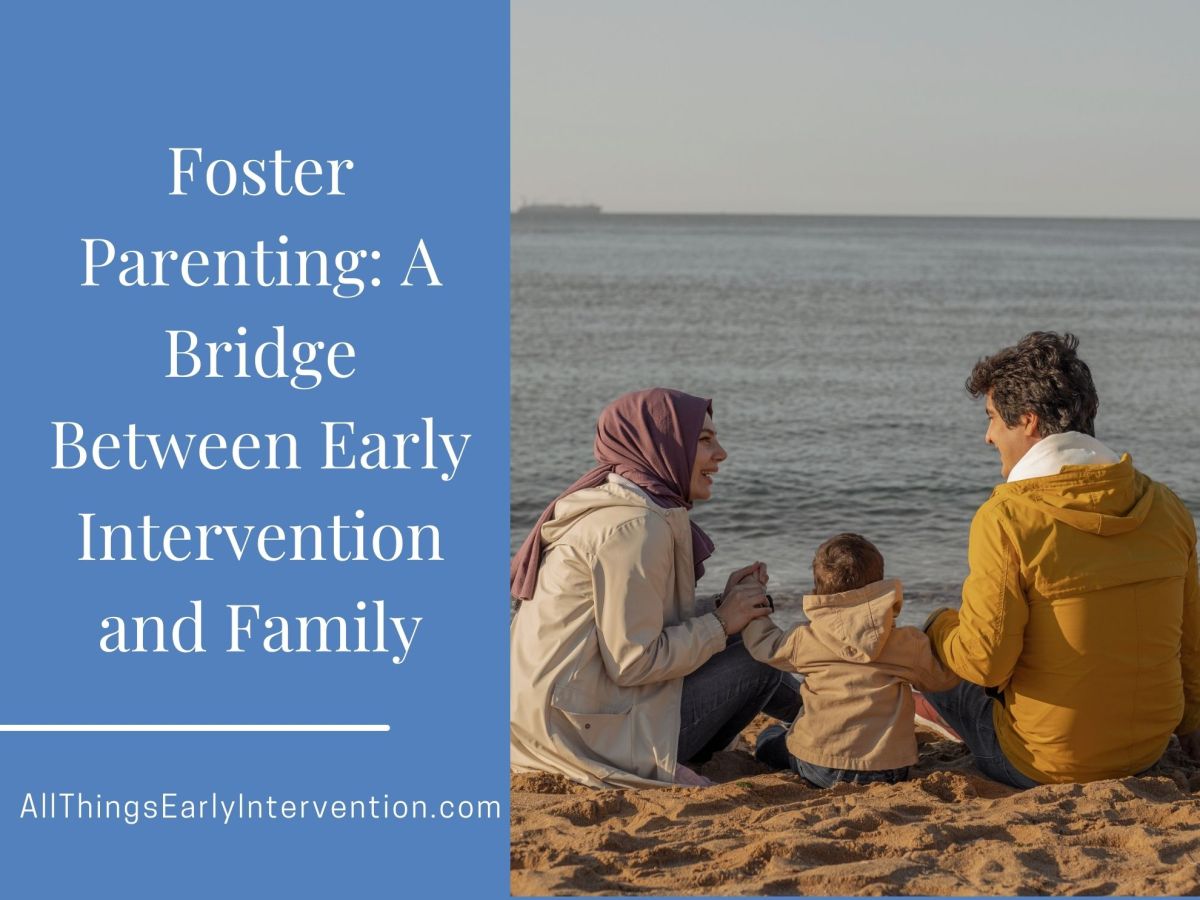
Our family recently embarked on a new adventure—becoming licensed therapeutic foster parents. Yep, that’s right—we’re officially in the business of opening our hearts and homes to kids with special needs. My background in early intervention feels like a natural bridge to this new chapter.
While there will undoubtedly be challenges, we believe this experience will be character-building for everyone involved. By opening our home and hearts, we hope to offer a piece of stability and love to a child who needs it most.
Imperfect But Determined
We understand that fostering isn’t about perfection. We all juggle personal stresses and have limitations. However, as this Public Service Announcement campaign states, “you don’t have to be perfect to be the perfect parent.”
Mutual Benefit
Of course, it’s natural to have concerns about how this will affect our biological children. We see fostering as a way to model our faith in action. They’ll also witness firsthand the impact a loving home can have on a child who has faced hardship.
Early Intervention Skills Take Center Stage
Studies tell us that stable, nurturing relationships are crucial for healthy brain development, especially for those who have experienced trauma (Zero to Three, 2023). Sometimes, the best intervention is simply being there and creating a safe space for play and connection. It will be a joy to watch the same playful strategies I use in Early Intervention help our new family members grow.
This foster care journey is an exciting leap of faith, one that allows us to bridge our professional skills with the power of family.
The road ahead may be uncertain, but we’re facing it with open arms (and hearts). If you’re considering becoming a foster parent, know that you don’t have to be perfect. What matters most is the willingness to love and provide a safe haven for a child in need.
Zero to Three. (2023). Understanding brain development in babies and toddlers. https://www.zerotothree.org/early-brain-development/1
 All Things Early Intervention
One reply on “Becoming Foster Parents: A Bridge Between Early Intervention And Family”
[…] mentioned before that my husband and I are therapeutic foster parents. With our nonverbal 2-year-old, I used images to teach him how to communicate what he wanted to […]
LikeLike