The cardboard box solution, a simple early intervention strategy, addressed several of his sensory needs and made a challenging situation much more manageable. It also underscores the many benefits of cardboard box play for children in general.

 All Things Early Intervention
The cardboard box solution, a simple early intervention strategy, addressed several of his sensory needs and made a challenging situation much more manageable. It also underscores the many benefits of cardboard box play for children in general.
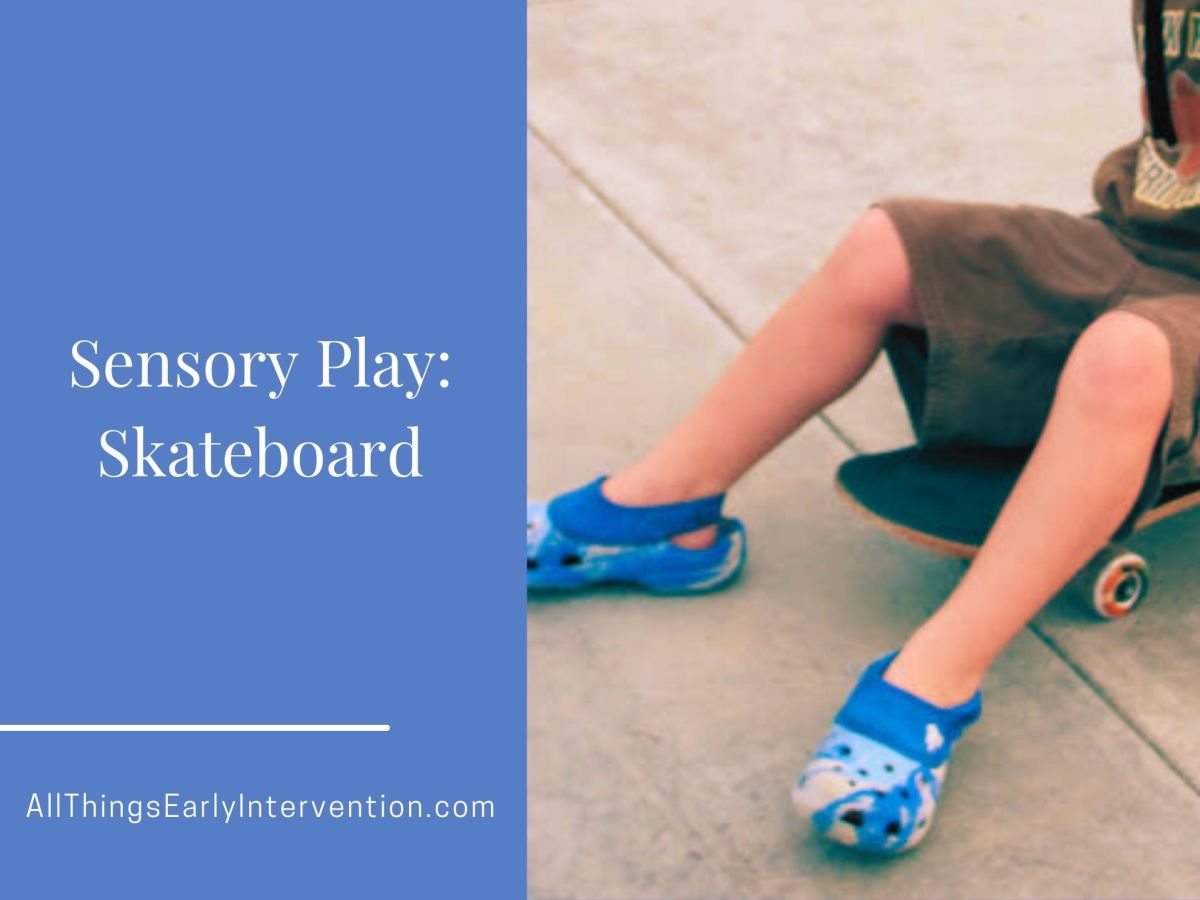
Scooter boards, or even a simple skateboard, can be part of a fun engaging play experience. They provide valuable opportunities to move, improve motor skills, and may help children feel more regulated. Remember, every child is unique, so adapt these activities to fit their needs.

“Little monkey” was a classic sensory seeker. He craved deep pressure and had difficulty self-regulating. By providing appropriate sensory feedback, we helped him find a sense of calm, particularly during sleep.
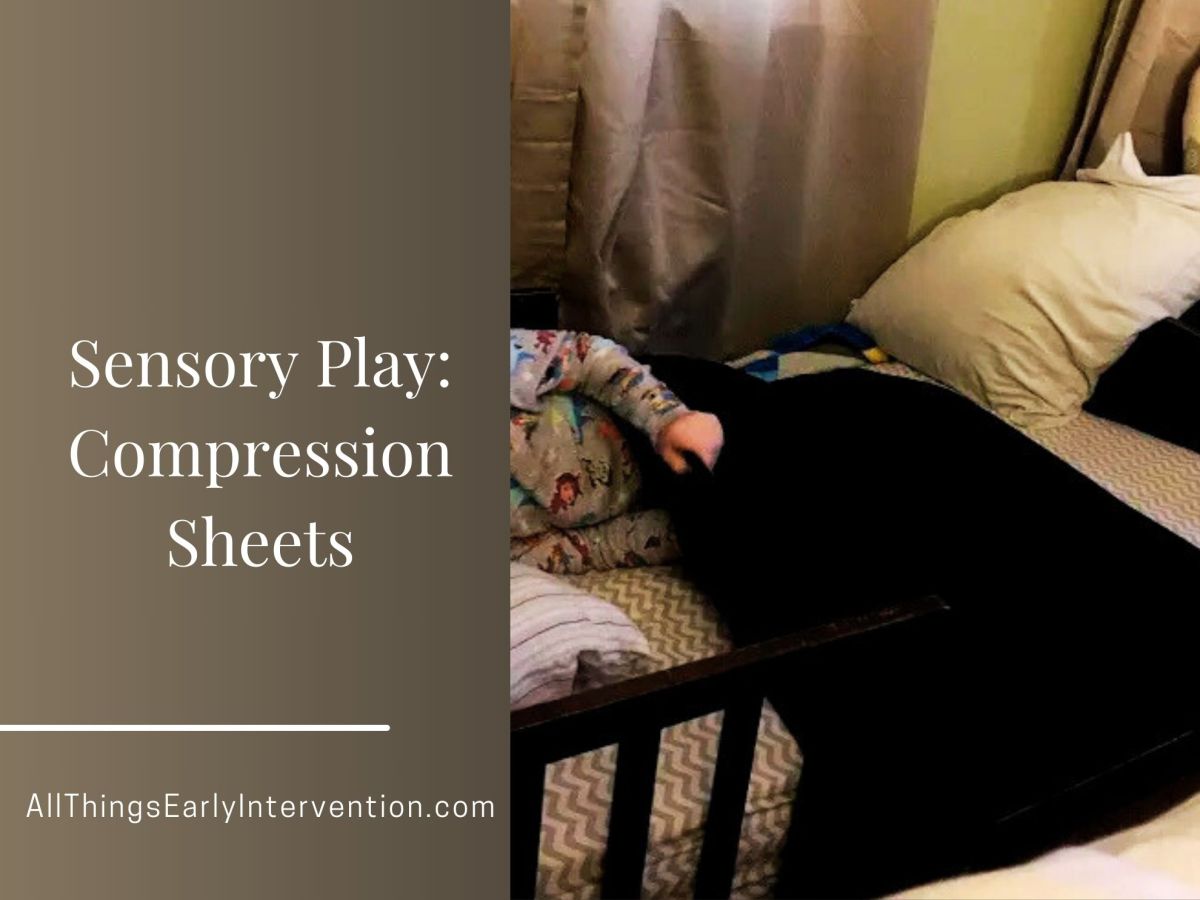
Now, the research on compression as a therapeutic tool is a bit mixed results. Some professionals swear by it, while others are less convinced. But, as we often say when we are sleep deprived and desperate, “It couldn’t hurt to try, right?” And boy, were we glad we did! It was awesome.

This activity is more than just fun; it’s a powerful tool for promoting joint attention, fostering creativity, and building fine motor strength. It’s a simple concept that can be modified to meet the unique needs of each child.

Allowing children to use safe knives is more than just a fun activity. It’s an opportunity for them to develop skills and explore their senses. By encouraging their involvement in food preparation, we’re creating enriching sensory experiences that will benefit them for years to come.
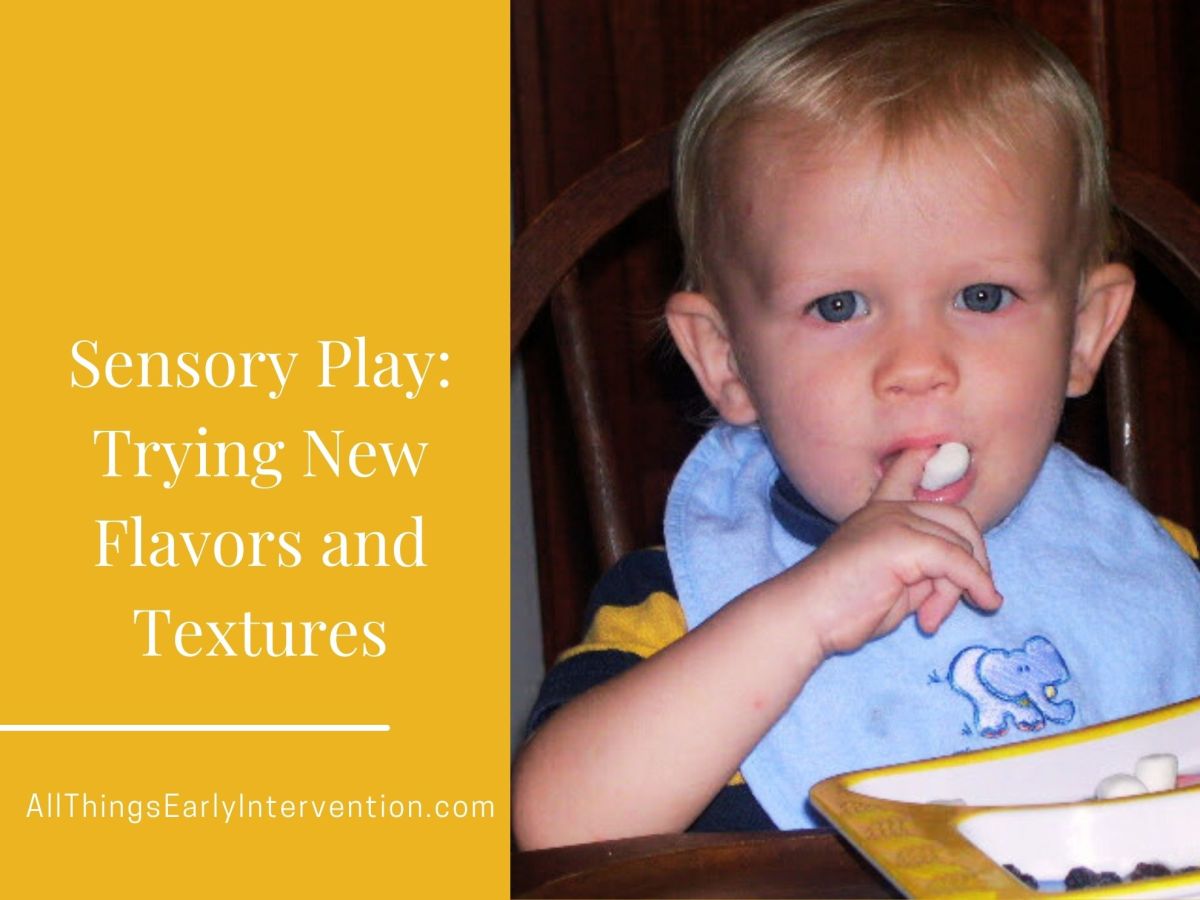
It’s not about creating elaborate sensory experiences every day. It’s about being mindful of the sensory opportunities that already exist and maximizing them. Encourage parents to embrace the mess, to slow down and allow their children to truly engage with their senses.

By understanding sensory seeking and incorporating these heavy work activities into your child’s routine, your child may benefit by feeling calmer, more regulated, and better able to focus throughout the day.
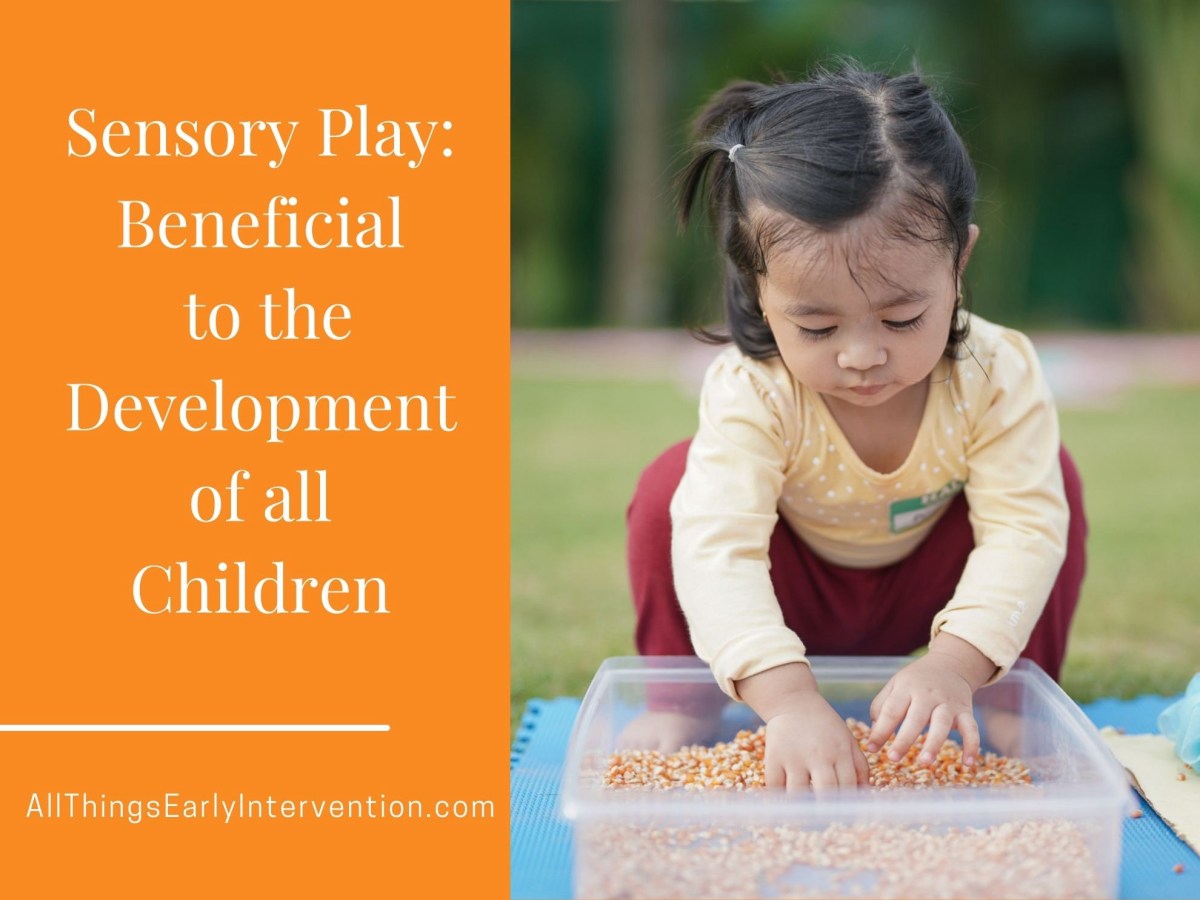
This post explores the benefits of sensory play just for fun and how it can be incorporated into everyday interactions with children with and without special needs.
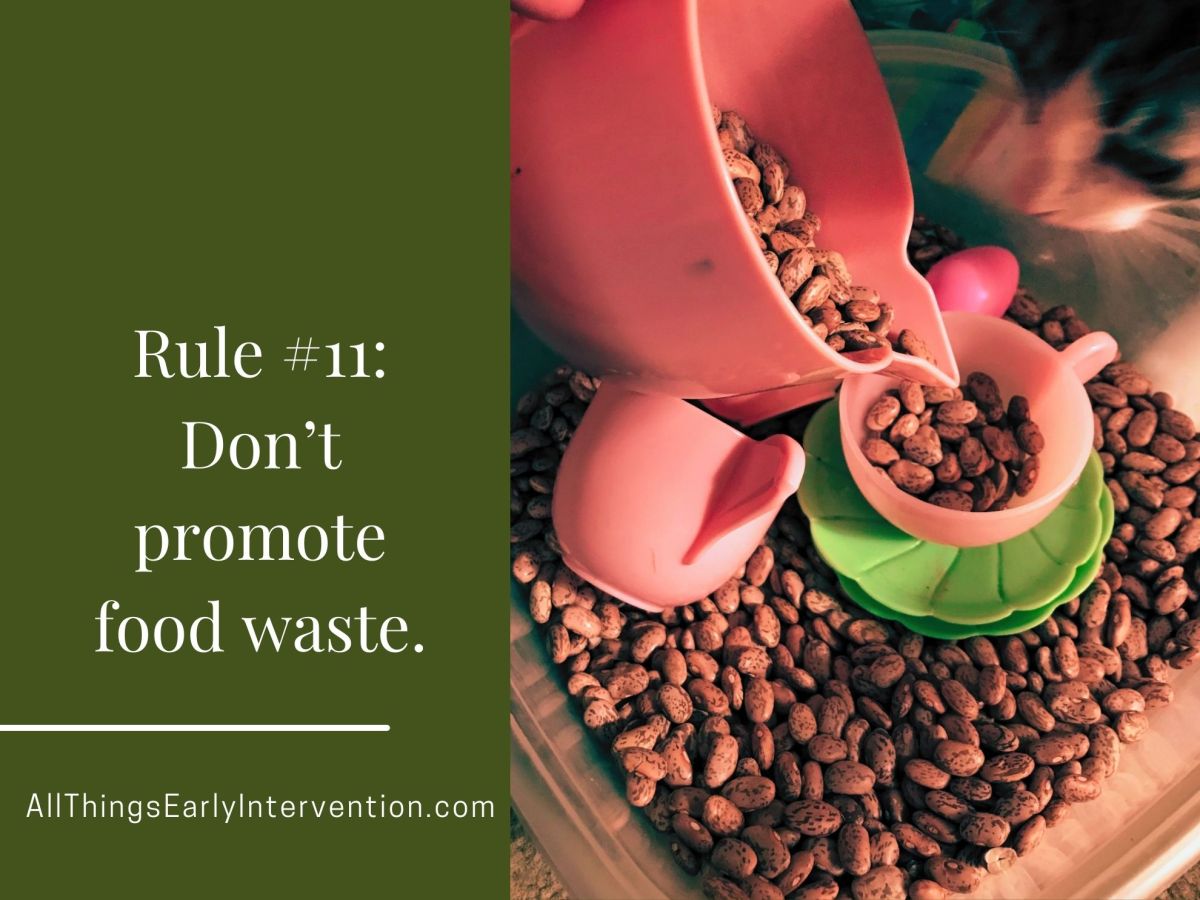
Let’s talk sensory bins, a staple in therapy rooms for good reason. They’re a fantastic way to engage little learners and explore textures. But have you ever stopped to consider the ethics of using food in these bins, especially when some families we work with struggle with food insecurity?

 All Things Early Intervention