She pointed to the ketchup. Okay, —a bit strange, but whatever brings comfort. Then she pointed to the mayonnaise.
Ketchup. Mayonnaise. On white bread.
This is where my inner dialogue—screamed, No, that’s gross. I draw the line.
 All Things Early Intervention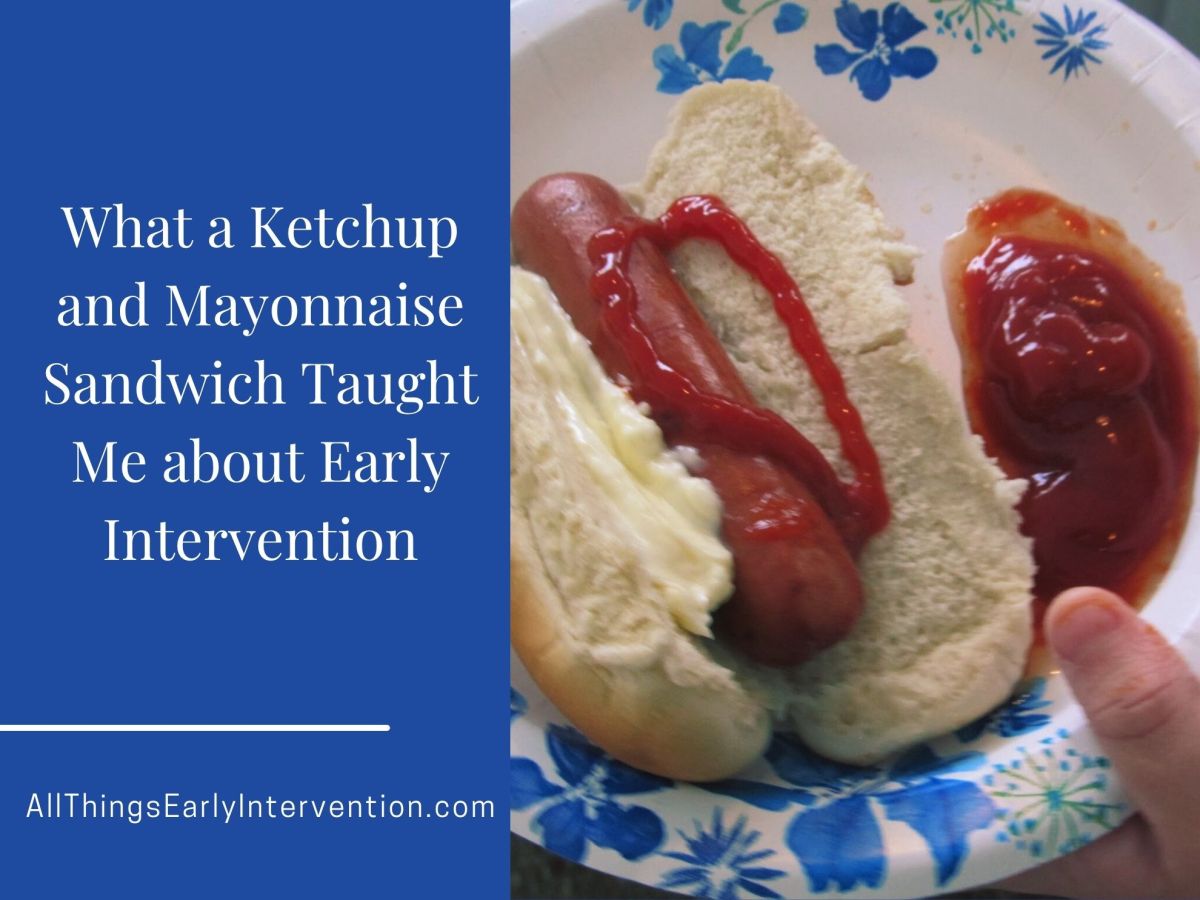
She pointed to the ketchup. Okay, —a bit strange, but whatever brings comfort. Then she pointed to the mayonnaise.
Ketchup. Mayonnaise. On white bread.
This is where my inner dialogue—screamed, No, that’s gross. I draw the line.

Our experiences with the first child—whether navigating the physical milestones of infancy or the digital dangers of adolescence—shape us profoundly. We learn, we adjust, and we seek out tools that help us create loving boundaries for all our children. Let me share my “First Draft” parenting lessons with you, so you can we can enjoy the spillover effect together.

The act of having an adaptable yet specific Standard Operating Procedure or “SOP” proved crucial during the chaos of bringing home a medically fragile foster child during a global pandemic. The Framework of the SOP being so simple reminded us to focus on essential needs to create a foundation of stability in the chaos.

It took work on our part and on the part of our friends who saw us struggling and to whom we asked for help. We said we are lonely and they said we want to help you. Let’s fix it. Once we realized how to include more opportunities for friends, we felt more connected.
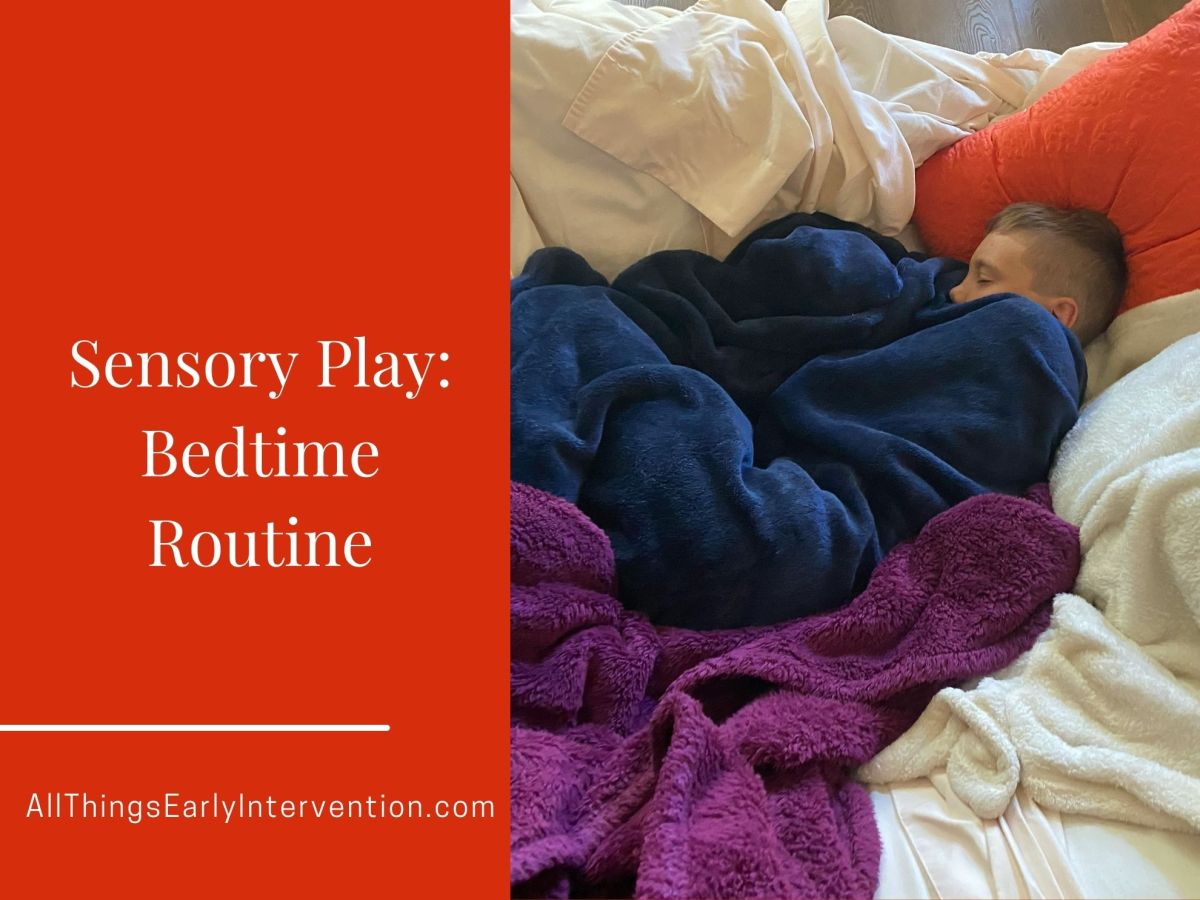
Creating a peaceful bedtime routine for a child with sensory processing challenges takes time, patience, and experimentation. By understanding your child’s unique needs and incorporating sensory strategies, you can create a bedtime routine that promotes relaxation and sleep for everyone.
We know that children with ASD experience sleep issues and challenging behaviors. Parents then experience stress, and then parent’s stress can worsen a child’s behavior problems. Therefore, effective stress management becomes a critical for both parent and child’s well-being.

The most important lesson I learned is that prevention is key. When your child is actively escaping their car seat while you’re driving, you’re helpless. Focus on creating an environment that minimizes the likelihood of escape.

To my horror, he was covered in what appeared to be feces, gleefully playing with it. Panic set in as I navigated through traffic, desperately trying to find a safe place to pull over.
Jumping can be a powerful tool in our sensory toolkit. By understanding the science of it and incorporating it thoughtfully, we can help sensory-seeking children find regulation, improve their motor skills, and engage more fully in their world.
My experience reminded me that sensory input doesn’t always have to be about high-energy stimulation. Nature scenes, whether real or simulated, can offer a gentle, calming alternative. This aligns with the research, which emphasizes the stress-reducing effects of nature.

 All Things Early Intervention