Remember, knowledge is power, and the CDC is a fantastic resource for anyone invested in the healthy development of all children.

 All Things Early Intervention
Remember, knowledge is power, and the CDC is a fantastic resource for anyone invested in the healthy development of all children.
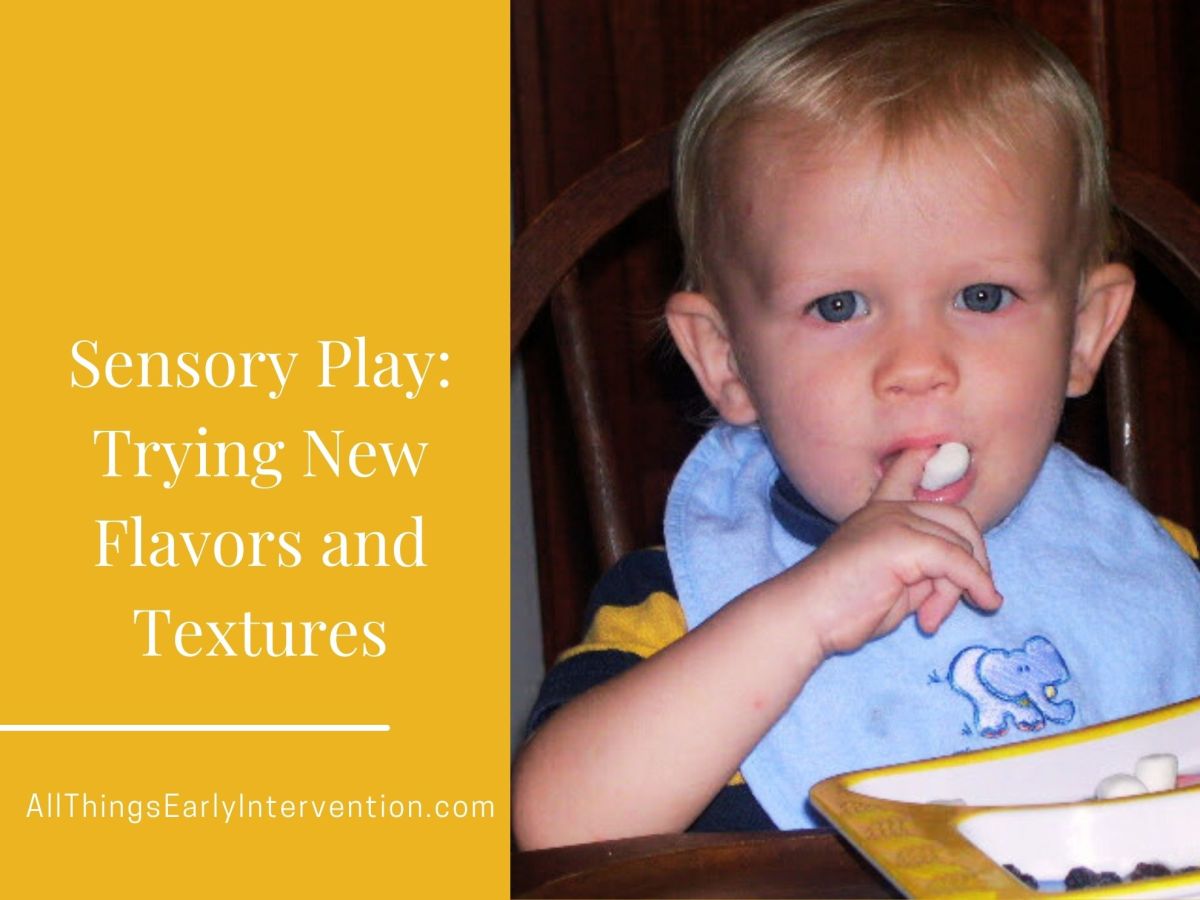
It’s not about creating elaborate sensory experiences every day. It’s about being mindful of the sensory opportunities that already exist and maximizing them. Encourage parents to embrace the mess, to slow down and allow their children to truly engage with their senses.
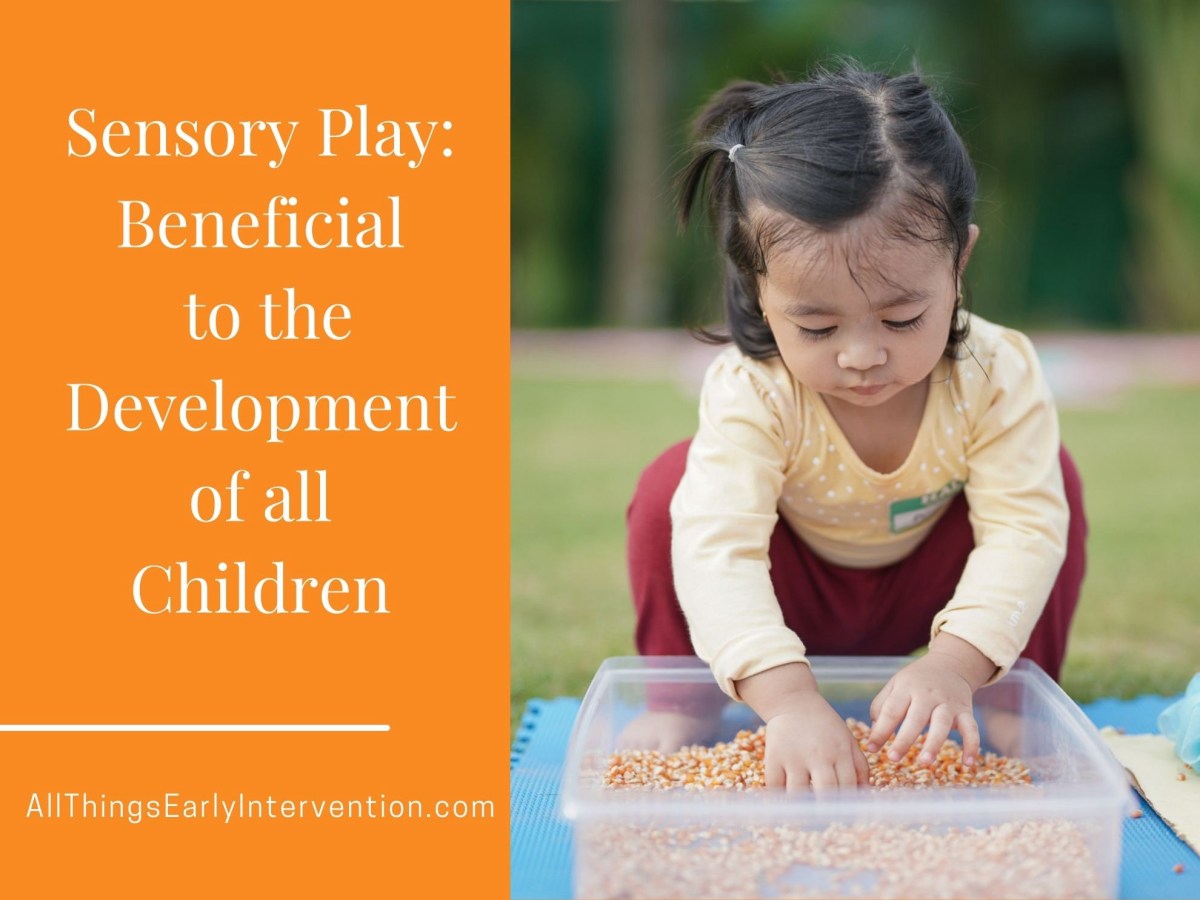
This post explores the benefits of sensory play just for fun and how it can be incorporated into everyday interactions with children with and without special needs.

Let’s celebrate Owl Awareness Day by telling a story of my favorite owl toy, “Tipsy” from Discovery Toys.

As a parent, I played this album “Sounds Like Fun” in CD format for my own children to fall asleep. Now, as a music therapy student, I’ve rediscovered the song’s simple melody and repetitive chords making it an excellent tool for my own journey in learning how to play the guitar.

So, what are you geeky about? Maybe you’re a history buff who can recite presidents in order. Perhaps you’re a knitting extraordinaire who can whip up a scarf in record time. Whatever it is, embrace it!

Thankfully, I have a new generation of toy testers: my adorable nephew! He’s the perfect size for testing out all sorts of toys, and I think he’s starting to warm up to me.

In Early Intervention, our job is to find that delicate balance between letting the child explore independently and gently guiding them to the next skill. We can root this “gentle dance” in two foundational learning theories

 All Things Early Intervention