To my horror, he was covered in what appeared to be feces, gleefully playing with it. Panic set in as I navigated through traffic, desperately trying to find a safe place to pull over.
 All Things Early Intervention
To my horror, he was covered in what appeared to be feces, gleefully playing with it. Panic set in as I navigated through traffic, desperately trying to find a safe place to pull over.
Jumping can be a powerful tool in our sensory toolkit. By understanding the science of it and incorporating it thoughtfully, we can help sensory-seeking children find regulation, improve their motor skills, and engage more fully in their world.
My experience reminded me that sensory input doesn’t always have to be about high-energy stimulation. Nature scenes, whether real or simulated, can offer a gentle, calming alternative. This aligns with the research, which emphasizes the stress-reducing effects of nature.

We tried all sorts of heavy work activities, and one that really stood out was the sensory body sock. It was like magic! He’d climb in, push against the stretchy fabric, and… instant calm. It gave me peace to see his little body find some peace.
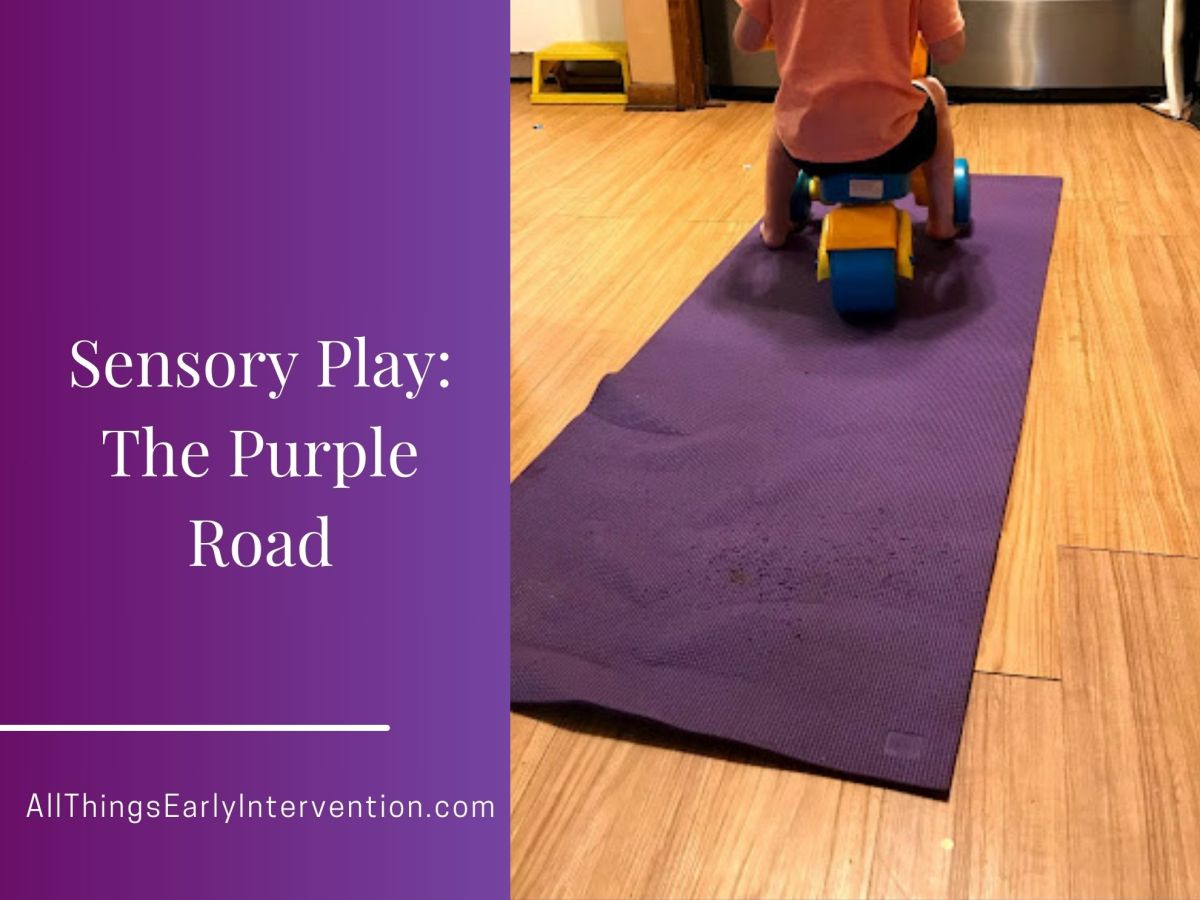
Sometimes, the most effective tools are the ones we already have. A simple yoga mat became a “purple road” to sensory regulation for Little Monkey.

The cardboard box solution, a simple early intervention strategy, addressed several of his sensory needs and made a challenging situation much more manageable. It also underscores the many benefits of cardboard box play for children in general.
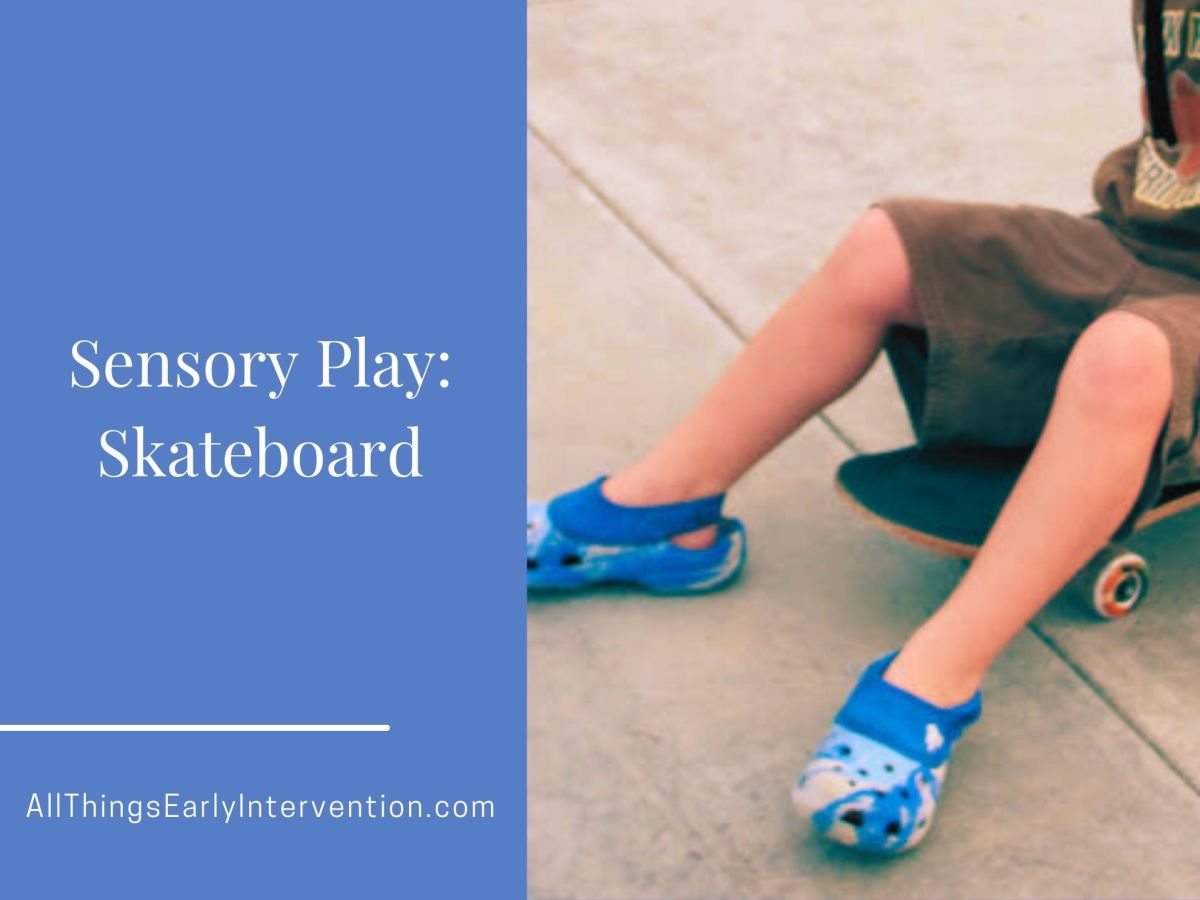
Scooter boards, or even a simple skateboard, can be part of a fun engaging play experience. They provide valuable opportunities to move, improve motor skills, and may help children feel more regulated. Remember, every child is unique, so adapt these activities to fit their needs.

“Little monkey” was a classic sensory seeker. He craved deep pressure and had difficulty self-regulating. By providing appropriate sensory feedback, we helped him find a sense of calm, particularly during sleep.
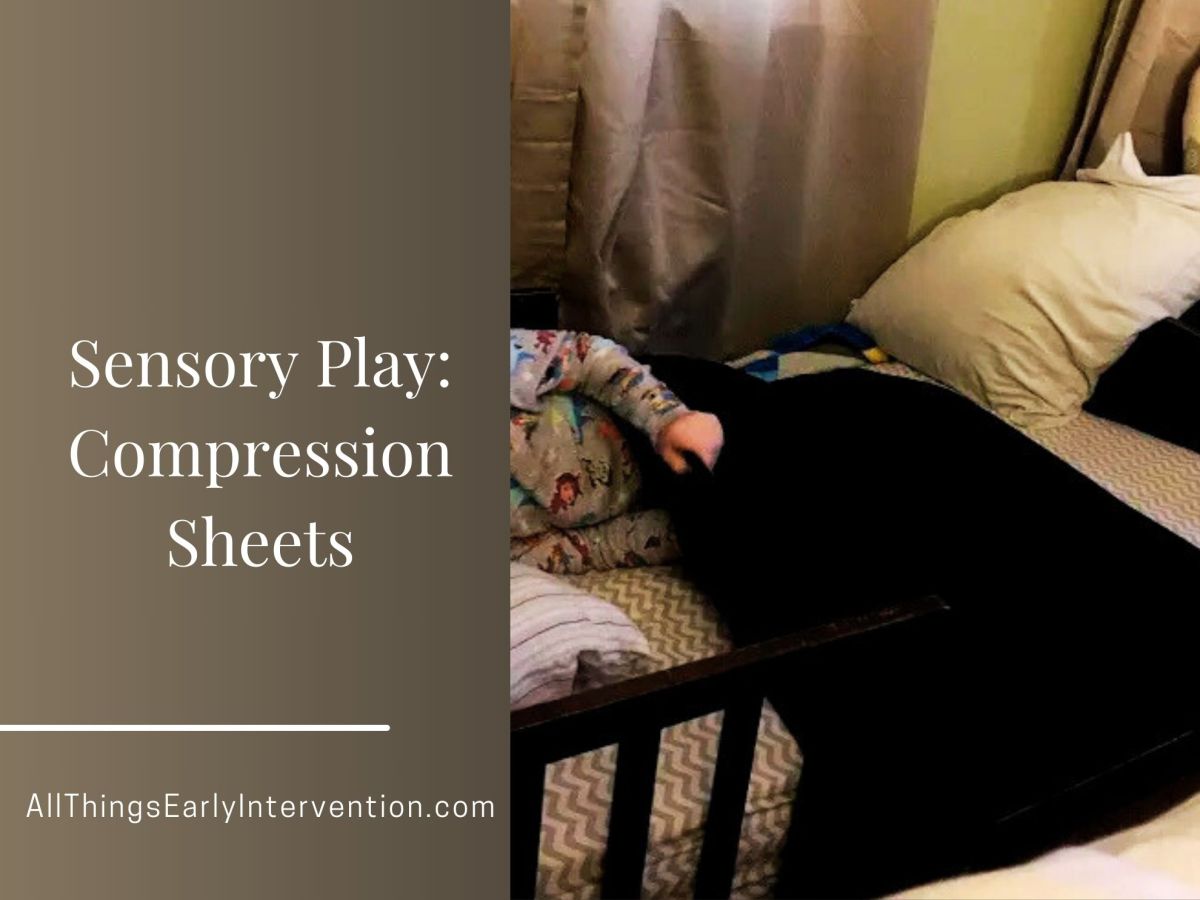
Now, the research on compression as a therapeutic tool is a bit mixed results. Some professionals swear by it, while others are less convinced. But, as we often say when we are sleep deprived and desperate, “It couldn’t hurt to try, right?” And boy, were we glad we did! It was awesome.

Non-profit organizations can be a source of support for families with special needs. Teach familiar how to evaluate a site’s trustworthiness so that they can make informed decisions. Remind parents that they are their child’s best advocate, and critical thinking is their most powerful tool.

 All Things Early Intervention