Language starts long before the first word is spoken; it begins with awareness, body movement, and imitation. The mirror is so powerful because it provides immediate visual feedback—a principle supported by speech-language research.
If you’re a teacher or early interventionist wanting to help children develop their language skills:
Use play-based activities that go along with the books you read. Whatever book it is!
Read the books over and over again.
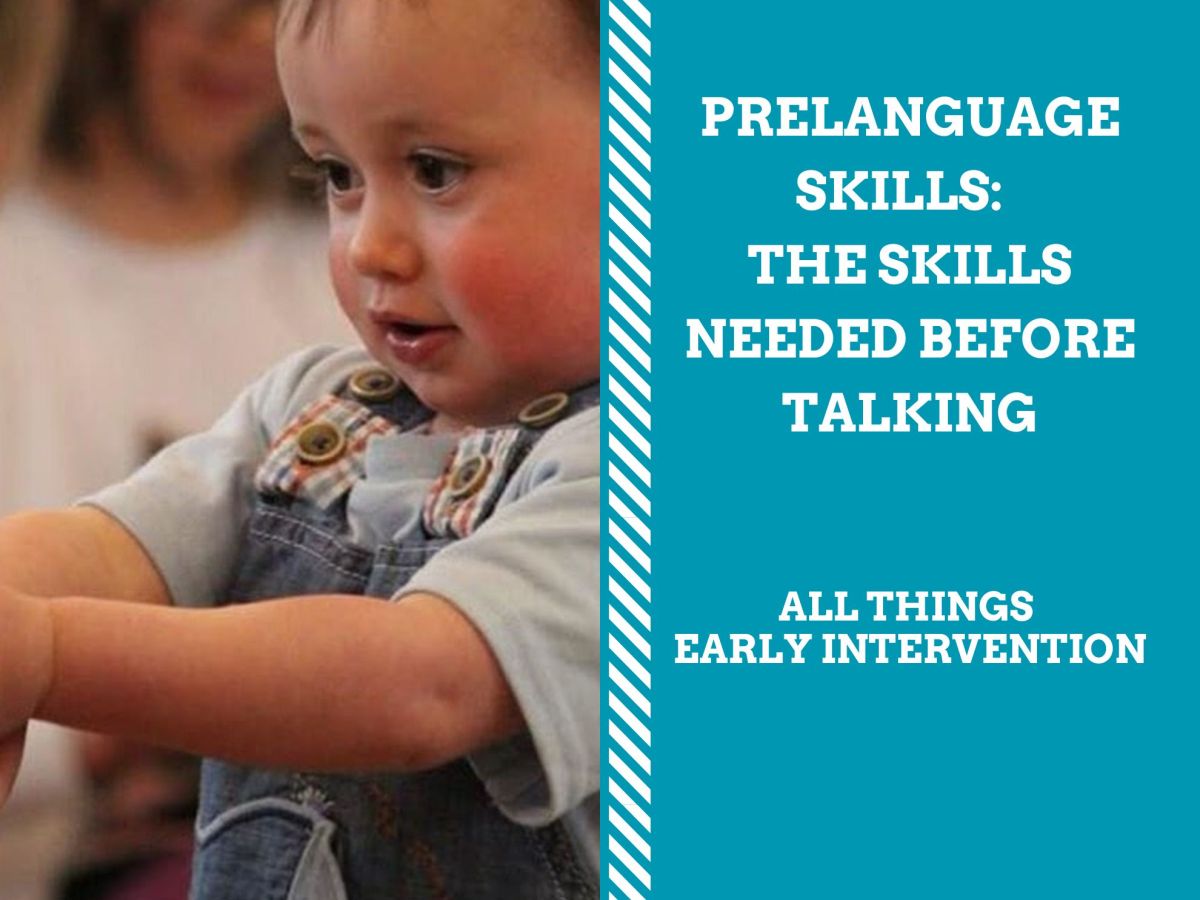
This training session looks at the prelinguistic skills every child must learn before they can learn to talk. Participants will learn playful intervention strategies to promote these skills and, as a result, promote language to the little ones in their care.
Remember that you, the parent, are your child’s best toy to encourage talking. Playing with you is the best way to increase interactions that lead to talking. When choosing toys, be sure to stick to the basics, include some “people toys” and help your child use her imagination.
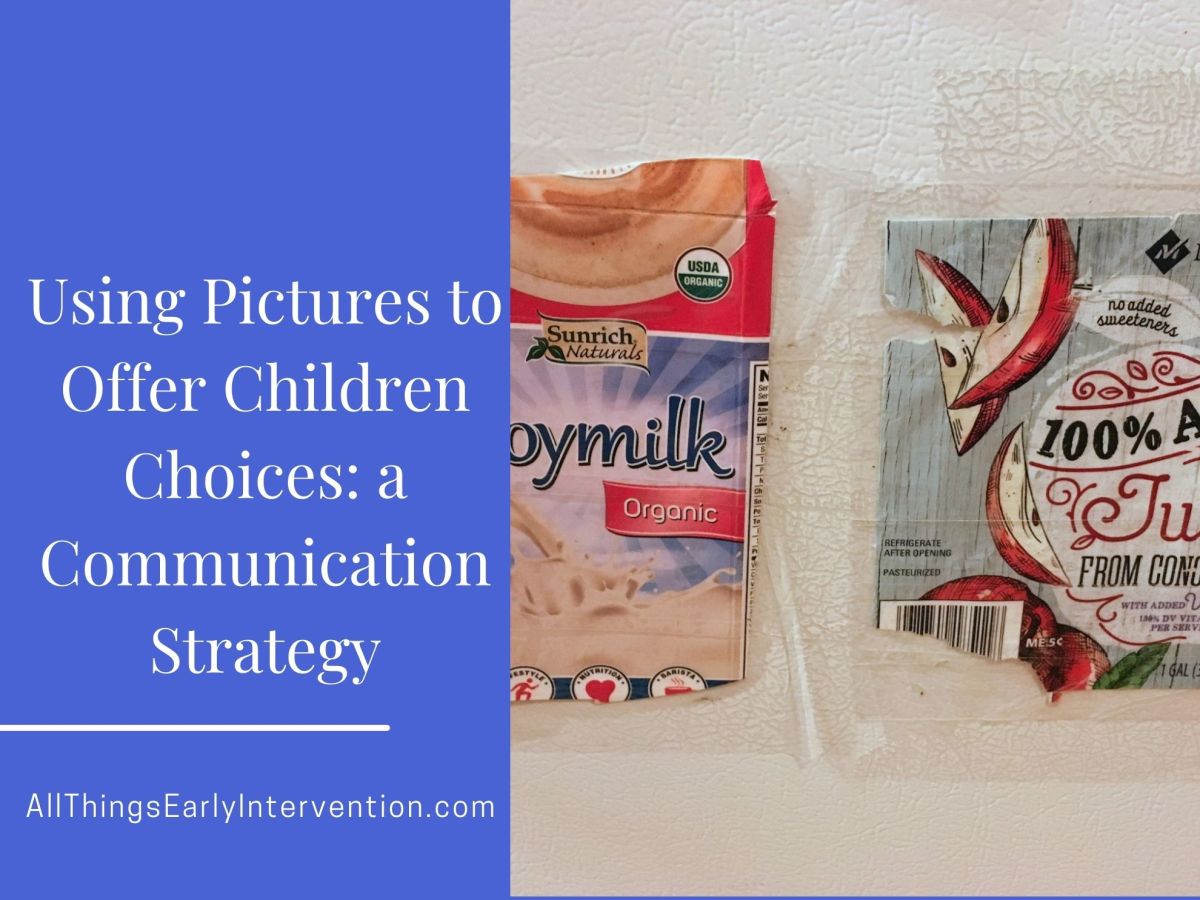
It takes some experimenting to find a strategy that works. One strategy that I try early on is using a picture, an object, or a sign/gesture to bridge the gap in communication.
My instinct to guard glue stick caps comes from my days as a toddler classroom teacher, where glue stick caps were not only a choking hazard but also a hidden teaching opportunity.
With these two things happening, modeling sounds and nonverbal turn-taking, the environment is ripe for imitation. Each child is different, and it may take time, patience, and experimentation to determine what sounds/ activities motivate them.