
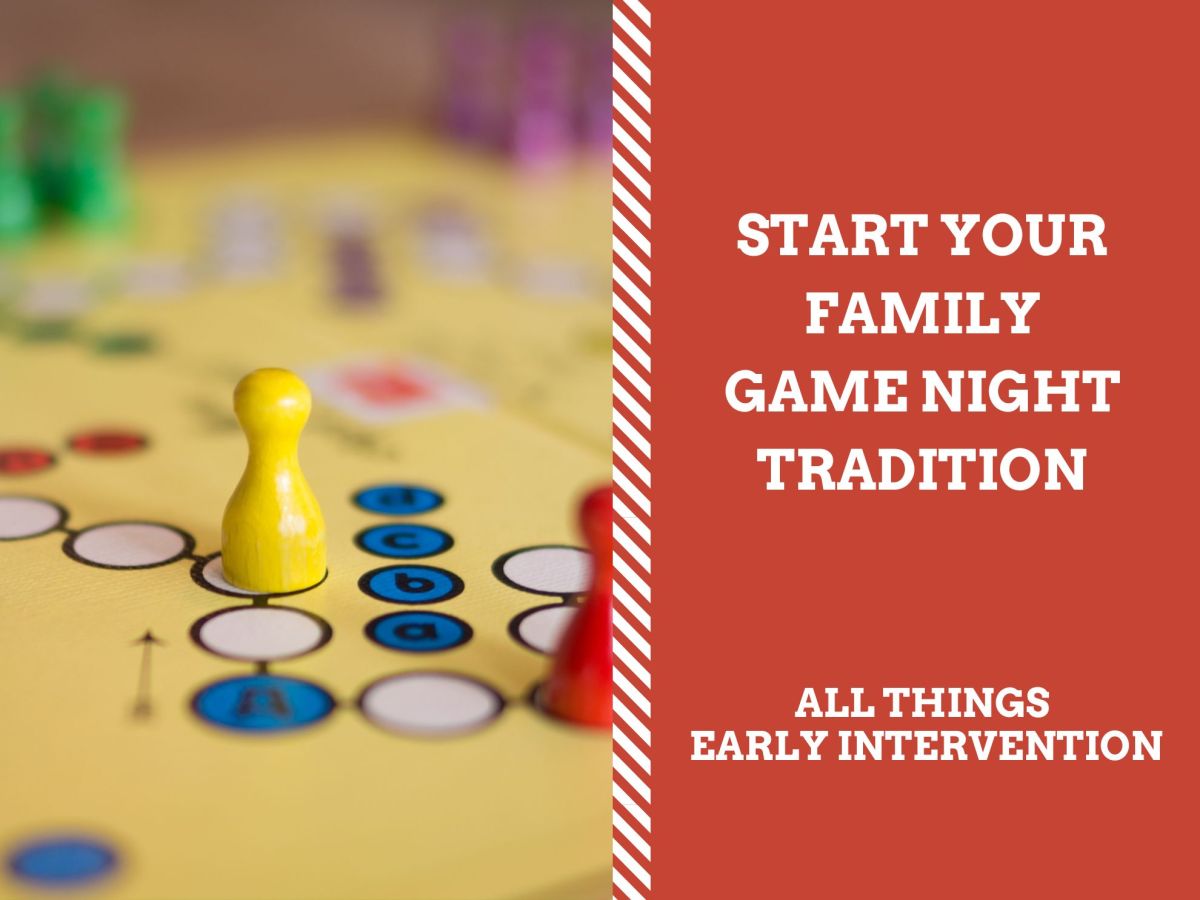
The Ultimate Guide to Family Playtime
Building a strong, loving family bond doesn’t require elaborate vacations; it starts with simple, positive activities and intentional time spent together. Whether you are looking to boost your child’s development or simply reduce household stress, establishing a regular family game night or dinner tradition can make an almost instant difference.
The Science of Balance: Why Play Matters
Modern families face the constant challenge of screen time. Research highlighted by Robert Myers notes that 95% of U.S. children and teens may be overdoing it. The American Academy of Pediatrics (AAP) suggests focusing on a balanced daily routine that includes exercise, sleep, and, crucially, “Engaging in play activities that don’t involve electronics” and “Spending time with other members of the family”.
The Hidden Benefits of Family Game Night
Family game night is more than just entertainment; it is a tool for skill-building and bonding.
- Physical and Academic Growth: Games can improve motor skills (e.g., Jenga or Operation) and even boost academic grades (Scrabble for literacy or Uno for math) [4].
- Life Skills: As Marie Hartwell-Walker explains in Psch Central, “Games teach important life skills. To win a game, one has to follow the directions, take turns, be patient, and stay friendly with the others around the table”. They also offer a safe space to teach sportsmanship, helping children learn to be “gracious winners and good losers.”
- Mental Health: gathering for a game reduces Stress because laughter helps family members forget about your worries (even if it’s just for an hour or two).
Overcoming the “Boredom” Trap
If you find traditional games like Monopoly or Life frustrating, you aren’t alone. Michelle Icard of Your Teen Magazine admits that in the past, her family game nights involved drawn-out turns and arguments over rules: “I always started with the best intentions, but twenty minutes in, I was ready to ground everyone. I like something with a bit more speed and creativity”.
To keep interest high:
- Try Faster Games: Consider card games like Pit, where everyone plays at once, or creative games like Say Anything.
- Let Kids Lead: parents can let children pick the music and the games, or even teach the parents how to play their own favorite computer games.
- Stay Positive: A parent’s attitude is contagious; treat game night as an enjoyable opportunity rather than another chore on the “to-do” list.
Strategies for Success
To make your new tradition stick, follow these expert tips:
- Involve the Kids: Let them help choose and purchase the games so they are more invested.
- Schedule It: Mark game night on the calendar and don’t let other activities interfere.
- Eliminate Distractions: Create a “specialness” by turning off the TV and banning cell phones for that hour.
- Keep it Inclusive: Choose games suitable for all ages or pair younger children with older ones.
The Power of the Family Dinner
Game nights and family dinners are natural partners. Dr. Anne Fishel of The Family Dinner Project notes that 20 years of research shows regular family meals are “great for the brain, the body and the spirit” . Dinnertime conversation boosts vocabulary in young children more than being read aloud to and is linked to a significant reduction in high-risk behaviors in teenagers.
Dr Natalie Muth of Healthy Children suggests involving children in meal prep, keeping menus simple, and turning off all screens to ensure the focus remains on love and active listening.
Redefining “Quality Time”
Finally, don’t feel guilty about the amount of time you spend. Stanford experts suggest that “All Family Time Is Quality Time“. You can build a strong team dynamic through simple, daily actions:
- Give children your undivided attention when they speak.
- Listen to their music or watch their favorite age-appropriate shows with them.
- Establish small traditions, like a Friday pizza night.
Starting small is key. Whether it’s once a week or once a month, start a new tradition today and enjoy the laughter and teamwork that follows.
Reference List for Family Play Time
Ankowski, A., & Ankowski, A. (July 22, 2015). Bringing back family game night. PBS Parents.
This source outlines how games improve motor skills (e.g., Operation, Jenga) and can lead to better grades through literacy and math practice in games like Scrabble and Uno. It also notes that games help children develop problem-solving abilities
http://www.pbs.org/parents/thrive/bringing-back-family-game-night
Atkins, M. (2017, February 1). Benefits of family game night. Mommy University.
Atkins focuses on the stress-reducing power of family play. She explains that shared laughter helps family members “forget about your worries” and fosters unique family interactions and strategies.
https://mommyuniversitynj.com/2017/02/01/benefits-of-family-game-night/
Muth, N. D. (2024, May 14). Benefits of family meals: Eat together, thrive together. HealthyChildren.org.
This article explores how gathering for shared family meals significantly improves a child’s physical, emotional, and academic well-being. By eating together at least three times a week, families create a vital space to model healthy nutritional habits, strengthen interpersonal connections, and foster better mental health outcomes. https://www.healthychildren.org/English/family-life/family-dynamics/Pages/family-meals-eat-together-thrive-together.aspx
Carrero, K. (n.d.). Why start family game night?
Carrero emphasizes that play helps families work through self-doubt together. She argues that positive shared activities are critical for building a strong, loving family bond almost instantly. https://karacarrero.com/why-start-family-game-night/
Brinkley. (2016, February 12). Strengthen families- make meal time a priority! UF/IFAS Extension Liberty County.
This article characterizes the family meal as a “magic bullet” capable of improving a family’s health, a child’s success, and overall quality of life. Research cited in the post indicates that regular family meals lead to stronger family bonds, better-adjusted children, and a reduced risk of substance abuse. To successfully implement this tradition, the author suggests starting small with two or three meals a week, involving children in meal preparation, and eliminating electronic distractions such as televisions and cell phones. http://edis.ifas.ufl.edu
Fishel, A. (2015, January 27). It’s science: Eat dinner together. The Family Dinner Project.
Fishel details how 20 years of research shows family dinners benefit the brain, body, and spirit. They boost vocabulary in children and serve as a “seat belt” that protects teenagers from high-risk behaviors. https://thefamilydinnerproject.org/
Hartwell-Walker, M. (n.d.). Family fun in a box. Psych Central.
This source discusses how games teach life skills like patience and following directions. It also provides advice for success, such as eliminating distractions (turning off TVs/phones) and marking game night on the calendar. https://psychcentral.com/lib/family-fun-in-a-box/
Icard, M. (n.d.). Favorite family games: Shake up family game night. Your Teen Magazine.
Icard argues against slow, rule-heavy “kiddie classics” and recommends fast-paced, creative games like Pit and Say Anything to keep both parents and teenagers engaged. https://yourteenmag.com/family-life/communication/family-game-night
Myers, R. (n.d.). Recent research says 95% of US kids and teens are overdoing screen-time: A family approach may be the solution. Child Development Institute.
Myers discusses the 2016 AAP guidelines, emphasizing a balance in daily activities. He stresses that children need enough time for exercise, sleep, and non-electronic play with family members. https://childdevelopmentinfo.com/child-health-news/recent-research-says-95-of-us-kids-and-teens-are-overdoing-screen-time-a-family-approach-may-be-the-solution/
Seaton, J. (2017, December 11). Family playtime: Making time to have fun together. Your Teen Magazine.
Seaton explores strategies for getting kids to “put down their phones” and join family activities. The article notes that games teach teens about problem-solving, creativity, risk-taking, and teamwork.
Found on https://yourteenmag.com/family-life/communication/family-play-time
Stanford Children’s Health. (n.d.). All family time is quality time.
This perspective encourages simple engagement over the pressure of “quality time.” Suggestions include undivided attention, listening to a child’s music, and establishing traditions like Friday pizza nights. https://www.stanfordchildrens.org/en/topic/default?id=why-the-family-meal-is-important-1-701
Taste of Home. (n.d.). Family game night.
This source provides game-inspired recipes to make the night more special, such as “Million Dollar Fudge” for Monopoly and “Alphabet Meatball Soup” for Scrabble. https://www.tasteofhome.com/collection/family-game-night/
 All Things Early Intervention