
When I was in school, the system for managing behavior was simple, if harsh: write your name on the chalkboard, and check marks and a possible paddling would follow.
Later, when I became a mother, my child’s classroom (as well as everyone else’s) employed a color-coded traffic light chart. Everyone seemed to love this system. Our experience, however, was not as positive. While I ultimately found ways to adapt and support my child through it (a story for another time), the discomfort of that behavior method stayed with me.
Now, as a professional in Early Childhood Education, I’m aware of the growing consensus against the use of public, generic behavior charts in classrooms. Despite the controversy, I hold the opinion that a carefully constructed, individualized behavior chart, crafted for the purpose of meeting one behavior goal, can still be a useful tool. We just have to use them with intention and kindness.
The Behavior Chart Controversy
On one side, the chart is presented as a helpful, visual tool. In this view, behavior charts are designed to track and reinforce positive actions and choices, helping a child feel empowered by making their desired behavior visible. The core principles for success here rely on:
- Focusing on Positive Behaviors: Using clear, actionable phrases like “Put toys on the shelf,” instead of negative language like “Don’t make a mess.”
- Consistency and Clarity: Maintaining expectations and always explaining why the sticker was earned to reinforce the specific choice.
On the other side, experts voice strong opposition, arguing that these systems are a misguided. The criticism is that public charts can cause shame, anxiety, and a loss of motivation by making struggles highly visible. Traditional charts fail because they:
- Address Symptoms, Not Causes: Children who struggle often lack the necessary developmental skills to meet expectations, and using a chart only reinforces the harmful message that they are simply making the “wrong choice.”
- Ignore Trauma Logic: Challenging behaviors are frequently unconscious reactions—not intentional defiance. When we punish these reactions, we are being counterproductive.
- Reliance on Extrinsic Rewards: an over-reliance on external rewards, like prizes or public praise, can undermine the development of intrinsic motivation—the internal drive to do something simply because it feels good or right.
Our Behavior Chart: What Worked for Us
Can we acknowledge the harm of public shaming, but retain the power of visual feedback?
A visual chart is simply a visual representation of the behavior goals. When done privately and through a lens of relationship-driven practice, I believe they are acceptable.
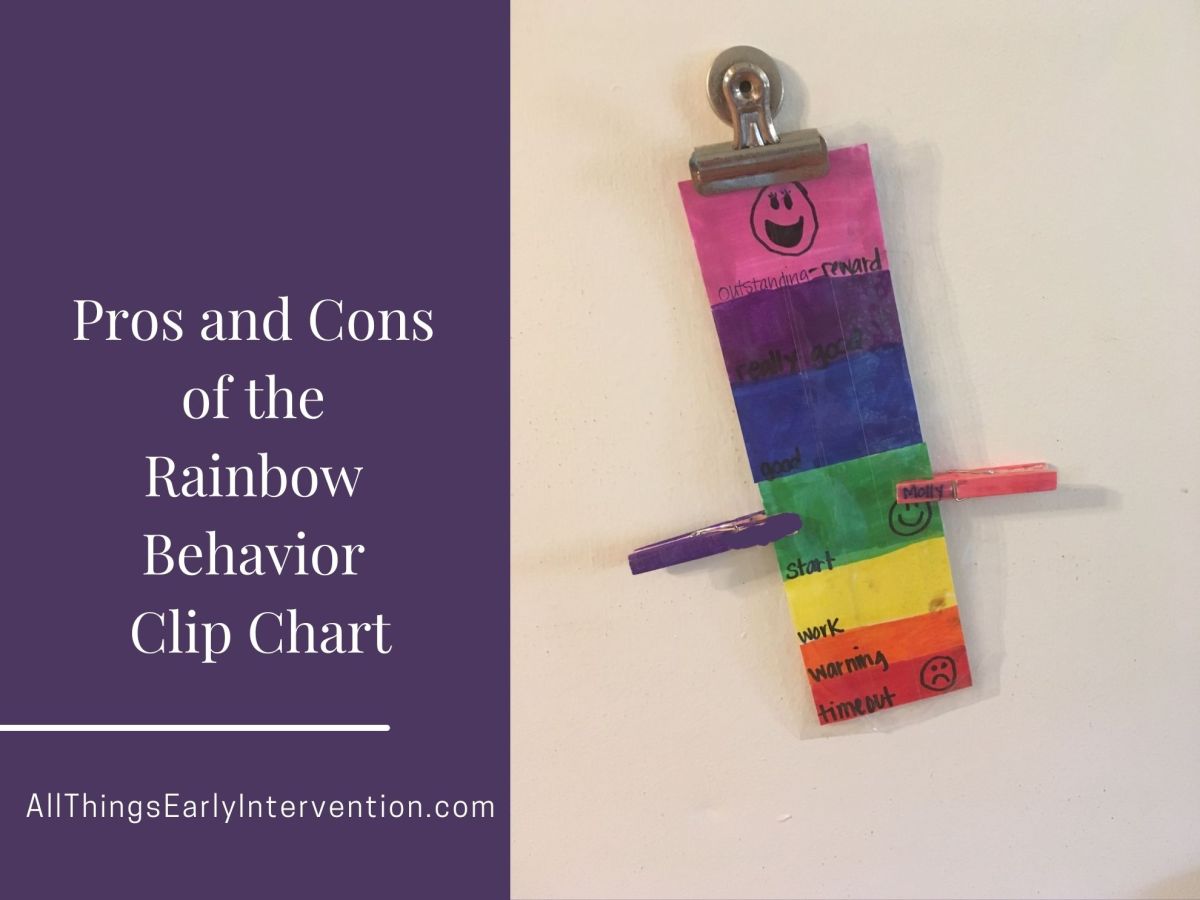
This is how we adapted the concept with my four year old foster daughter. Her chart was a small, DIY rainbow. She was struggling with name-calling and insults. The goal, however, was framed positively: being “kind” to her family. I believed she was as capable of understanding the expectation. She was just not aware of how mean the things she said were.
- When she said or did something genuinely nice, she was praised for it and her clip went up the rainbow.
- When she said something unkind, I calmly explain to her how what she did or said wasn’t nice, and we moved her clip down the rainbow.
- The reward was an activity (extra special playtime) that she earned by ending up on the top half of the rainbow.
Crucially, this system was handled privately between her and me. There was no public consequence or shaming. This individual, simple visual helped her connect her action (saying a kind word or saying an unkind word) to the immediate cause and effect (moving the clip up or down the rainbow) within a safe, supportive framework. It was a scaffolding tool, not a public judgment.
A Path Forward
Ultimately, we must move away from generic, public behavior charts toward trauma-informed, neuroscience-aligned, and relationship-driven approaches. Our focus should be on building a child’s skills for emotional regulation and understanding the root cause of challenging behavior, not just stamping out the symptom.
However, we can still use the underlying principles of the chart—consistency, clarity, and visual feedback—in modified ways. By ditching the public element and ensuring our “rewards” are primarily relational and motivational, we can use simple visuals as effective, short-term scaffolding.
What are your thoughts on this balance? What simple, visual tools have you found to be effective and non-shaming when working one-on-one with a child? Let’s continue the conversation on how we can better support our little ones without sacrificing their self-worth.
References
- WebMD Editorial Contributor. (2025). Are There Benefits of Behavior Charts for Children? WebMD.
- Stephens, G. (2023). Behaviors Charts: Helpful Strategy or Harmful Practice? Opening Doors to Safer and More Inclusive Schools.
 All Things Early Intervention