
I consider myself pretty flexible and well-versed in child development. Yet, there was a day when my “weird meter” went completely off the charts, and it had everything to do with a child’s simple food request.
Shortly after we welcomed “Little Nugget” into our home she was whining for food, but refused everything I offered—the fruit, the crackers, the carefully prepared small plate of dinner.
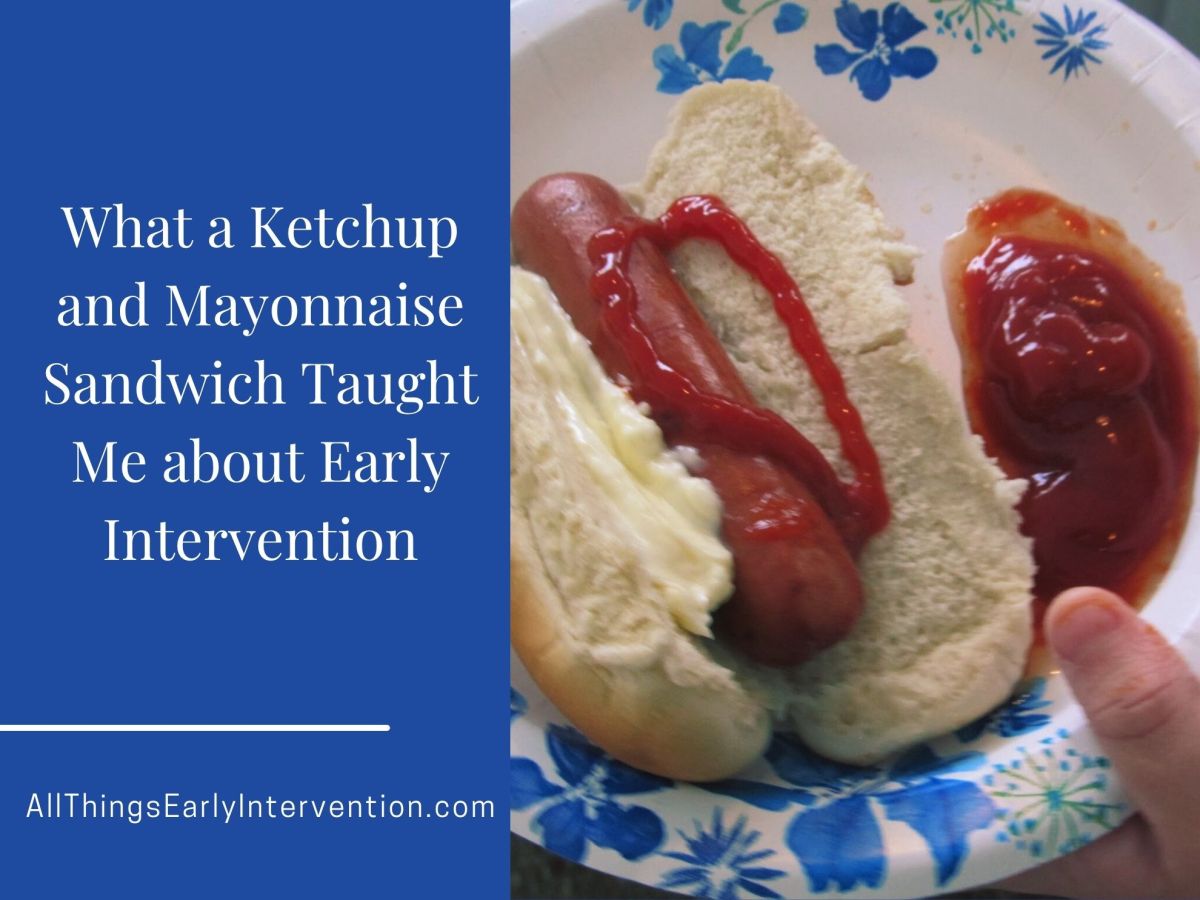
Finally, I just asked her what she wanted, and she only asked for a piece of bread. I gave it to her, then I opened the fridge and let her point. She pointed to the ketchup. Okay, —a bit strange, but whatever brings comfort. Then she pointed to the mayonnaise.
Ketchup. Mayonnaise. On white bread.
This is where my inner dialogue—screamed, No, that’s gross. I draw the line.
I fixed the sandwich grudgingly.
She ate it happily. SO very happily.
It was in that moment, seeing her small face relax as she ate her bizarre sandwich, that I realized what a jerk I was being. Who was I to arbitrarily decide this particular list of ingredients was not “okay” or “normal”? This wasn’t gross; this was probably what she was served at home. This was her familiar.
I could have used a reminder from Daniel Tiger about remembering to be kind.
This was a different part of cultural sensitivity—honoring a child’s history, even when it looks like a ketchup and mayo sandwich. It was a humble, matter-of-fact lesson in stepping outside my own bubble.
I even found a fun video celebrating the dish
What Trauma-Informed Research Tells Us About Eating
My revelation about comfort was strongly supported by research on foster care challenges. As highlighted in a blog post by The Foster Care Associates (FCA), a foster child’s difficulties with food rarely boil down to simply being a “fussy eater.” Instead, these challenges are often rooted in neglect and trauma.
Experiences like limited food access, abuse, or the trauma of being removed from a home can affect a child’s relationship with eating. The article highlights two key behavioral anchors that explain “Little Nugget’s” choice:
- Comfort Food: Children cling to familiar foods because they remind them of home and provide a deep sense of comfort and familiarity during an incredibly stressful and chaotic life transition. Even if the food isn’t high in nutritional value, its emotional value is priceless.
- Control: When a child’s life has been completely upended and they have little control over anything, the ability to choose exactly what goes into their mouth provides a vital, necessary sense of control.
A therapeutic approach, is one in which caregivers honor a child’s current, preferred food choices—what they call “safe food”—within reason. By consistently serving this safe food, you provide stability and reduce anxiety, establishing a secure baseline.
When a child feels safe and understood, their stress hormones decrease, and they become far more receptive to gentle guidance in all areas, including nutrition.
Practically, this means:
- Decouple Food from Power: Allow the child to have choices. Giving controlled, small choices helps restore their sense of agency.
- The Gradual Introduction: Once the child is settled and the relationship is secure, new, healthy foods can be slowly introduced alongside their safe food. Encourage them to touch and smell the new options, prioritizing exploration over consumption, and letting the child take the lead.
The temporary compromise of a ketchup and mayonnaise sandwich is an investment in the child’s long-term emotional well-being and a precursor for any future nutritional progress.
References

The Foster Care Associates Blog

Daniel Tiger on YouTube
PBS Kids. We Like Different Things. YouTube. Accessed 10/30/25.

The Ketchup Sandwich Song on YouTube
 All Things Early Intervention