
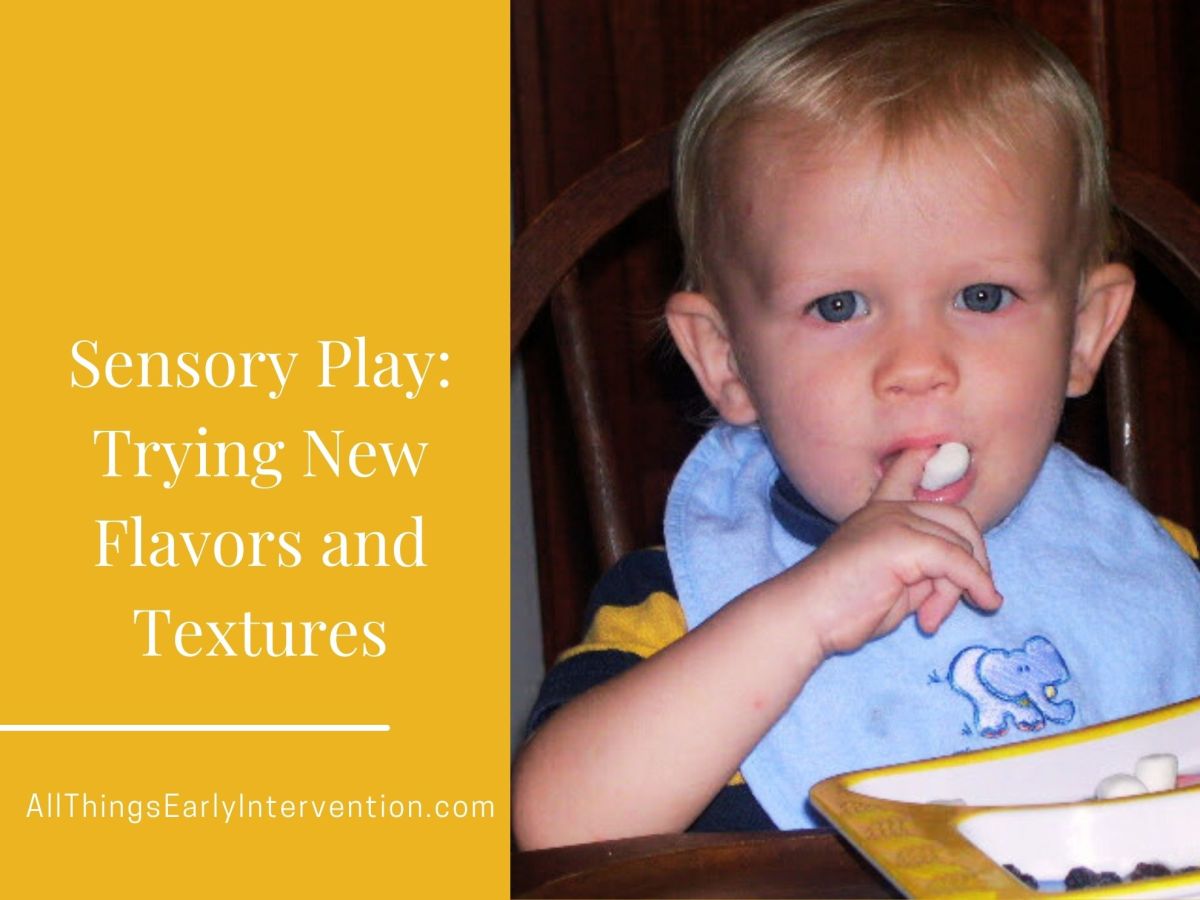
Expanding Sensory Play Through Taste, Smell, and Texture
As early interventionists, we understand the importance of sensory play in a baby’s development. Sensory feedback is their primary language, their way of exploring and understanding the world around them. While we often focus on sight, sound, and touch, it’s crucial to remember the power of taste and smell – senses deeply intertwined with texture, and vital for a holistic sensory experience.
Exposing children to a rich tapestry of smells, textures, and tastes opens them up to an entire universe of learning. It’s about more than just identifying flavors; it’s about building neural pathways, fostering curiosity, and laying the foundation for future exploration.
“The main aim of this study was to examine whether pre-school children who took part in a multisensory play activity with fruits and vegetables, without pressure to eat or to try the foods, would taste more FV than children engaged in a non-food activity or those visually exposed to the activity. It was found that children in the sensory FV play condition tried significantly more fruits and vegetables post activity than children in the other two conditions,”
Play with your food! Sensory play is associated with tasting of fruits and vegetables in preschool children, Appetite.
Expanding the Sensory Horizon
Let’s move beyond the typical sensory bins. Consider introducing smells that aren’t tied to food. A gentle lavender lotion, a mild baby bath, or even the distinct scent of new play dough or crayons can be powerful sensory experiences. These non-food smells broaden their olfactory understanding and create a richer sensory landscape.
Texture, of course, is a constant companion to smell and taste. Encourage children to explore diverse textures with their hands and feet. A soft blanket, a bumpy ball, or even the cool smoothness of a polished stone offer valuable tactile feedback.
Flavors in Everyday Life
We can weave flavors into everyday routines. Consider the simple act of brushing teeth. A mild, fruity toothpaste introduces a new flavor experience twice daily. This repetition helps build familiarity and acceptance. Even toys can contribute to this sensory exploration. Brands like Discovery Toys, with their scented and textured teethers, provide multi-sensory engagement that enhances learning.
Food: The Ultimate Sensory Adventure
Self-feeding, often a messy but essential milestone, is a natural opportunity for children to explore textures with both their hands and mouths.
Embrace the mess; it’s a critical part of their sensory learning.
Naturally, food remains the most comprehensive and readily available sensory tool. Trying a diverse range of foods instantly exposes children to new textures, smells, and tastes. From the smooth sweetness of a ripe avocado to the tangy zest of a citrus fruit, each bite is a sensory adventure.
It’s not about creating elaborate sensory experiences every day. It’s about being mindful of the sensory opportunities that already exist and maximizing them.
Encourage parents to embrace the mess, to slow down and allow their children to truly engage with their senses.
Remember, these early sensory experiences are the building blocks of a child’s understanding of the world. By intentionally incorporating taste, smell, and texture into our interventions, we’re not just stimulating their senses; we’re nurturing their curiosity, fostering their development, and creating a richer, more meaningful learning experience.
As early interventionists, we have the privilege of guiding children through these foundational stages. Let’s work together to create sensory-rich environments that encourage exploration and discovery!
Some Related Products on Amazon
As an Amazon Associate, I earn on qualifying purchases.

Grinding table food creates and I stand sensory experience.



References
Coulthard, H., & Sealy, A. (2017). Play with your food! Sensory play is associated with tasting of fruits and vegetables in preschool children. Appetite, 113, 84–90. https://doi.org/10.1016/j.appet.2017.02.003
 All Things Early Intervention