

February 27 is National Strawberry Day! I had planned to share my “Pete the Cat and His White Shoes early intervention learning activities, complete with some fun strawberry-themed ideas. And I still will, but something unexpected happened and I got a little sidetracked.
Strawberry Allergy: A Sudden and Shocking Change
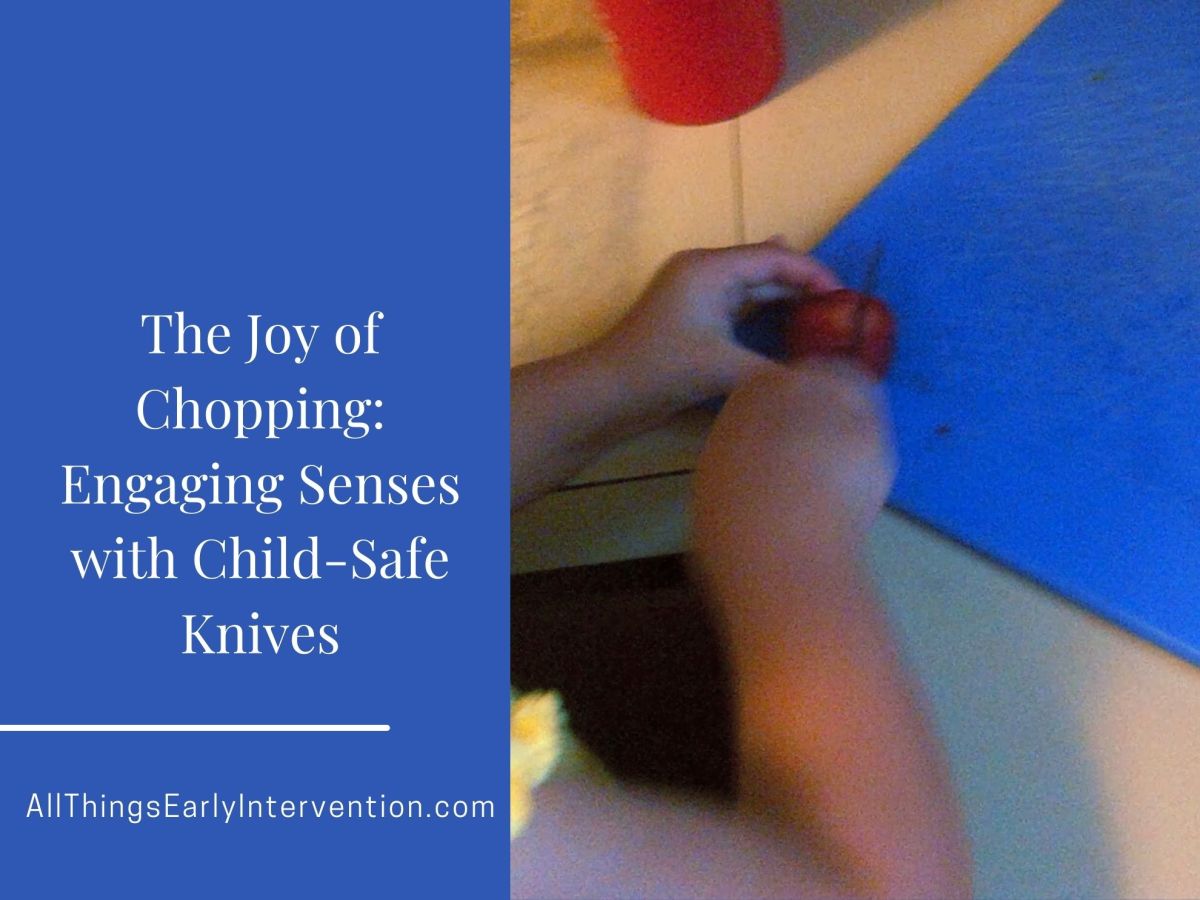
Here’s the thing: my 15-year-old daughter has suddenly developed a severe strawberry allergy. I’m talking throat-swelling, EpiPen-carrying allergy. It’s a huge shock for our family, especially since we’ve always been strawberry lovers. She’s eaten them her entire life. In fact, there’s a picture of her chopping strawberries in a previous blog post. Now? We’re navigating an anti-strawberry life, it seems.
Edited to Add: Turns out she is NOT allergic to strawberries, but rather having something else that is complicated, but at least she can eat all the strawberries she wants!
Strawberry Grief
As part of my strawberry-grieving process, let me share a moment from my “hot stuff” motherhood era. I once made a patriotic angel food cake with blueberries and strawberries. My kids helped, and it felt like a perfect mother-of-the-year bonding moment. Now, I guess I’ll be switching to cherries next time.

Food Allergies in Teens
It’s a strange thing, these sudden allergies. According to “Hidden Dangers: Food Allergies and Teens,” teens are responsible for their own food choices which is good and bad. Good because I don’t have to police her, bad because I can’t. You can read more here:
“Although most parents expect teenagers to take risks, the poor choices food-allergic teens make are especially dangerous because they could lead to death. These risks occur because teens may be more likely to eat unsafe foods, deny reaction symptoms, and delay treatment. They also neglect to carry their life-saving rescue medication, epinephrine, says Dr. Sicherer, who is co-author of The Complete Peanut Allergy Handbook. Why do they do it? Surveys of food-allergic teens reveal that many take risks because they feel that the food allergy socially isolates them. In fact, 94 percent of surveyed teens said that social isolation was the worst part of having a food allergy.”
“Hidden Dangers: Food Allergies and Teens” published in healthychildren.org accessed Feb 23, 2025.
Food Allergies & Young Children
It’s also important to understand the signs of allergic reactions, especially in children. The Johns Hopkins website provides valuable information on this topic:
“Young children can’t always clearly explain their symptoms, so sometimes parents have to interpret what the child is feeling. The first sign before these symptoms develop may include changes in their demeanor, sometimes even before other symptoms (hives, swelling, cough, and vomiting). In case of an allergic reaction to food, the baby/young toddler might refuse to eat the food further after the first few bites.
Your child might be having an allergic reaction if they say something like:
“Dealing with Allergic Reactions in Children” webMD
- “There’s something stuck in my throat.”
- “My tongue is too big.”
- “My mouth itches.”
But…strawberries are so yummy!
And let’s be honest, strawberries are fantastic. WebMD highlights this in the article “Health Benefits of Strawberries.”
“The health benefits of strawberries are plentiful. They naturally deliver vitamins, fiber, and particularly high levels of antioxidants known as polyphenols—without any sodium, fat, or cholesterol. They are among the top 20 high-antioxidant fruits and are a good source of manganese and potassium. Just one serving—about eight berries—provides more vitamin C than an orange.”
“Health Benefits of Strawberries,” WebMD
It makes this allergy all the more disappointing.
Strawberry Day Caution and Awareness
In my years of working with children in the classroom and in homes with early intervention, I’ve used strawberries without incident. However, this experience with my daughter has taught me that allergies can develop at any time. Just because we haven’t seen reactions before doesn’t mean they won’t happen. If you’re using strawberries in the classroom, especially with children trying them for the first time, it’s crucial to be vigilant for any signs of an allergic reaction.
Celebrating Strawberry Day (With Caution)
Even with my daughter’s allergy, I guess the world can still celebrate Strawberry Day, just with a bit more awareness:
- Pete the Cat Activities: Continue with the planned “Pete the Cat” activities, adapting them if needed.

- Kid-Safe Knife Skills: Use child-safe plastic knives to slice strawberries (for those without allergies)
- Patriotic Angel Food Cake: Try making a patriotic cake with blueberries and cherries, enjoying the moment of baking bliss.
- Awareness: Always be ready to identify and react to allergic reactions.
- Read a cute book: As an Amazon Associate, I earn a small commission on qualifying purchases at no cost to you.

Strawberry Conclusion: Life’s Unexpected Turns
Life throws curve balls, and sometimes those curve balls involve sudden and unexpected changes. While I’m navigating this new reality of a strawberry-free life for my daughter, I’m also reminded of the importance of adaptability, especially when working with children. We can still celebrate the good things, even when faced with challenges.
Some Related Products on Amazon
As an Amazon Associate, I earn on qualifying purchases.

Strawberries Are Red

The Little Mouse, the Red Ripe Strawberry and the Big Hungry Bear
The Little Mouse, the Red Ripe Strawberry, and the Big Hungry Bear


References
Johns Hopkins Medicine. (2025). Dealing with allergic reactions in children.
Wiginton, K. (2025, August 7). Health benefits of strawberries. WebMD.
 All Things Early Intervention