
Our foster son had challenging behavior. He was a sensory-seeking bundle of energy that never stopped moving and getting into things. If he had to be redirected even in a positive way, he could get defensive and erupt in explosive tantrums. Once in a tantrum, he would hurt himself and others by biting and clawing and hitting his head on the floor.
My own approach to dealing with challenging behavior is influenced by positive behavior support, social-emotional learning, and trauma-informed care.
What Are Challenging Behaviors?
Challenging Behaviors –defined is “Any repeated pattern of behavior that interferes with or is at risk of interfering with the child’s optimal learning or engagement in pro-social interactions with peers and adults” — NCPMI (National Center for Pyramid Model Innovations)
What Is Positive Behavior Support?
- An individualized approach to developing effective interventions for children with severely challenging behavior. It is developed from the science of applied behavior analysis (behavior modification). Positive Behavior Support or PBS uses positive strategies to support children in achieving meaningful, long-term outcomes.
- Prevent, Replace, Respond
- Prevention strategies reduce the likelihood that the child will need or want to use the challenging behavior.
- A good replacement strategy is to redirect the child to use an alternative skill or a new skill.
- Responding: Praise/reinforce when replacement skill is used.
- All three pieces (prevention, new skills, responses) must be implemented.
Reference: “Positive Behavior Support: An Individualized Approach for Addressing Challenging Behavior” from Center on the Social and Emotional Foundations for Early Learning, What Works Brief Training Kit #10 April 2009 from www.vanderbilt.edu/csefel/
What Is Social Emotional Learning?
Social and emotional learning is a strengths-based, developmental process that begins at birth and evolves across the lifespan. It is the process through which children, adolescents, and adults learn skills to support healthy development and relationships
Social and emotional competencies include self awareness, self management, social awareness, relationship skills, and responsible decision-making.
Reference: Weissberg, Roger & Durlak, Joseph & Domitrovich, Celene & Gullotta, T.P.. (2015). Social and emotional learning: Past, present, and future. Handbook for social and emotional learning: Research and practice. 3-19.
The Need for Trauma-Informed Care in Foster Care
“Compared to the general population, youth in foster care are significantly more likely to have experienced violence, specifically abuse and/or neglect (Burns et al., 2004). It is estimated that approximately 90-percent of children in foster care have experienced a traumatic event, with nearly half reporting exposure to four or more types of traumatic events (Stein et al., 2001). Given the widespread prevalence of traumatic exposures, it is important for the mental health professionals working with foster care youth, to be aware of the prevalence and various types of trauma that are most common. Focus in treatment is typically on behavioral and emotional reactions rather than addressing the context of these symptoms, including trauma exposure histories and trauma-specific reactions.”
“Clinicians should appreciate the link between how traumatized children understand the world and interact with others differently from other children and how to provide appropriate treatment for children with a history of traumatic exposures.”
Trauma-Informed Care for Youth in Foster Care by Fratto, Carolyn M.
(Archives of Psychiatric Nursing, Volume 30, Issue 3, 439 – 446 10.1016/j.apnu.2016.01.007)
What Is A Trauma-informed Parenting Philosophy?
Safety. Prioritize consistency and predictability in daily routines to create a sense of security.
Trusting Relationships. Build habits of connection where your child feels seen and valued by you personally.
Coaching Emotional Regulation. Your first response to big emotions should be empathy. Help coach them through their emotional experience.
Empathetic Responses to Behavioral Challenges. Balance immediate responses with a commitment to the long-term healing journey.
Realize the cause of the challenging behavior may be connected to past or current traumatic experiences.
Recognize signs of traumatic stress in challenging behaviors and responses.
Respond using the “connect, then redirect” approach: first calm the brain-body reaction, then engage the student in problem-solving.
Resist Re-traumatizing the student by avoiding use of seclusion and restraint, minimizing trauma triggers and creating psychological as well as physical safety.
Trauma-Informed Parenting: Your Complete Guide, Jan 16, 2024 by MASSACHUSETTS ADOPTION RESOURCE EXCHANGE https://www.mareinc.org/articles/trauma-informed-parenting-overview
My Own Approach—a little of this. A little of that.
My own approach to dealing with challenging behavior is influenced by positive behavior support, social-emotional learning, and trauma-informed care. All three of these approaches include high quality environments and responsive relationships.
High Quality Environments–routines, physical space, materials, activities)
Responsive Relationships with caregivers (us)
My own approach to dealing with challenging behavior is influenced by positive behavior support, social-emotional learning, and trauma-informed care. It is a hodgepodge of trial and error, and I’d love to share the stories with you.
All Blog Posts Related to Challenging Behavior
The Sit and Watch Procedure for Behavior Management
I’ve been fortunate enough to attend several conferences where Dr. Robin McWilliam shared his…
Keep reading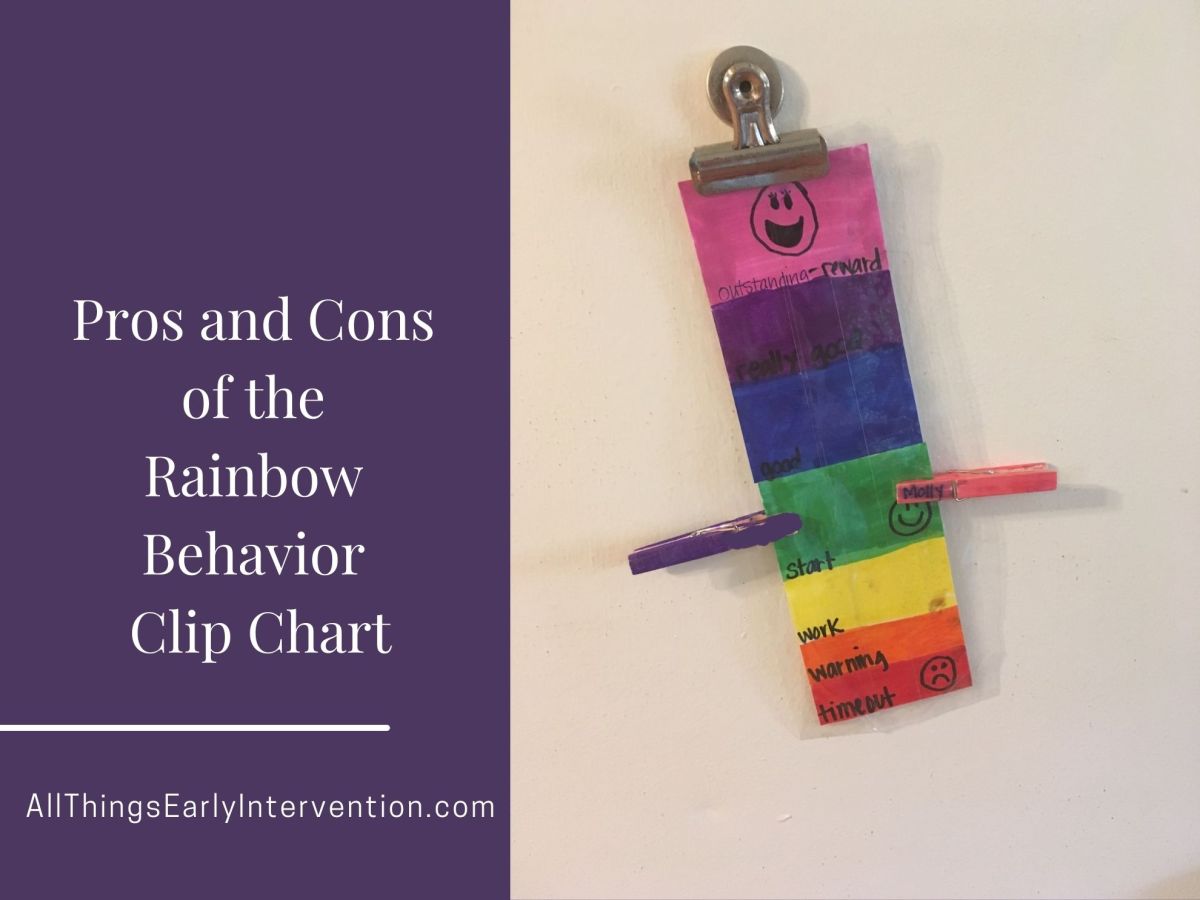
Behavior Charts: Pros and Cons
When I was in school, the system for managing behavior was simple, if harsh:…
Keep reading
Walking on Eggshells: Parenting an Explosive Child
It is important to clarify that a child with violent behavior due to neurological…
Keep reading
Challenging Behavior: Dealing with Children who Bite
As a teacher and foster parent, I have seen biting behaviors resolve through team-based…
Keep reading
Challenging Behavior: Self-Injury
There is no one-size-fits-all solution for a small child hurting himself. It’s a difficult…
Keep reading
Songs with Purpose: “One, Two, Buckle My Shoe” for Sensory Regulation
It offered a fast, intense burst of movement followed by a moment of structured…
Keep readingSomething went wrong. Please refresh the page and/or try again.
Some Related Products on Amazon
As an Amazon Associate, I earn on qualifying purchases.




amazon item
description of item
References
NCPMI (National Center for Pyramid Model Innovations)
Reference: “Positive Behavior Support: An Individualized Approach for Addressing Challenging Behavior” from Center on the Social and Emotional Foundations for Early Learning, What Works Brief Training Kit #10 April 2009 from www.vanderbilt.edu/csefel/
Reference: Weissberg, Roger & Durlak, Joseph & Domitrovich, Celene & Gullotta, T.P.. (2015). Social and emotional learning: Past, present, and future. Handbook for social and emotional learning: Research and practice. 3-19.
Trauma-Informed Care for Youth in Foster Care by Fratto, Carolyn M.
(Archives of Psychiatric Nursing, Volume 30, Issue 3, 439 – 446 10.1016/j.apnu.2016.01.007)
Trauma-Informed Parenting: Your Complete Guide, Jan 16, 2024 by MASSACHUSETTS ADOPTION RESOURCE EXCHANGE https://www.mareinc.org/articles/trauma-informed-parenting-overview
As an Amazon Associate I earn from qualifying purchases.
 All Things Early Intervention