
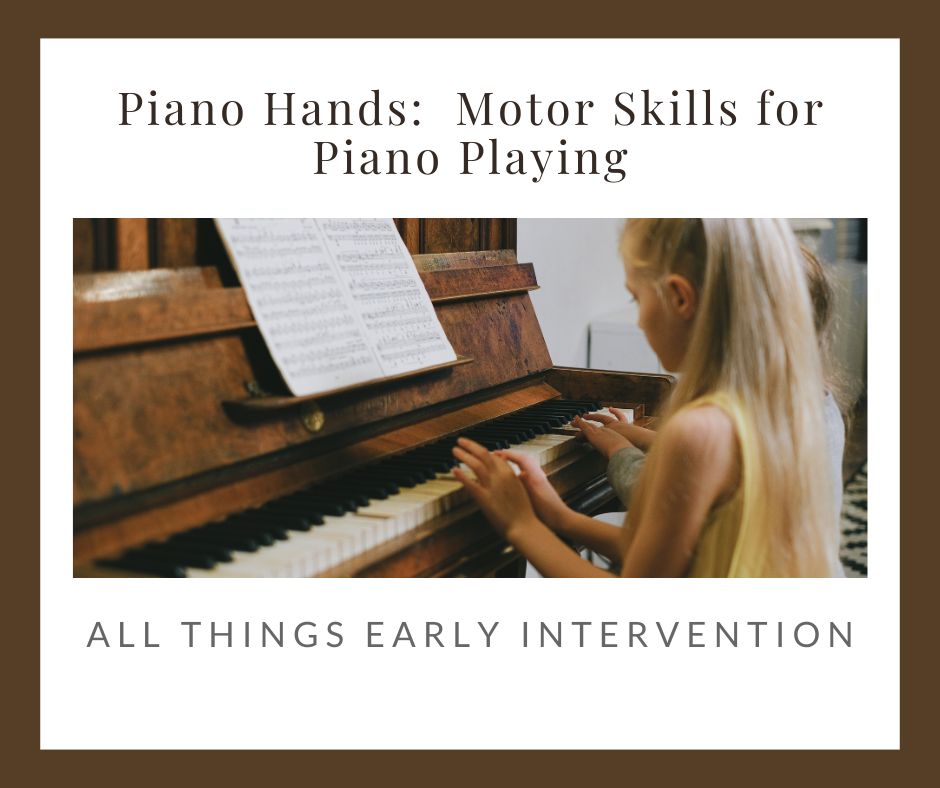

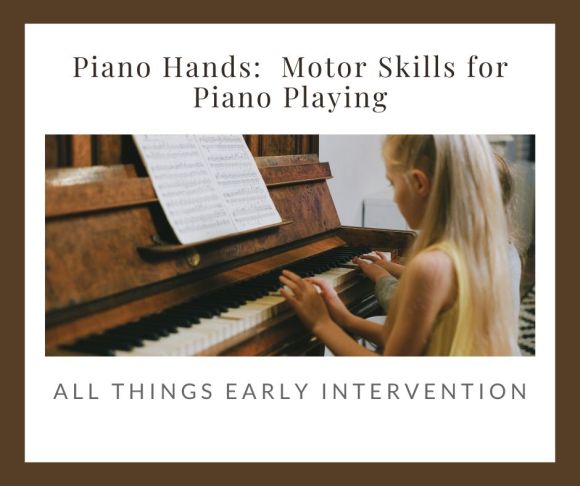
Piano playing requires precise hand and finger movements. How can we teach these complex movements in a developmentally appropriate way? Motor skills include movement of the small muscles (fine) and big muscles (gross). While it may not be obvious how gross motor skills play a role in piano lessons, it is better understood when considering child development.
Piano hands are attached to a piano body.
Because of the proximodistal development principle, we know that motor skills develop in a specific pattern. This pattern starts from the body’s center and gradually extends to the extremities. This sequence of development is relatively consistent across different cultures and societies, which indicates its universality in human development.
The proximodistal deveopment principle explains why the precise movements of the extremities (hands and fingers), depend upon the development of the body’s center (core muscles and head control.)
What Are Gross Motor Skills?
Gross motor skills refer to the skills we use with our large muscles. These muscles help our bodies remain still and move: stationary and locomotion.
Piano playing requires head control and sitting balance to support the manual dexterity involved. Strong core and shoulder muscles are needed to support the upper body and enable precise control of fingertips.
By the way, piano instruction improves fine motor skills.
This research study showed that students who participated in piano instruction had improved fine motor skills.
“Does Music Instruction Improve Fine Motor Abilities?” by Eugenia Costa-Giomi, published in Annals of the New York Academy of Sciences in April 2006, can be accessed at 10.1196/annals.1360.053.
What Are Fine Motor Skills Exactly?
Fine motor skills are the skills that use the small muscles of the hand, allowing us to manipulate objects like spoons, crayons, doorknobs, and piano keys.
Fine Motor Strength is the ability to generate appropriate strength to accomplish a functional task, such as pressing the piano keys and holding them down.
Fine Motor Gradation of Force: generating just the right amount of force to accomplish a functional task. In piano, this is how we achieve things like tone, dynamics, and articulation.
Fine Motor Precision: the hand’s ability to coordinate movements toward a specific goal. For instance, piano playing involves moving one’s hands and fingers to hit the correct keys.
Manual dexterity: This means efficiently executing a quick, precise, and coordinated movement with our hands. Piano playing is a perfect example of manual dexterity.
A Sampling of Motor Skill Activities for Piano Lessons
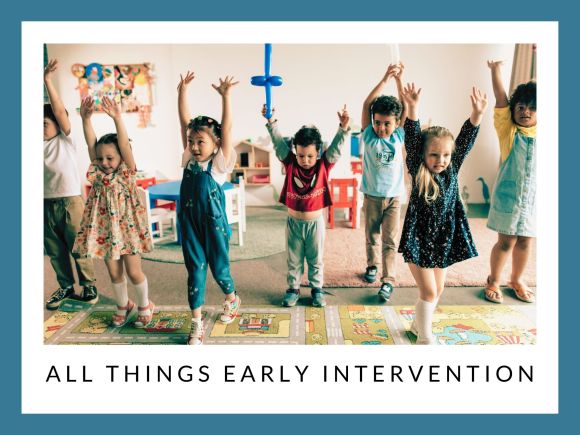
Gross Motor Activities
Animal Walks
https://lilmoptop.blogspot.com/2011/04/animal-command-cards.html?spref=pi These cards show pictures of what the various animal walks are supposed to be.
Sensory Walk
https://www.theottoolbox.com/sensory-stations-free-spring-printables/ Having a sensory walk gives wiggly ones something to do with their energy.
Scarf Activities
https://www.singplaycreate.com/2018/04/12-ways-to-use-scarves-in-music-class.html These scarf activities are an easy way to disguise upper body strengthening with fun.
Yoga Poses

Marching to the beat
This song, Colonel Hathi’s March (The Elephant Song) from The Jungle Book, is my favorite for learning about metric counting because the numbers are literally 1,2,3,4, and it’s catchy.
Relay Races
To adapt a relay race for one-on-one lessons, have the student perform the relay race actions independently and time them. Then, see if they can beat their time the next time they play. This game uses boring flashcards
Fine Motor Activities for Piano
The Crab Exercise
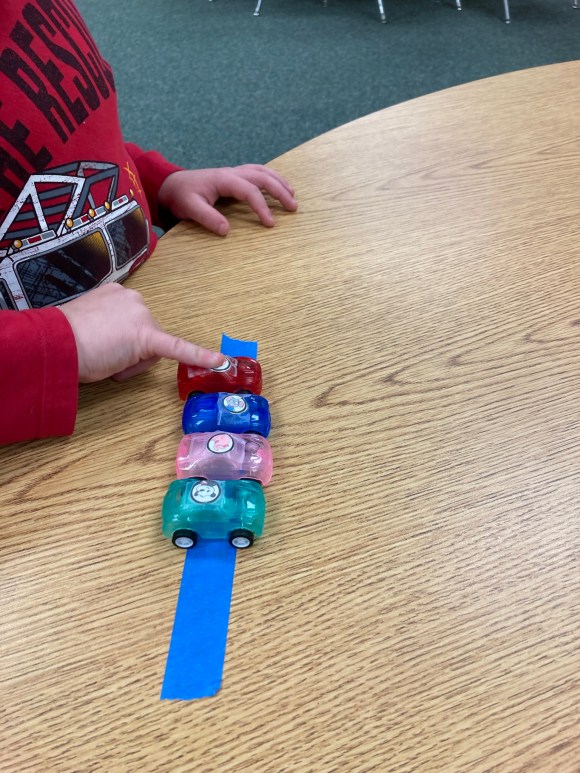
Pull back cars using one finger at a time
Finger Drum
Stringing Beads
Squeezing Play Dough
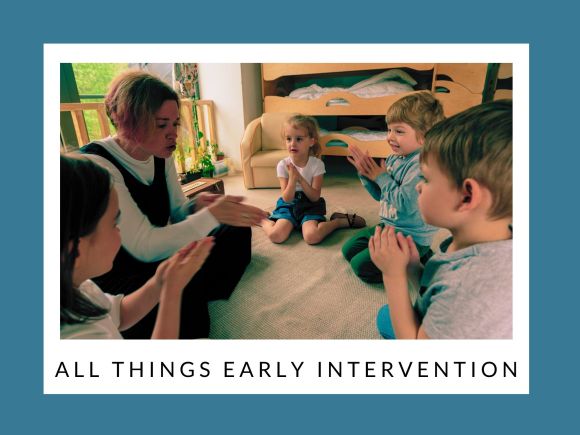
Clapping Games
https://www.theottoolbox.com/hand-clapping-games
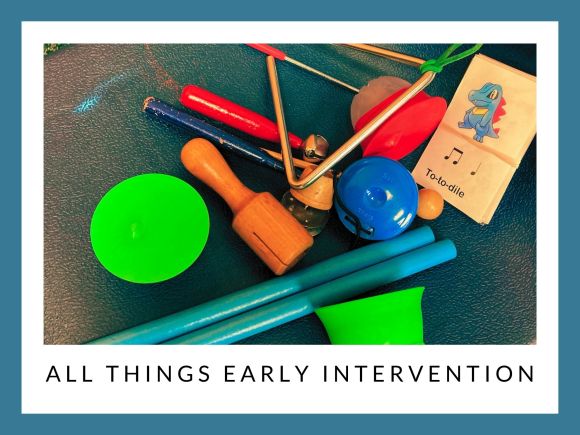
Percussion Instruments
Conclusion
Integrating both fine and gross motor activities into piano teaching can significantly benefit students. Their full piano-playing potential will be unlocked by laying a strong foundation in motor skills.
Some Related Products on Amazon
As an Amazon Associate, I earn on qualifying purchases.

Keyboard, 88 keys, semiweighted, with pedal.



Color Coded Bells
 All Things Early Intervention