When you mention that you are a parent to another parent, it elevates your street credit. You are “in the mom club” together and it can be tempting to share personal stories.

 All Things Early Intervention
Christine Bellew loves teaching children, playing music and having fun. Her goal is to use playful teaching strategies to make doing hard things as fun as possible for parents and children of all abilities.
Christine and her husband Josh have three children that have provided loads of adventures. Their family has opened their home to serve as foster parents to children with special needs which adds to the adventure.
With a Master’s degree in Early Intervention, Christine started her career providing Early Intervention services as a Special Instructor and Service Coordinator.
Most recently Christine has branched out to teaching piano using creative teaching methods to serve children with a variety of learning needs. Music brings her and her students joy when she makes the learning fun and engaging.
Outside of work Christine enjoys watching Parks and Rec, doing puzzles and reorganizing her piano music.
When you mention that you are a parent to another parent, it elevates your street credit. You are “in the mom club” together and it can be tempting to share personal stories.

Finding Wi-Fi in a rural area is hard, but it makes downtime more efficient. If you learn where you can go for Wi-Fi and to charge your cell phone if needed, and maybe a potty break and snack. You’re set.
Being a contract worker in early intervention has its advantages – flexibility, freedom, and the joy of making a difference. But it also requires financial responsibility and careful planning. By weighing the pros and cons, and implementing some smart saving strategies, we can ensure that our journeys as contract superheroes are filled with happy endings, not financial headaches.

This experience serves as a valuable lesson for anyone navigating rural addresses. Here are some strategies to ensure you arrive on time and avoid any “cornfield confusion”:
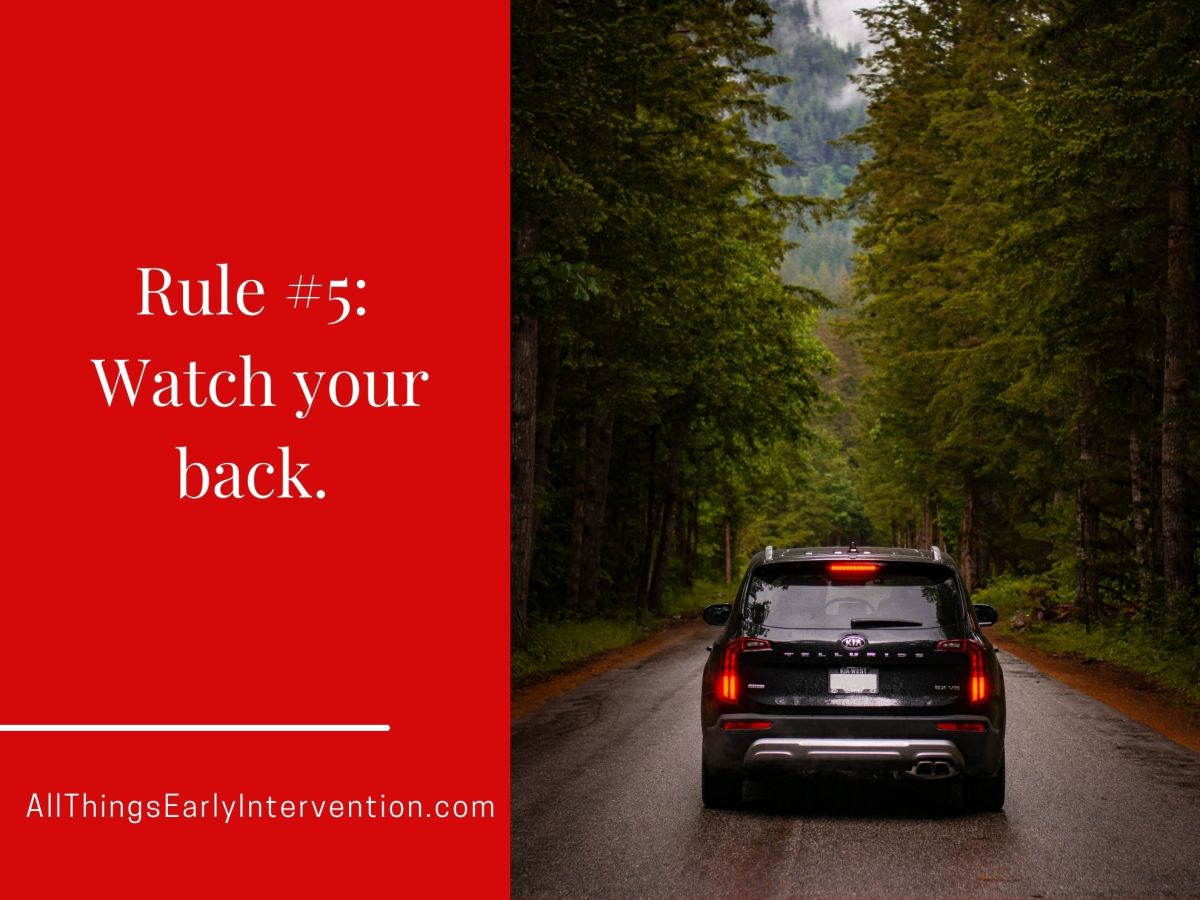
This van comes with a backup camera, which is new to me, and let me tell you… a whole new world. Ever since I got a rear camera, backing up out of crowded driveways is so much easier. I can clearly see how close I am to random trees or other cars parked nearby as I weave my way down the curvy country gravel driveway or crowded apartment complex lot.
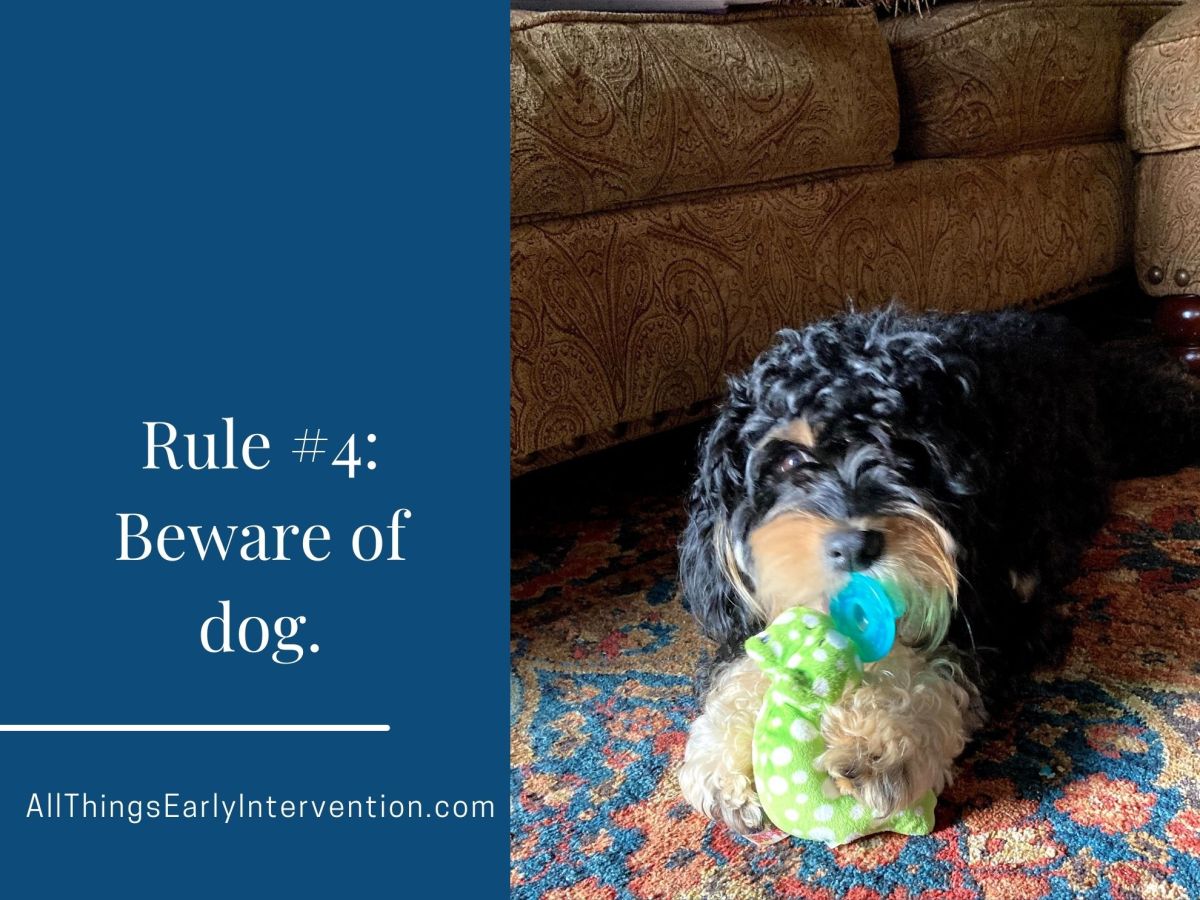
The most important thing is to remember that we, as home visitors, are strangers invading that dog’s space. His instinct, no matter his breed, is to protect his people. It is up to us to use caution.
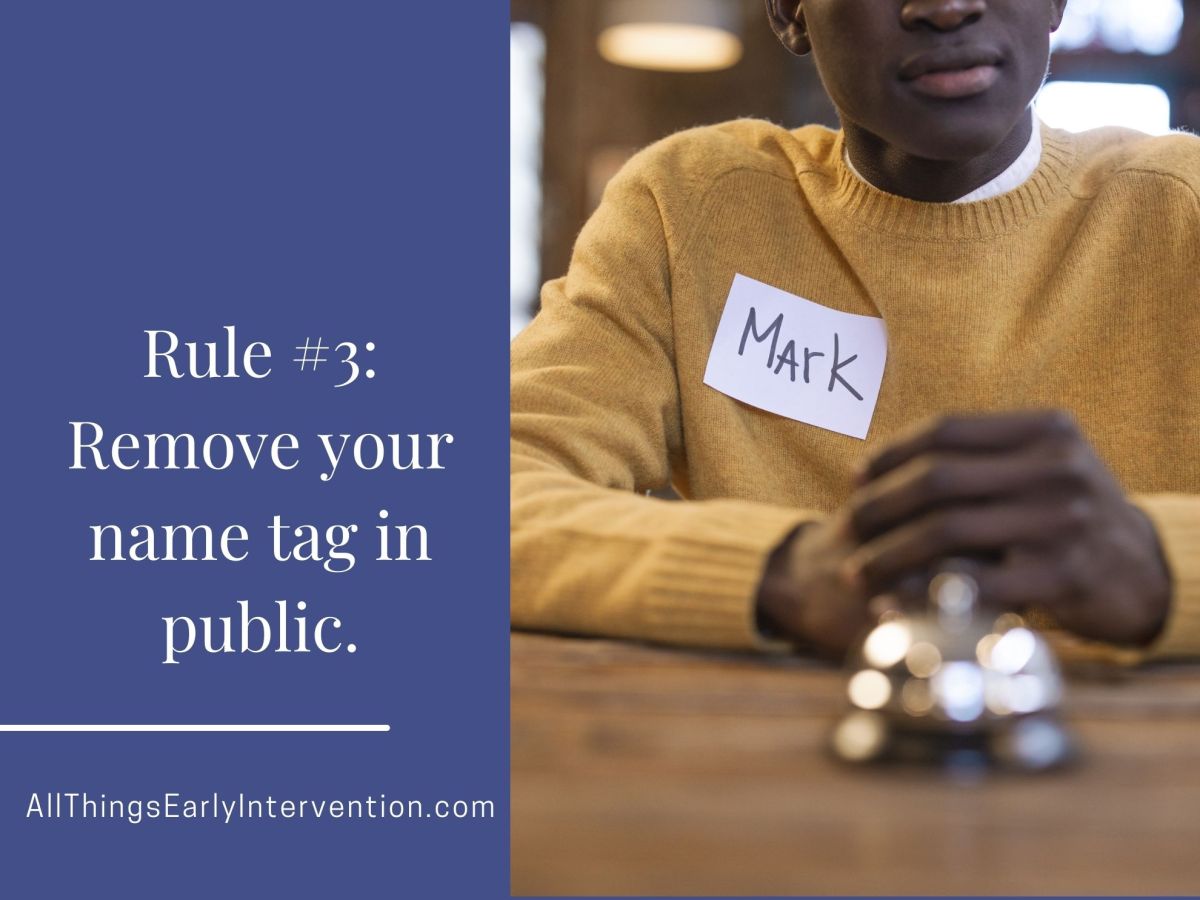
Our name tags are a double-edged sword. They create an avenue for connection, but can also lead to unexpected consultations. Let’s talk about some best practices on and off duty.
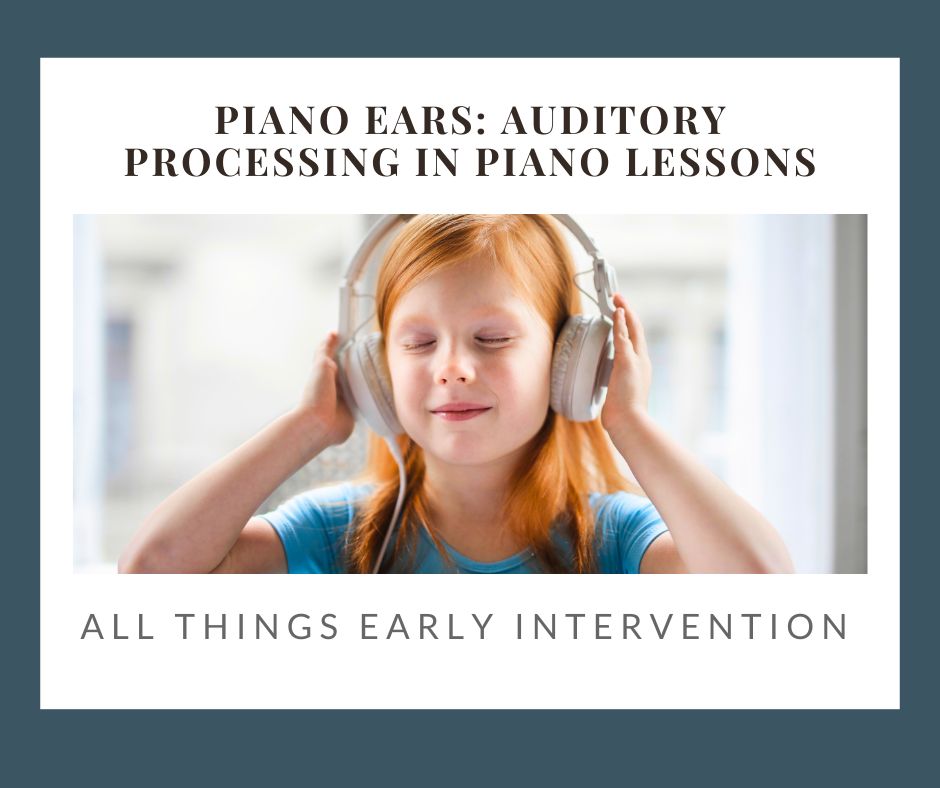
Students learning how to play piano are learning to audiate. They are listening with a new set of rules. When we teach students how to develop a musical ear, we can use knowledge of auditory processing to maximize our success.
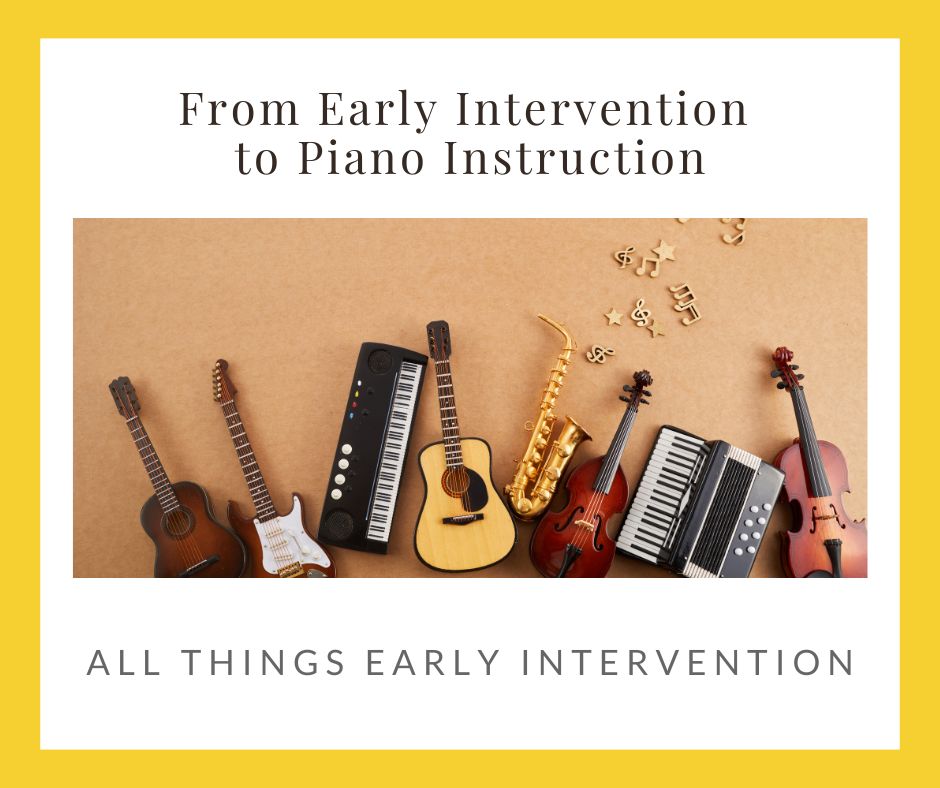
Through this Early Intervention to Piano Teacher transition, I have realized that the fundamental learning process of humans learning new skills is the same: language, walking, holding crayons, or playing piano.

Remember: This isn’t about relinquishing control but fostering collaboration. Incorporating student choice creates a more engaging and empowering learning environment. After all, the ultimate goal is for our students to develop a lifelong love of music.
Have a WordPress.com account? Log in now.

